



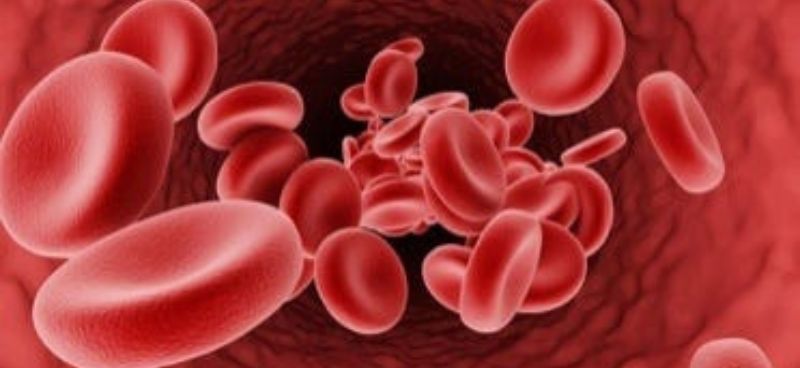
Thalassemia is an inherited blood disorder that affects the body’s ability to produce healthy hemoglobin and red blood cells. While there are several different types, all forms of thalassemia share the common characteristic of abnormal hemoglobin production. In this blog, we’ll explore the various types of thalassemia, their underlying causes, and the symptoms associated with this condition.
Types of Thalassemia
Thalassemia is classified into two main categories: alpha thalassemia and beta thalassemia. Each category is further divided into sub-types based on the specific genetic mutations involved.
Alpha Thalassemia
Alpha thalassemia is caused by mutations in the genes that control the production of alpha globin, one of the essential components of hemoglobin. The severity of alpha thalassemia depends on the number of defective alpha globin genes inherited. The types include:
Alpha Thalassemia Trait: This is the mildest form, resulting from the inheritance of one defective gene.
Hemoglobin H Disease: Caused by the inheritance of two defective genes, this form can lead to mild to moderate anemia.
Hydrops Fetalis or Hemoglobin Barts: The most severe form, resulting from the inheritance of three or four defective genes, which is usually fatal to the foetus or new-born.
Beta Thalassemia
Beta thalassemia is caused by mutations in the genes responsible for the production of beta globin, another component of hemoglobin. The types of beta thalassemia include:
Thalassemia Minor (Trait): The mildest form, resulting from the inheritance of one defective beta globin gene.
Thalassemia Intermedia: A moderately severe form, caused by the inheritance of two mildly defective genes or a combination of mutations.
Thalassemia Major (Cooley’s Anemia): The most severe form, caused by the inheritance of two severely defective beta globin genes, leading to life-threatening anemia.
Causes of Thalassemia
Thalassemia is an inherited disorder, meaning it is passed down from parents to children through defective genes. Both alpha and beta thalassemia are autosomal recessive disorders, which means an individual must inherit a defective gene from both parents to develop the condition.
The specific genetic mutations responsible for thalassemia vary depending on the type and severity. These mutations can be traced back to certain geographic regions and ethnic backgrounds, with a higher prevalence observed in Mediterranean countries, the Middle East, South Asia, and Southeast
Asia.
Symptoms of Thalassemia
The symptoms of thalassemia can vary widely depending on the type and severity of the condition.
In general, individuals with thalassemia may experience the following symptoms:
Anemia: The primary symptom of thalassemia is anemia, which can range from mild to severe, depending on the type. Anemia can cause fatigue, paleness, weakness, and shortness of breath.
Growth and Development Issues: Children with severe forms of thalassemia may experience delays in growth and development due to the chronic anemia and associated complications.
Bone Deformities: Severe cases of thalassemia can lead to bone deformities, such as an enlarged skull, protruding cheekbones, and a prominent forehead, due to the expansion of the bone marrow.
Jaundice: The breakdown of excess red blood cells can cause jaundice, a yellowing of the skin and whites of the eyes.
Enlarged Spleen and Liver: The overproduction of red blood cells can lead to an enlarged spleen (splenomegaly) and liver (hepatomegaly).
Increased Susceptibility to Infections: Individuals with thalassemia may have a weakened immune system, making them more susceptible to infections.
Important Insights
While thalassemia is a lifelong condition, early diagnosis and proper management can significantly improve the quality of life for affected individuals. Regular blood transfusions and iron chelation therapy are essential for managing severe forms of thalassemia, such as thalassemia major.
Prenatal screening and genetic counselling are crucial for identifying couples at risk and providing them with the necessary information to make informed decisions about family planning.
Research is ongoing to develop more effective treatments and potential cures for thalassemia, including gene therapy and stem cell transplantation. Additionally, efforts are being made to raise awareness and improve access to care, particularly in regions with a high prevalence of the disorder.
By understanding the types, causes, and symptoms of thalassemia, individuals and families can better navigate the challenges of this condition and access the appropriate resources and support services.