




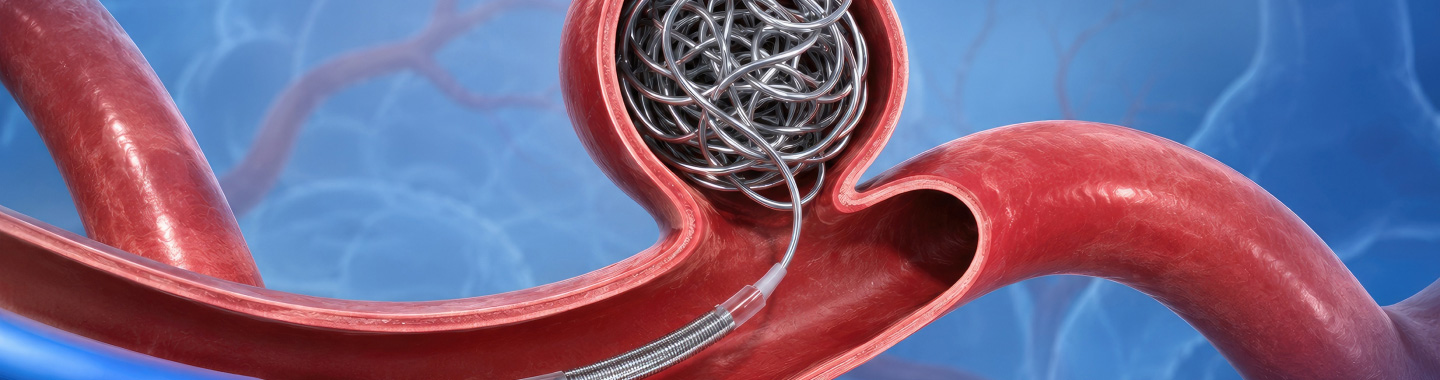
Embolisation therapy is a minimally invasive interventional oncology procedure that blocks or reduces the blood supply to a tumour. An interventional oncologist guides a thin catheter through the blood vessels to the artery feeding the tumour and injects specially selected particles or other embolic material.
Reducing the tumour’s blood supply deprives it of oxygen and nutrients, which can damage cancer cells and slow tumour growth. When embolisation is performed without a cancer medicine, it is called transarterial embolisation (TAE) or bland embolisation. When chemotherapy is delivered into the tumour-feeding artery before the blood vessel is blocked, it is called transarterial chemoembolisation (TACE).
Embolisation is most commonly used to treat tumours in the liver, although it may also be used for selected tumours in other organs or to control cancer-related bleeding. Radioembolisation, which delivers radioactive microspheres, is a different treatment and is covered separately.
- Hepatocellular carcinoma, the most common form of primary liver cancer
- Selected intrahepatic cholangiocarcinomas
- Neuroendocrine tumours that have spread to the liver
- Selected liver metastases from colorectal cancer, melanoma, sarcoma or other cancers
- Liver-dominant cancer, where most of the active disease is within the liver
- Tumours that cannot be treated safely with surgery or ablation
- Patients who are not suitable for surgery because of other medical conditions or reduced organ function
- Patients requiring treatment to reduce or stabilise a liver tumour before surgery or transplantation
- Selected patients being considered for downstaging to another treatment
- Hypervascular kidney, bone or soft-tissue tumours in selected circumstances
- Tumours causing significant bleeding that may be controlled by blocking the responsible blood vessel
- Selected tumours being treated with embolisation before surgery to reduce blood flow and potential operative bleeding
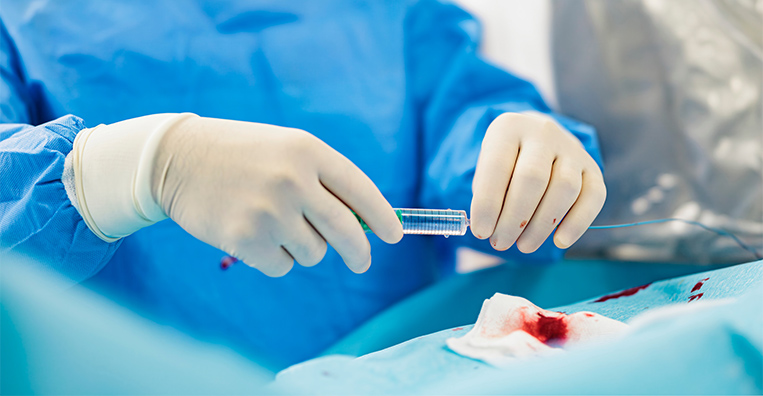
How Embolisation Therapy Is Performed
Before Treatment
The interventional oncologist or interventional radiologist reviews the diagnosis, biopsy findings, imaging, previous treatments and medical history.
CT, MRI, PET-CT or other imaging is used to assess the tumour, blood-vessel anatomy and extent of disease.
Blood tests are performed to assess blood counts, blood clotting, kidney function and liver function.
The treating team evaluates whether the remaining healthy liver or other treated organ can tolerate the procedure.
Blood-thinning medicines and certain other medications may need to be temporarily adjusted under medical guidance.
The patient is asked about allergies, particularly previous reactions to contrast material.
The patient is usually instructed to avoid eating or drinking for a specified period before the procedure.
Antibiotics, anti-nausea medicines or other preventive medicines may be prescribed.
The type of embolisation is selected according to the cancer, tumour blood supply and treatment goal.
If TACE is planned, the chemotherapy medicine and embolic material are selected as part of the individual treatment plan.

During Treatment
The patient lies on an angiography table, and their heart rate, blood pressure and oxygen levels are monitored.
Local anesthesia and sedation are commonly used, although the anesthesia plan depends on the patient and procedure.
A small puncture is made, usually in an artery at the groin or wrist.
A thin catheter is introduced into the artery and guided towards the tumour-feeding blood vessels using X-ray imaging.
Contrast material is injected to map the arteries and confirm the tumour’s blood supply.
A smaller catheter may be advanced closer to the tumour to make treatment more selective.
During TAE, particles or other embolic material are delivered to block the tumour-feeding arteries.
During TACE, chemotherapy is delivered into the tumour-feeding artery along with or before the embolic material.
Additional imaging is performed to confirm that blood flow to the intended target has been adequately reduced.
The catheter is removed, and pressure or a closure device is used at the puncture site.
The procedure commonly takes approximately one to three hours, depending on the blood-vessel anatomy and number of areas treated.

After Treatment
The patient is monitored in a recovery area or hospital room.
If the catheter was inserted through the groin, the patient may need to keep the leg straight for several hours.
Pain relief, fluids, anti-nausea medicines and other supportive treatment are provided as needed.
Some patients may go home the same day, but an overnight stay or longer observation is often required.
Pain, fever, tiredness, nausea or reduced appetite may occur for several days as part of post-embolisation syndrome.
The patient receives instructions about medicines, hydration, activity and care of the catheter-entry site.
Strenuous activity and heavy lifting may need to be avoided for a short period.
Blood tests may be repeated to monitor liver, kidney and blood-cell function.
Follow-up CT, MRI or other imaging is arranged to assess the treated tumour.
Embolisation may be repeated or combined with another treatment depending on the response and remaining disease.

Potential Benefits of Embolisation Therapy
- Minimally invasive treatment through a small arterial puncture
- Delivery of treatment directly to the blood vessels supplying the tumour
- Reduction or interruption of the tumour’s blood supply
- Local delivery of chemotherapy during TACE
- Less exposure of the rest of the body to chemotherapy than with systemic administration
- Treatment of more than one tumour supplied by the targeted artery
- Preservation of more healthy liver tissue through selective catheter placement
- An option for selected patients who cannot undergo surgery or ablation
- The potential to reduce or stabilise a tumour before surgery or transplantation
- The possibility of downstaging selected tumours to make another treatment feasible
- Relief of symptoms caused by certain liver tumours
- Control of bleeding caused by selected tumours
- The possibility of repeating treatment when clinically appropriate
- Combination with ablation, surgery, systemic therapy or radiation therapy as part of a multidisciplinary plan
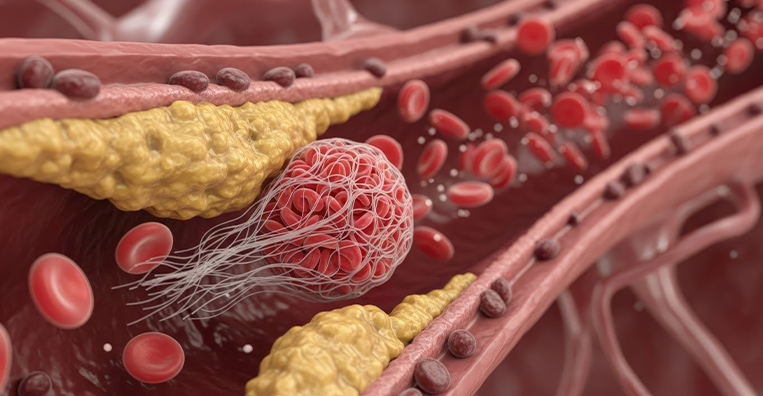

Side Effects of Embolisation Therapy
- Pain or discomfort in the treated area
- Fever, tiredness, nausea, vomiting or reduced appetite following the procedure
- Bruising, bleeding or swelling at the catheter-entry site
- Infection at the puncture site or within the treated organ
- Temporary changes in liver function
- Temporary changes in kidney function, particularly after contrast administration
- Allergic reaction to contrast material
- Reduced blood counts or other chemotherapy-related effects following TACE
- Damage to the artery, including spasm, clotting or dissection
- Embolic material entering a blood vessel outside the intended treatment area
- Injury to nearby healthy tissue or organs
- Liver abscess, bile-duct injury or gallbladder inflammation following hepatic embolisation
- Liver failure, particularly in patients with limited liver reserve
- Rare injury to the stomach, bowel, pancreas or other nearby structures
- Rare blood clots, stroke or serious reactions related to sedation or anesthesia