





Overview
Intraoperative consultation is a pathology service provided while an operation is in progress. It gives the surgical team timely information that may help guide decisions during the procedure.
Depending on the specimen and clinical question, the pathologist may perform a gross examination, frozen-section examination, touch imprint or smear preparation. The consultation answers a focused question and does not replace the more detailed examination of permanent tissue sections after surgery.
Samples and Methods
Tumour Samples
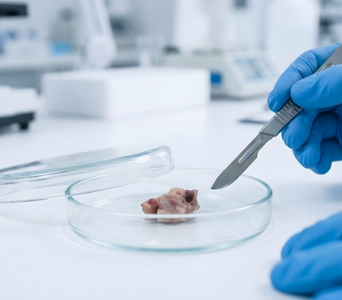
A portion of a suspected tumour may be sent to determine whether the sampled tissue is benign, malignant or representative of the abnormality being investigated.
Surgical Margins
Selected tissue from the edge of a surgical resection may be examined to determine whether tumour is present at the sampled margin.
Lymph Nodes
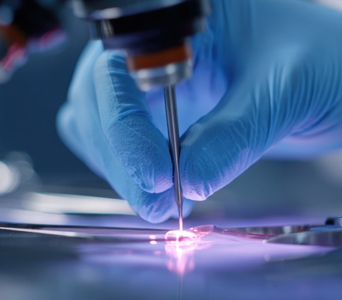
A lymph node may be assessed during surgery in selected situations when the result could influence the operative approach.
Frozen Section
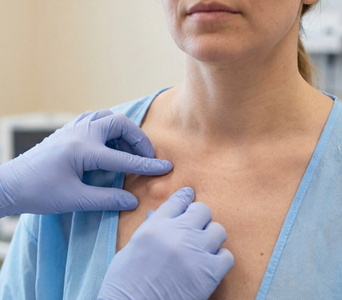
Fresh tissue is rapidly frozen, cut into thin sections, stained and examined under a microscope to provide a preliminary interpretation.
Touch Imprints
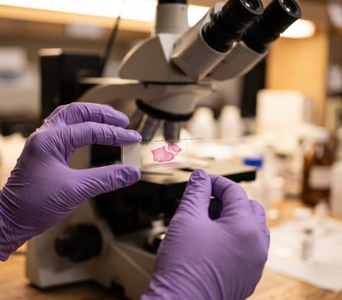
The cut surface of fresh tissue is touched onto a glass slide, transferring cells that can be rapidly stained and examined.
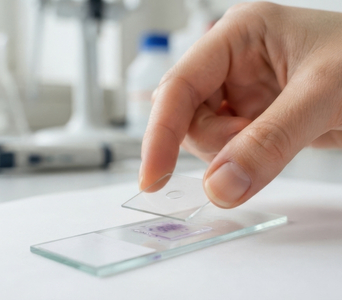
Gross Examination
The pathologist may inspect the specimen without microscopic preparation and advise on its nature, orientation, margins or suitability for further testing.
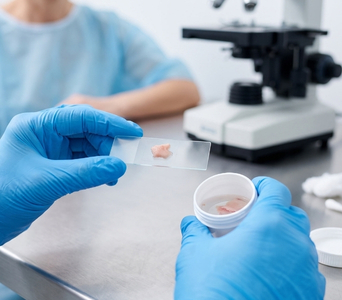
Tissue Triage
Fresh tissue may be allocated for flow cytometry, cytogenetics, molecular studies, microbiology or other specialised investigations when clinically indicated.
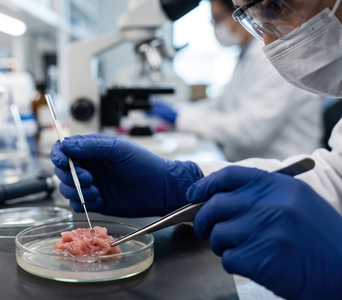
How It Is Performed
- Clinical Discussion: The surgeon communicates the operative findings and the specific question that needs to be addressed during the procedure.
- Specimen Transfer: Fresh tissue is promptly transferred to the pathology laboratory with accurate identification, orientation and information about the site sampled.
- Rapid Assessment: The pathologist examines the specimen and selects the most appropriate method, which may include gross examination, frozen section, touch imprint or smear preparation.
- Result Communication: The preliminary interpretation is communicated directly to the surgical team and documented. If a reliable answer cannot be provided, the diagnosis may be deferred until permanent sections are available.
- Final Examination: The remaining tissue is fixed, processed and examined using permanent sections, which generally provide greater microscopic detail. The final pathology report may confirm or refine the intraoperative interpretation.
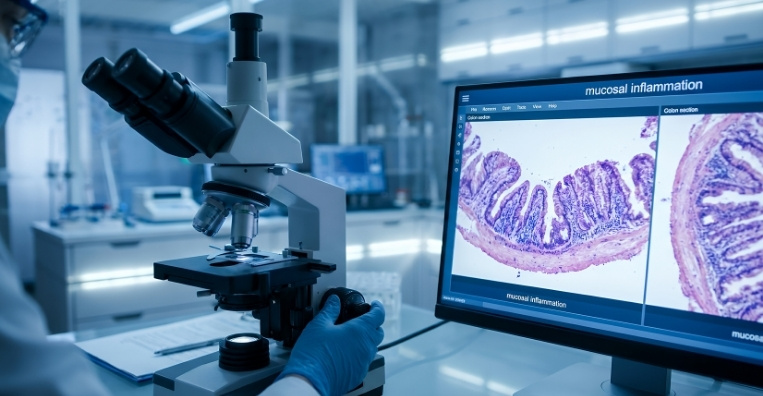

Advantages
- Provides timely information that may guide decisions during surgery.
- Helps confirm that the intended lesion or representative tissue has been sampled.
- Can identify tumour at selected surgical margins when appropriate.
- May help guide the extent or next stage of an operation.
- Determines whether the specimen appears sufficient for diagnosis.
- Allows fresh tissue to be directed for specialised testing when required.
Frequently Asked Questions
01
Is intraoperative consultation performed during every cancer surgery?


No. It is used when an immediate pathology answer is likely to influence the operation or help ensure that the specimen is managed appropriately.
02
Is a frozen section the same as the final pathology report?
No. A frozen section provides a focused preliminary assessment. The final diagnosis is based on more thoroughly processed permanent sections and any additional tests required.
03
Can every tissue be examined by frozen section?
No. Some tissues, specimens and diagnostic questions are unsuitable for reliable frozen-section examination. The pathologist may recommend that the diagnosis be deferred.
04
How long does an intraoperative consultation take?
A straightforward assessment may be completed within minutes, but the time varies according to the specimen’s size, the number of samples and the complexity of the findings.
05
Can the preliminary and final diagnoses differ?
Occasionally. Permanent sections provide greater microscopic detail and allow more extensive sampling and additional testing. Any clinically important difference is communicated to the treating team.
06
Does a negative margin result guarantee that no cancer remains?
It means that cancer was not identified in the specific margin tissue examined. The result must be interpreted according to how the specimen was sampled and oriented, as well as the cancer type and surgical procedure.


Book an Appointment