




Understanding Colorectal Cancer
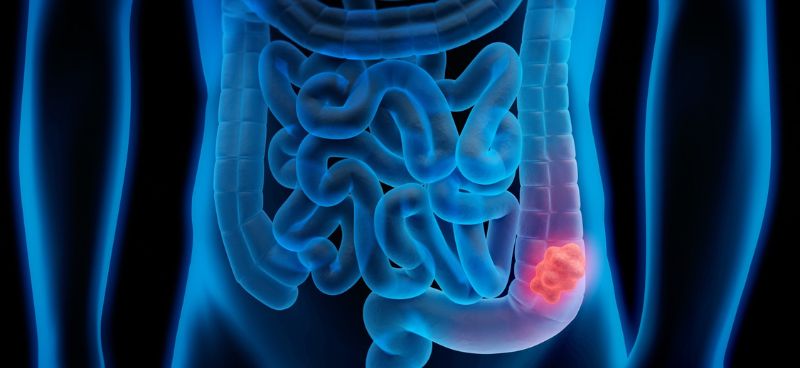
Colorectal cancer develops in the colon or rectum, part of the digestive system. It typically starts as benign polyps, which can turn cancerous over time. Early detection makes it highly treatable, but if ignored, the cancer can spread to other organs, making treatment more difficult.
Colorectal Cancer Symptoms
In its early stages, colorectal cancer may not cause noticeable symptoms. However, as the disease progresses, look out for the following signs:
Changes in Bowel Habits: Persistent diarrhea, constipation, or changes in stool consistency lasting more than a few weeks.
Blood in the Stool: Bright red or dark-colored blood may indicate internal bleeding.
Unexplained Anemia Among Elderly People: Sudden weight loss without changes in diet or exercise.
Abdominal Discomfort: Frequent cramping, bloating, gas, or pain in the lower abdomen.
Fatigue and Weakness: Feeling constantly tired or weak, often due to anemia from internal bleeding.
Incomplete Bowel Movements: A feeling that the bowel hasn’t emptied completely.
If these symptoms persist, consult a healthcare professional for evaluation.
Causes and Risk Factors
Several factors increase the risk of colorectal cancer:
Age and Family History: Those over 50 are more likely to develop colorectal cancer, especially if there’s a family history.
Diet and Lifestyle: Diets high in processed meats and low in fiber, as well as smoking, excessive alcohol, and inactivity, contribute to the risk.
Obesity and Physical Inactivity: Being overweight or sedentary increases the risk of many cancers, including colorectal cancer.
Chronic Conditions: Inflammatory bowel diseases like Crohn’s and ulcerative colitis increase the risk.
Genetic Factors: Inherited genetic mutations, such as Lynch syndrome or familial adenomatous polyposis (FAP), can increase the risk.
Treatment Options
Treatment varies depending on cancer stage and overall health:
Surgery: Often the first treatment, involving the removal of cancerous polyps or sections of the colon/rectum. In advanced cases, a colostomy may be needed.
Chemotherapy: Done after surgery to avoid recurrence of cancer cells or in advanced stages to slow progression.
Radiotherapy: To reduce the size of the disease in the rectum and make it amenable for surgery and to avoid recurrence.
Targeted Therapy: Targets specific molecules in cancer cells to block their growth, often in advanced cases.
Immunotherapy: Boosts the immune system to fight cancer, mainly used for patients with specific genetic markers.
Early Screening and Prevention
Regular screenings are crucial for early detection:
Colonoscopy: Examines the colon for polyps or cancer.
Fecal Occult Blood Test (FOBT): Detects hidden blood in the stool.
CT Colonography: Provides a detailed image of the colon.
To reduce your risk, consider the following:
Eat a High-Fiber Diet: Incorporate fruits, vegetables, and whole grains.
Exercise Regularly: Aim for 30 minutes of activity most days.
Avoid Smoking and Excessive Alcohol: Both increase the risk of colorectal cancer.
Maintain a Healthy Weight: Obesity is a risk factor, so maintaining a healthy BMI is beneficial.
Get Regular Screenings: Early detection through screenings can save lives.
Conclusion
Colorectal cancer is preventable with early detection. Recognizing the warning signs, understanding the risk factors, and prioritizing screenings can improve treatment outcomes and save lives. If you notice persistent symptoms, consult a doctor immediately—early detection is key to successful treatment and a better prognosis.

Dr. Ayappan S
Senior Consultant-Surgical Oncology