





Overview
Molecular diagnostics examines DNA, RNA and other molecular features in tumour tissue, blood, bone marrow or body-fluid samples. In cancer care, molecular testing can help confirm or refine a diagnosis, classify certain tumours, assess prognosis, identify biomarkers relevant to treatment and monitor selected cancers.
The appropriate test depends on the cancer type, clinical question and sample available. Molecular results are interpreted alongside histopathology, immunohistochemistry, imaging and the patient’s clinical circumstances.
Samples and Methods
Tissue Samples
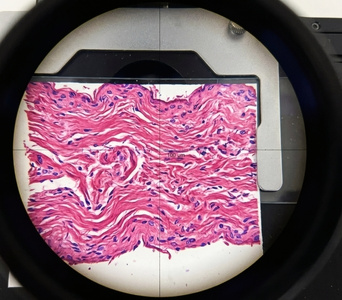
DNA or RNA may be extracted from tissue obtained through biopsy or surgery. A pathologist usually assesses whether the sample contains enough viable tumour for testing.
Blood Samples
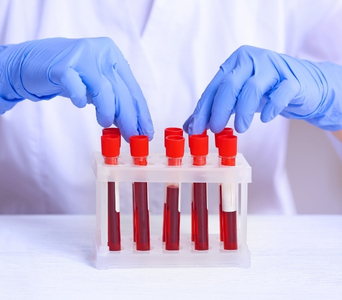
Blood may be used to investigate hematological malignancies, inherited cancer susceptibility or circulating tumour-derived material, depending on the test requested.
Bone Marrow
Bone marrow samples may be analysed for mutations, rearrangements and other abnormalities associated with selected hematological cancers.

PCR Testing
Polymerase chain reaction methods detect or measure specific DNA or RNA sequences. They are useful when the molecular alteration being investigated is already defined.
FISH Testing
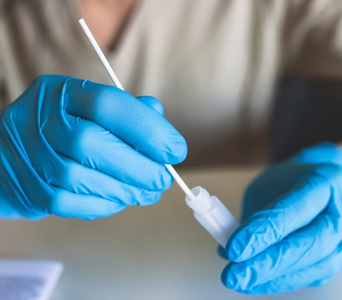
Fluorescence in-situ hybridisation uses fluorescent probes to detect selected gene rearrangements, amplifications, deletions or chromosomal-number changes in cells or tissue.

Fragment Analysis
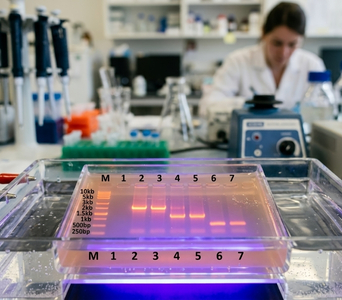
Fragment analysis evaluates the size of amplified DNA fragments and may be used to detect selected insertions, deletions, repeat-length changes or clonality patterns.
Next-Generation Sequencing
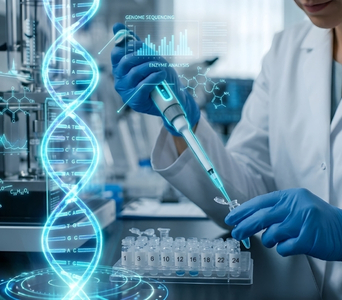
Next-generation sequencing, or NGS, examines multiple genes or genomic regions in parallel. Depending on the test, it may detect sequence variants, insertions, deletions, copy-number changes or gene fusions.
Liquid Biopsy
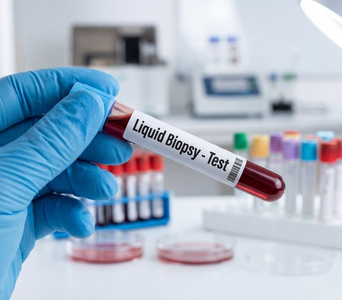
Selected tests analyse circulating tumour-derived material in blood or another body fluid. Liquid biopsy may provide useful information in defined settings but does not replace tissue biopsy in every case.
How It Is Performed
- Test Selection: The treating doctor and pathologist select the test according to the cancer type, disease stage, previous findings and clinical question.
- Sample Assessment: The laboratory evaluates the sample’s quality and whether it contains enough suitable cells or genetic material. A pathologist may select and mark the tumour-rich area for testing.
- Material Extraction: DNA or RNA is extracted from the selected sample and checked for quality and quantity.
- Molecular Analysis: The extracted material is analysed using PCR, FISH, fragment analysis, NGS or another validated method. Each technique detects a defined range of alterations.
- Result Interpretation: Detected alterations are assessed for their potential relevance to diagnosis, prognosis, treatment or clinical-trial consideration. Test limitations and uncertain findings may also be reported.

Advantages
- Helps confirm or refine the classification of selected cancers.
- Identifies biomarkers that may inform targeted therapy or clinical-trial options.
- Provides prognostic information for selected cancers.
- May detect small amounts of persistent or recurrent disease.
- NGS can examine multiple genes or genomic regions in a single test.
- Complements histopathology and immunohistochemistry to provide a more complete tumour profile.
Frequently Asked Questions
01
Is molecular testing required for every cancer?


No. Its usefulness depends on the cancer type, stage and treatment setting. Some cancers have routinely tested biomarkers, while others do not.
02
Does finding a mutation mean that targeted treatment is available?
Not always. Some alterations have an approved treatment only in particular cancers, some are being studied in clinical trials, and others currently have no established targeted therapy.
03
What does “no alteration detected” mean?
It means that the test did not identify a reportable alteration within the genes, regions and alteration types examined. It does not mean that the tumour has no molecular abnormalities.
04
What is a variant of uncertain significance?
It is a genetic change whose clinical meaning is not currently established. It should generally not be used by itself to guide treatment.
05
Is tumour profiling the same as hereditary cancer testing?
No. Tumour profiling primarily examines changes within cancer cells. Hereditary or germline testing assesses whether a person carries an inherited variant that may also be relevant to biological relatives. Some tumour findings may prompt separate germline testing and genetic counselling.
06
Can liquid biopsy replace a tissue biopsy?
Not in every situation. Tissue is often required to establish the diagnosis and examine tumour architecture. Liquid biopsy may provide complementary information in selected clinical settings.


Book an Appointment