




Overview
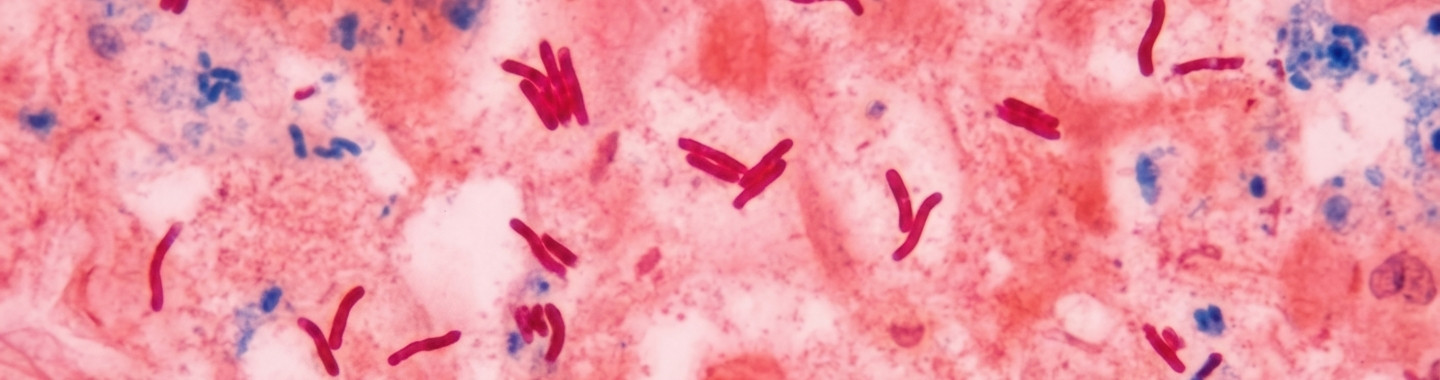
Cytopathology is the examination of individual cells and small groups of cells to identify disease. Samples may be collected through fine-needle aspiration, brushing, washing or the analysis of naturally shed cells and body fluids.
In cancer care, cytopathology can help investigate lumps or abnormalities detected on imaging, identify malignant cells in body fluids and guide the need for further tissue sampling. Because cytology examines cells rather than the complete structure of a tissue, a core or surgical biopsy may still be required in some cases.
Samples and Methods
Needle Aspirates
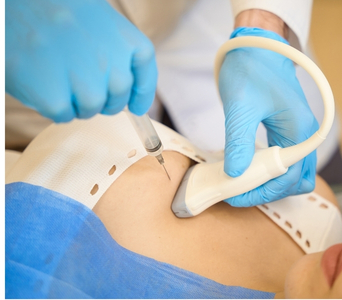
Fine-needle aspiration uses a thin needle to collect cells from a lump, lymph node or internal lesion. Ultrasound, CT or another imaging technique may be used to guide sampling from deeper abnormalities.
Body Fluids
Pleural, peritoneal, pericardial and cerebrospinal fluids may be examined for malignant or other abnormal cells.
Exfoliated Cells
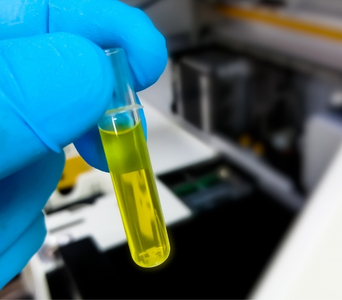
Cells naturally shed into urine, sputum or other samples may be collected and assessed for abnormal changes.
Brushings and Washings
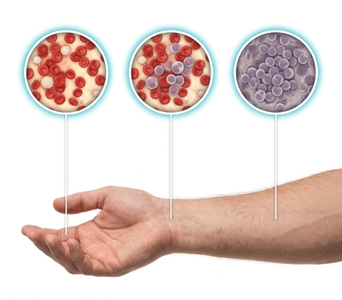
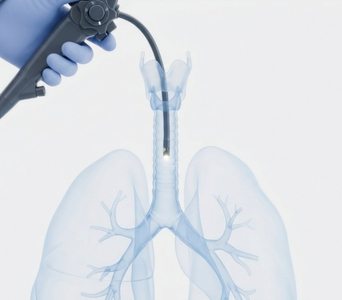
Cells may be collected during bronchoscopy, endoscopy or another procedure by brushing a surface or washing an area with fluid.
Cell Blocks
Cells from an aspirate or fluid may be concentrated and processed into a paraffin block. This may allow additional stains, immunocytochemistry or selected molecular tests to be performed.
How It Is Performed
- Sample Collection: The collection method depends on the body site and the abnormality being investigated. Some samples can be collected directly, while others require a needle or endoscopic procedure.
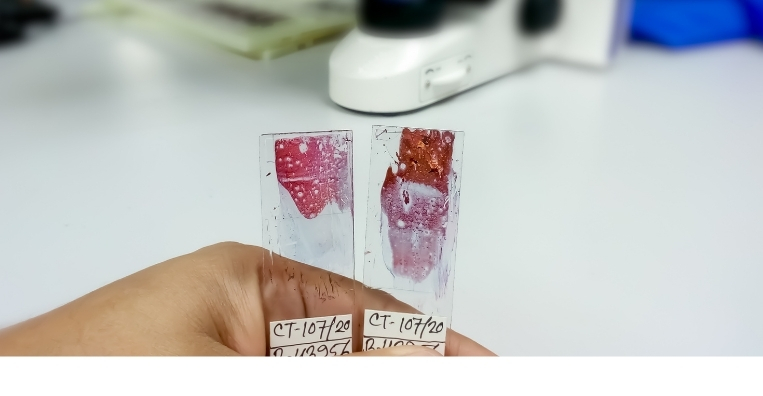
- Slide Preparation: Collected cells are spread or concentrated onto glass slides and preserved using a method suitable for the specimen. Additional material may be prepared as a cell block.
- Cell Staining: The slides are stained to make the cellular structures visible. Different stains may be used depending on the sample and clinical question.
- Microscopic Examination: A cytopathologist examines the number, arrangement and appearance of the cells. The findings are assessed alongside the patient’s clinical and imaging information.
- Result Reporting: The result may be reported as benign, atypical, suspicious, malignant or non-diagnostic. Terminology may differ according to the organ and the recognised reporting system used.
Advantages
- Many samples can be collected using a thin needle or from body fluids, without surgical biopsy.
- Cytology provides timely information about lumps, lymph nodes, fluid collections and imaging abnormalities.
- Cells can be collected from superficial lumps, internal organs, body cavities and mucosal surfaces.
- It can identify malignant cells and indicate whether further investigation or tissue biopsy is needed.
- Suitable samples may support immunocytochemistry, flow cytometry or molecular testing.
- Fine-needle aspiration or fluid collection can often be repeated when required.
Frequently Asked Questions
01
Is cytopathology the same as a biopsy?


Not exactly. Cytopathology primarily examines individual cells or small cell groups, while histopathology examines tissue architecture. Both approaches may be used together.
02
Can cytology definitively diagnose cancer?
Cytology can definitively diagnose many malignancies when characteristic cells and an adequate sample are present. In some cases, a core or surgical biopsy is required for confirmation and detailed classification.
03
What does a non-diagnostic result mean?
It means the sample did not contain enough suitable cells for a reliable interpretation. It does not indicate whether cancer is present or absent, and repeat or alternative sampling may be recommended.
04
Is fine-needle aspiration painful?
Most people experience only brief discomfort or pressure. The experience depends on the site sampled and whether imaging guidance is required.
05
Can molecular testing be performed on a cytology sample?
Selected molecular tests may be possible if enough well-preserved cellular material is available. The laboratory will assess the sample’s suitability.


Book an Appointment