

icon
icon
What is Chemotherapy Treatment?

Chemotherapy is a drug-based treatment that uses anti-cancer medicines to destroy cancer cells or slow their growth. Since different medicines work in different ways, they may be used alone or in combination. Chemotherapy may also be given alongside surgery, radiation therapy, immunotherapy or targeted therapy as part of a multimodal treatment plan.

At Apollo Cancer Centres, experienced medical oncologists develop a personalized chemotherapy plan based on the type and stage of cancer, the patient’s overall health and the goals of treatment. Patients receive coordinated care before, during and after chemotherapy in a comfortable and supportive environment, with a focus on managing side effects and making the treatment experience as manageable as possible.

Chemotherapy
How Chemotherapy Works
Chemotherapy travels through the body to destroy cancer cells or slow their growth by interfering with how they grow and divide. The specific chemotherapy drug (or combination of drugs) and method of administration are selected based on the type and stage of cancer, treatment goals, overall health and previous treatments. Chemotherapy is usually given in cycles, with rest periods that allow the body time to recover between treatments. Chemotherapy can be administered in several ways:
work-icon
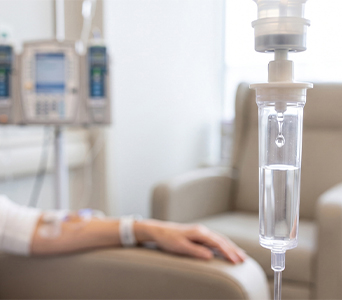
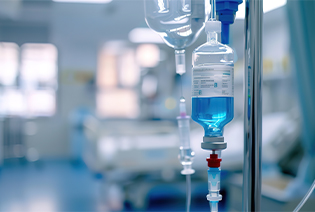
Intravenous (IV) Infusion
Chemotherapy is delivered directly into a vein through an IV line or implanted port.
work-icon
Oral Medication
Chemotherapy is taken by mouth as tablets, capsules or liquid, according to the prescribed schedule.
work-icon
Injection
Chemotherapy is injected under the skin, into a muscle or directly into a vein.
work-icon
Regional Administration
For certain cancers, chemotherapy may be delivered directly into a specific area of the body, such as the abdomen or the fluid surrounding the brain and spinal cord.

Why Chemotherapy Is Required

Treat Cancer

Treat Cancer: Used as the main treatment for cancers that respond well to chemotherapy.

Neoadjuvant Therapy

Neoadjuvant Therapy: Given before surgery/radiation to shrink a tumour.

Adjuvant Therapy

Adjuvant Therapy: Given after surgery/radiation to destroy any remaining cancer cells.

Control Metastatic Disease

Control Metastatic Disease: Used to control the growth of cancer that has spread beyond its original site.

Palliative Treatment

Palliative Treatment: Used to relieve symptoms and improve quality of life in advanced cancer.
Support Other Treatments

Support Other Treatments: Used alongside surgery, radiation, targeted therapy or immunotherapy, as part of a comprehensive treatment plan.

Key Advantages

Systemic Treatment
Travels through the bloodstream to reach cancer cells in different parts of the body, including cells that may have spread beyond the original tumour.
Systemic Treatment
Used Across Many Cancer Types
Chemotherapy includes a wide range of medicines that can be used to treat many different cancers, either alone or with other treatments.
Used Across Many Cancer Types
Can Be Combined with Other Treatments
It can enhance a comprehensive treatment plan that includes surgery, radiation therapy, immunotherapy or targeted therapy.
Can Be Combined with Other Treatments
Multiple Ways to Receive Treatment
Depending on the medicine and cancer type, chemotherapy may be given intravenously, orally, by injection or directly into a specific part of the body.
Multiple Ways to Receive Treatment
Adaptable Treatment Plans
Chemotherapy medicines, doses and schedules can be tailored to the cancer type, treatment response and patient’s overall health.
Adaptable Treatment Plans

Chemotherapy

Side Effects of Chemotherapy

Because chemotherapy affects rapidly dividing cells throughout the body, it can also affect some healthy cells that divide quickly, such as those in the hair follicles, digestive tract, and bone marrow, which is what leads to many of its well-known side effects. Common side effects include:
  • Fatigue
  • Nausea and vomiting
  • Hair loss
  • Increased risk of infection
  • Anemia and easy bruising or bleeding
  • Loss of appetite and changes in taste
  • Mouth sores or digestive changes
  • Numbness or tingling in the hands and feet
  • Changes in memory or concentration

Continuum Of Care

care-card-icon
Monitoring During Treatment Cycles
Regular checks help assess treatment tolerance, blood counts and overall health before each cycle.
care-card-icon
Management of Side Effects
Medicines, nutrition guidance and other supportive measures help prevent or manage treatment-related side effects.
care-card-icon
Assessment of Treatment Response
Clinical examinations, blood tests and imaging may be used to evaluate how the cancer is responding to chemotherapy.
care-card-icon
Post-treatment Surveillance
Scheduled follow-up visits help monitor recovery, detect possible recurrence and address ongoing health concerns.
care-card-icon
Supportive Care
Personalized support helps patients maintain strength, manage nutritional needs and cope with the emotional impact of treatment.

What to Expect at Apollo Cancer Centres

Chemotherapy at Apollo Cancer Centres is delivered by experienced medical oncologists and oncology nursing teams, in comfortable day-care settings designed for both efficiency and patient comfort. Every treatment plan is personalized, factoring in your specific cancer type, stage, overall health and treatment goals, and reviewed regularly to ensure it continues to be the right approach as your treatment progresses. Supportive care, including nutrition counselling, side-effect management, and emotional support, is built into the chemotherapy journey from the very first session.


image image
Book an Appointment
Please Enter Your Name
Please Enter Your Mobile Number
Please Enter OTP