

icon
icon
What is Bone Marrow Transplant?

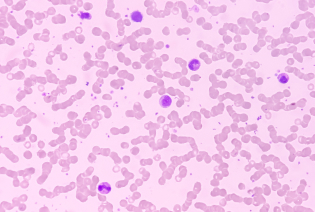
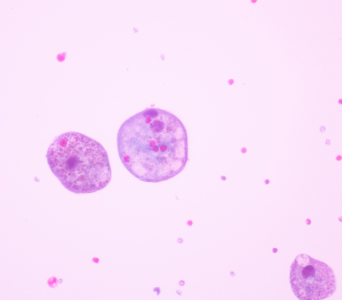
A bone marrow transplant (BMT) is a treatment that replaces damaged or diseased blood-forming stem cells with healthy stem cells collected from bone marrow. These stem cells travel to the patient’s bone marrow, where they begin producing new red blood cells, white blood cells and platelets.

Depending on the condition being treated, the stem cells may come from the patient or from a suitably matched donor. BMT may be considered for certain blood cancers and selected non-cancerous blood or immune-system disorders. Eligibility depends on the diagnosis, disease status, previous treatments, overall health and availability of a suitable donor where required.

Bone Marrow Transplant
How the Treatment Is Performed
Bone marrow transplantation is carried out through several carefully planned stages:
work-icon
Assessment and Treatment Planning
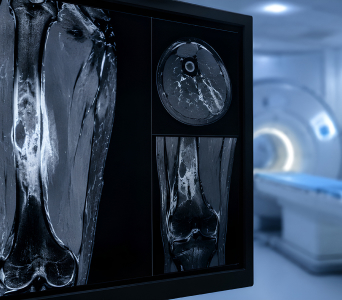
The patient undergoes blood tests, imaging and evaluations of the heart, lungs, liver, kidneys and overall fitness for transplantation. The transplant team also reviews the diagnosis, previous treatments and disease status.
work-icon
Donor Matching or Stem Cell Planning
For an allogeneic transplant, potential donors undergo human leukocyte antigen (HLA) testing to identify a suitable match. In an autologous transplant, the patient’s own stem cells are collected and stored before conditioning treatment.
work-icon
Bone Marrow Collection
Bone marrow is collected from the pelvic bones under anaesthesia using special needles. The collected marrow is processed and prepared for transplantation.
work-icon
Conditioning Treatment
Chemotherapy, sometimes combined with radiation therapy, is administered before the transplant. Conditioning helps control the underlying disease, makes space in the bone marrow and, in donor transplants, suppresses the immune system to help the donated cells engraft.
work-icon
Stem Cell Infusion
The stem cells are given through a vein, much like a blood transfusion. Surgery is not required to place the transplanted cells into the bone marrow.
work-icon
Engraftment and Recovery
The transplanted cells travel to the bone marrow and gradually begin producing new blood cells. During this period, the patient is closely monitored for infection, bleeding, organ-related complications, graft-versus-host disease and other treatment effects.

Clinical Indications

Bone marrow transplantation may be considered for selected patients with:

Leukaemia

Leukaemia

Lymphoma

Lymphoma

Multiple myeloma

Multiple myeloma

Myelodysplastic syndromes
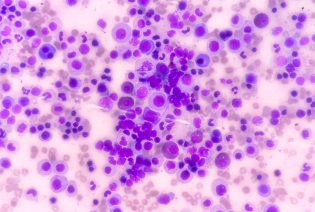
Myelodysplastic syndromes

Myeloproliferative neoplasms
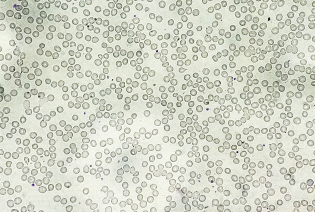
Myeloproliferative neoplasms

Aplastic anaemia

Aplastic anaemia

Certain inherited blood or immune-system disorders

Certain inherited blood or immune-system disorders

The decision depends on the specific disease, its stage and response to treatment, the patient’s health and the expected benefits and risks of transplantation.

Advantages of BMT

The potential advantages of treatment vary depending on the condition, treatment type, disease status and individual response.


Restores Blood Cell Production
Healthy transplanted stem cells can rebuild the bone marrow’s ability to produce blood cells.
Restores Blood Cell Production
Supports Intensive Treatment
Transplantation may allow the use of high-dose chemotherapy for selected cancers.
Supports Intensive Treatment
Donor Immune Effect
In an allogeneic transplant, donor immune cells may help recognise and attack remaining cancer cells.
Donor Immune Effect
Treatment for Complex Blood Disorders
BMT may provide a treatment option for selected patients with serious malignant and non-malignant blood disorders.
Treatment for Complex Blood Disorders
Individualised Transplant Planning
The transplant type, donor selection, conditioning regimen and supportive care are planned according to the patient’s disease and overall health.
Individualised Transplant Planning
Long-Term Disease Control
For appropriately selected patients, BMT may provide prolonged remission or potentially curative treatment. Outcomes vary between individuals.
Long-Term Disease Control

When to Contact Your Care Team
Contact the transplant care team promptly if the patient develops:
  • Fever, chills or other signs of infection
  • New cough, breathing difficulty or chest discomfort
  • Unusual bleeding, bruising or blood in the urine or stools
  • Persistent vomiting or diarrhoea
  • Severe mouth sores or difficulty eating and drinking
  • A new or worsening skin rash
  • Yellowing of the eyes or skin
  • Persistent abdominal pain
  • Pain or redness around the intravenous line
  • Reduced urination or sudden swelling
  • Severe weakness, dizziness or confusion
  • Any symptom identified by the transplant team as requiring urgent review

Do not wait for a scheduled appointment if concerning symptoms develop during recovery.
Bone Marrow Transplant
Frequently Asked Questions
01 Is a bone marrow transplant a surgical procedure?
icon icon
The transplant itself is not surgery. The stem cells are infused into a vein, much like a blood transfusion. However, collecting bone marrow from a donor or the patient involves removing marrow from the pelvic bones under anaesthesia.
02 Where do the transplanted cells come from?
icon icon
The cells may come from the patient or from a suitably matched donor. When the cells are taken specifically from bone marrow, the procedure is referred to as a bone marrow transplant.
03 How is a suitable donor identified?
icon icon
Potential donors undergo human leukocyte antigen, or HLA, testing. A close HLA match helps the transplanted cells engraft and may reduce the risk of complications such as graft rejection and graft-versus-host disease.
04 How long does it take for the new cells to begin working?
icon icon
Engraftment generally occurs over the first few weeks after transplantation, but the timing varies. Blood counts are monitored regularly to check whether the new marrow is producing blood cells.
05 How long does recovery take?
icon icon
Initial recovery may take several weeks, while immune-system recovery can take months or longer. Recovery is often longer after an allogeneic transplant than after an autologous transplant.
06 Can a bone marrow transplant cure cancer?
icon icon
A bone marrow transplant may provide long-term remission or potentially curative treatment for selected conditions. However, outcomes depend on the disease, its stage, previous treatment, transplant type and the patient’s overall health.
image image
Book an Appointment
Please Enter Your Name
Please Enter Your Mobile Number
Please Enter OTP