




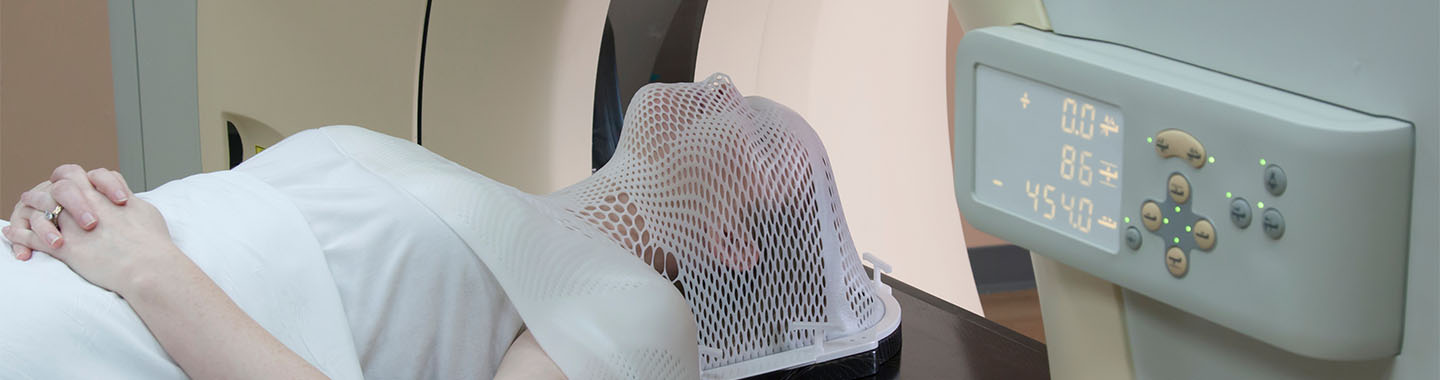
Stereotactic Body Radiation Therapy (SBRT) is an advanced form of external beam radiation therapy used to treat small, well-defined tumours outside the brain. It is also known as Stereotactic Ablative Body Radiation Therapy (SABR).
SBRT delivers a high radiation dose to the tumour with precision, usually over one to five sessions. Radiation is directed towards the target from multiple angles, while detailed imaging and specialised positioning techniques help limit the dose received by nearby healthy tissues.
SBRT may be used as the main treatment for selected early-stage cancers, particularly when surgery is not suitable. It may also be used to treat a limited number of metastatic tumours, recurrent cancers or symptoms caused by cancer. It can form part of a broader treatment plan involving surgery, chemotherapy, immunotherapy or other treatments.
- Selected early-stage lung cancers, particularly when surgery is not suitable
- A limited number of lung metastases
- Selected primary liver cancers
- A limited number of liver metastases
- Selected prostate cancers
- Selected pancreatic cancers
- Selected kidney or adrenal tumours
- Tumours involving the spine or other bones
- A limited number of lymph node metastases
- Oligometastatic cancer, where cancer has spread to only a few sites
- Oligoprogressive cancer, where only a small number of tumours are growing while other disease remains controlled
- Residual or recurrent tumours following surgery or other treatment
- Selected tumours in previously irradiated areas where another course of radiation is considered safe
- Patients who cannot undergo surgery because of the tumour’s location, other medical conditions or overall health
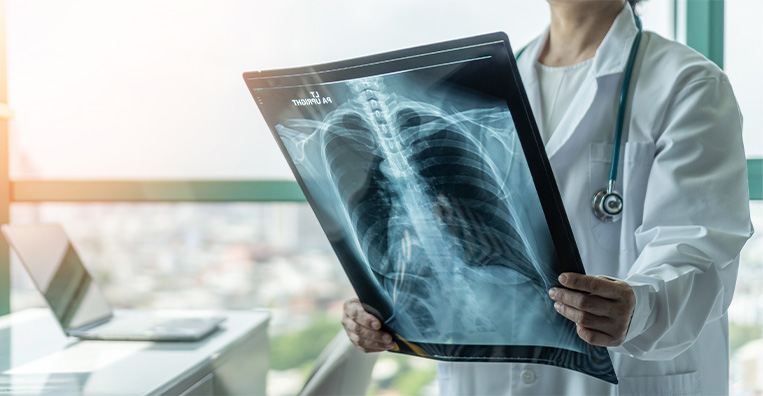
How SBRT Is Performed
Before Treatment
The radiation oncologist reviews the diagnosis, biopsy findings where applicable, imaging, previous treatments and overall health.
The case may be discussed by a multidisciplinary tumour board to determine whether SBRT is the most appropriate treatment.
A planning or simulation CT scan is performed with the patient in the treatment position.
A four-dimensional CT scan may be used to assess how the tumour moves with breathing.
MRI, PET-CT or other imaging may be combined with the planning scan to define the tumour and nearby organs.
A customised body mould, cushion or other immobilisation device may be prepared to help maintain the same position during every session.
Breath-holding, abdominal compression, respiratory gating or other motion-management techniques may be planned for tumours that move with breathing.
Small markers called fiducials may be placed in or near certain tumours to help track their position. These are not required for every patient.
The radiation oncologist, medical physicist and treatment-planning team calculate the beam directions and dose while setting limits for nearby organs.
The completed treatment plan undergoes detailed quality and safety checks.

During Treatment
The patient is positioned on the treatment table using the customised supports.
Imaging is performed before and, where required, during treatment to confirm the target’s position.
The treatment machine moves around the patient and directs radiation towards the tumour from multiple planned angles.
The patient may be asked to hold their breath or follow breathing instructions during parts of the treatment.
The machine may adjust treatment delivery or pause the radiation if the target moves outside the planned position.
The machine does not touch the patient, and the radiation cannot be seen or felt.
The patient must remain still but can communicate with the treatment team throughout the session.
Most adults do not require anesthesia, although sedation may be considered if a patient cannot remain still.
Each session may take approximately 30 to 60 minutes or longer, depending on the tumour’s location and the complexity of treatment.
SBRT is usually completed in one to five sessions, although some tumours may require a different schedule for safety.

After Treatment
Most patients can return home after each treatment session.
Normal activities can often be resumed within a short period, depending on the treatment area and how the patient feels.
The patient is not radioactive and does not need to avoid contact with other people.
Side effects may develop during treatment or in the days and weeks that follow.
Medicines may be prescribed to manage pain, inflammation, nausea or other symptoms.
Follow-up appointments are scheduled to monitor recovery and treatment-related effects.
CT, MRI, PET-CT or blood tests may be used to assess the response, depending on the tumour treated.
The effects of SBRT continue after the final session, and the tumour may shrink or remain stable over several months.

Potential Benefits of SBRT
- Precise delivery of a high radiation dose to a defined tumour
- Reduced radiation exposure to surrounding healthy tissues
- Treatment completed in fewer sessions than conventional radiation therapy
- Non-invasive treatment without a surgical incision
- Outpatient treatment for most patients
- Limited interruption to routine activities for many patients
- An alternative for selected patients who cannot undergo surgery
- Treatment of tumours that may be difficult to reach surgically
- Local treatment of a limited number of metastatic tumours
- The possibility of delaying a change in systemic treatment for selected patients with limited sites of cancer progression
- An additional treatment option for selected residual, recurrent or previously irradiated tumours
- Relief of pain or other symptoms caused by certain tumours

Side Effects of SBRT
- Tiredness or fatigue
- Redness, dryness, tenderness or darkening of the skin over the treated area
- Temporary pain or discomfort near the treatment site
- Temporary worsening of existing pain due to inflammation
- Nausea, reduced appetite or abdominal discomfort following treatment to the abdomen
- Cough, breathlessness, chest discomfort or radiation pneumonitis following treatment to the lung or chest
- Rib pain or, less commonly, rib fracture following treatment near the chest wall
- Changes in bowel habits following treatment near the bowel or pelvis
- Urinary frequency, urgency or discomfort following treatment to the prostate or pelvis
- Temporary changes in liver function following treatment to the liver
- Swelling or irritation of nearby tissues
- Vertebral compression fracture following treatment to certain spinal tumours
- Rare injury to nearby nerves, blood vessels, bowel, spinal cord or other organs
- A small long-term risk of developing another cancer related to radiation exposure