





Open cancer surgery is a conventional surgical approach in which the surgeon makes an incision large enough to directly see and access the tumour and surrounding tissues. Depending on the type, location and stage of cancer, the procedure may involve removing the tumour alone, the tumour with a margin of healthy tissue, nearby lymph nodes, or part or all of an affected organ.
Open surgery may be recommended when a tumour is large, involves nearby organs or major blood vessels, requires complex reconstruction, or cannot be removed safely through a minimally invasive approach. It may also be used in an emergency or when previous surgery, scarring or other medical factors make laparoscopic or robotic surgery unsuitable.
At Apollo CancerCentres, every operation is planned around the individual. Surgical oncologists work with medical oncologists, radiation oncologists, radiologists, pathologists, anesthetists, reconstructive surgeons and rehabilitation specialists to balance effective cancer removal with organ function, recovery and long-term quality of life.
- Have a localised solid tumour that can be removed completely
- Have a large, deep or locally advanced tumour
- Need removal of nearby lymph nodes or involved structures
- Require removal and reconstruction of part of an organ, blood vessel, bone or soft tissue
- Have disease in an area that is difficult to access safely through keyhole surgery
- Need surgery after chemotherapy, targeted therapy or radiation therapy
- Have recurrent cancer that may still be removable
- Require urgent surgery for bleeding, obstruction, perforation or another cancer-related complication
- Are not suitable for minimally invasive surgery because of previous operations, extensive scar tissue, anatomy or overall health

How the Procedure is Performed
Before the Procedure
Before open cancer surgery:
The surgical team reviews the biopsy, imaging scans, laboratory results, medical history and current medications.
Additional imaging or tests may be recommended to assess the extent of the cancer and plan the operation.
The patient’s fitness for surgery and anaesthesia is evaluated. This may include blood tests, heart and lung assessments, and consultation with an anaesthetist.
The case may be reviewed by a multidisciplinary tumour board to determine whether surgery should be performed first or combined with treatments such as chemotherapy, immunotherapy or radiation therapy.
The surgeon explains the goal and extent of the operation, expected benefits, possible risks, alternatives and anticipated recovery.
The possibility of removing nearby lymph nodes, part or all of an affected organ, or neighbouring structures is discussed when relevant.
If surgery may affect appearance or function, reconstructive options may be planned with the appropriate specialists.
The need for drains, tubes, blood transfusion or a temporary or permanent stoma is discussed whenever these can be anticipated.
Instructions are provided about fasting, medications, bowel preparation where required, smoking cessation and admission to the hospital.

During the Procedure
Open cancer surgery is generally performed under general anesthesia.
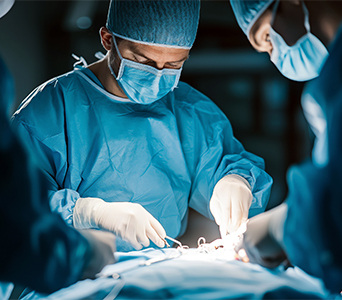
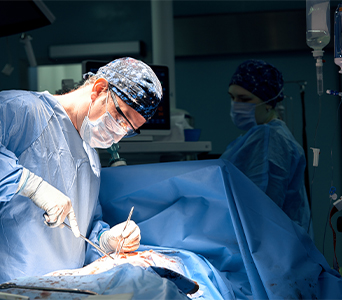
The surgeon makes an incision over or near the affected area to access the tumour safely.
The tumour is removed with an appropriate margin of surrounding tissue whenever feasible.
Depending on the extent of the cancer, part or all of an affected organ or nearby structure may also need to be removed.
Nearby lymph nodes may be sampled or removed when required for cancer staging or treatment.
In selected cases, a pathologist may examine tissue during the operation to assess a surgical margin or confirm the nature of a suspicious area.
If the operation affects appearance or function, reconstruction may be performed during the same procedure or planned for a later stage.
Drains, tubes or a temporary or permanent stoma may be placed when required.
The incision is closed, and the patient is transferred to a recovery area for monitoring. Some patients may require observation in a high-dependency or intensive care unit after complex surgery.
All removed tissue is sent for detailed histopathological examination.
The duration of surgery varies according to the organ involved and the complexity of the procedure. The surgeon will explain the expected duration for the planned operation.

After the Procedure
Recovery: Recovery after open cancer surgery varies with the type and extent of surgery, the organs involved, the patient’s health and whether reconstruction has been performed.
Hospital Stay: Hospital stay may range from a few days to longer after complex surgery. During this time, the care team monitors pain, wound healing, breathing, circulation, bowel and bladder function, nutrition and mobility.
Pain Management: Pain is managed using a personalised combination of medicines and, when appropriate, regional techniques such as an epidural or nerve block. Good pain control supports deep breathing, movement and recovery.
Nutrition and Mobility: Fluids and food are restarted according to the operation and the return of normal body functions. Patients are encouraged to sit up, perform breathing exercises and begin walking as soon as it is safe. This helps reduce the risk of chest infection and blood clots.
Wound and Drain Care: The team provides instructions for incision care and for any drains, tubes or stoma. Patients are told which symptoms are expected and which require prompt medical advice.
Resuming Routine: Return to work, driving, exercise and normal daily activities is gradual. Recovery may take several weeks or longer after major surgery. The surgeon provides individual guidance based on healing, physical demands and any further cancer treatment.
Follow-up Care: Follow-up appointments are scheduled to assess wound healing, review the histopathology report, manage symptoms and discuss the next stage of treatment. Rehabilitation, nutrition, pain management, psychological support or stoma care may be arranged according to the patient’s needs.

Key Advantages


- Fever, chills or increasing weakness
- Worsening pain that is not controlled by prescribed medication
- Increasing redness, warmth, swelling, discharge or bleeding from the incision
- Persistent vomiting or inability to eat or drink
- Shortness of breath, chest pain or coughing up blood
- New swelling or pain in a leg
- Reduced urine output, severe constipation or another unexpected change in body function
- A problem with a drain, tube or stoma
- Any symptom identified by the surgical team as specific to the procedure

Continuum of Care
Cancer surgery is one part of a coordinated treatment pathway. After surgery, patients may receive: