

icon
icon
What is Hormone therapy?

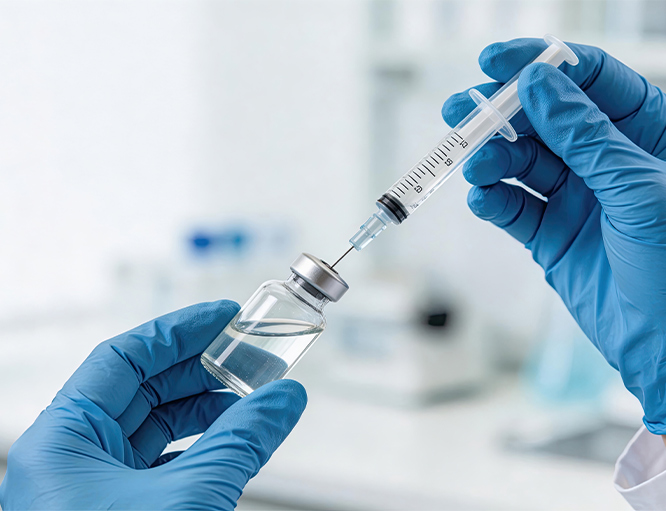
Hormone therapy, also called endocrine therapy, is a cancer treatment that slows or stops the growth of cancers that depend on hormones. It is most commonly used for hormone receptor-positive breast cancer and prostate cancer, and may also be considered for selected endometrial, ovarian and other hormone-sensitive cancers.

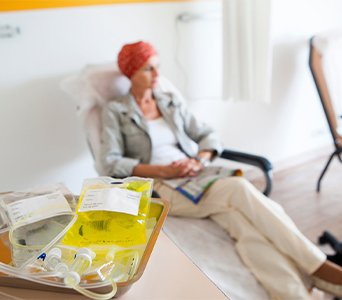
Hormone therapy works by reducing the amount of a particular hormone in the body, blocking its interaction with cancer cells or preventing cancer cells from producing or using hormonal signals. It may be prescribed alone or combined with surgery, radiation therapy, chemotherapy or targeted therapy.

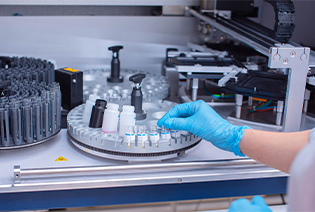
At Apollo Cancer Centres, hormone receptor testing and other clinical assessments help oncologists determine whether hormone therapy is appropriate. Each treatment plan is personalized according to the cancer type and stage, biomarker findings, menopausal or hormonal status, overall health and treatment goals.
Hormone Therapy
How Hormone Therapy Works
Some cancer cells contain receptors that allow hormones, such as estrogen, progesterone or testosterone, to stimulate their growth. Hormone therapy interferes with these signals through one or more approaches:
work-icon
Blocking Hormone Receptors
Medicines can attach to hormone receptors on cancer cells and prevent hormones from activating growth signals.
work-icon
Reducing Hormone Production
Certain medicines reduce the body’s production of hormones. Aromatase inhibitors lower estrogen levels, while androgen-deprivation therapies reduce testosterone production or activity.
work-icon
Suppressing Hormone-producing Organs
Medicines may temporarily suppress the function of the ovaries or testicles. In selected situations, surgery may be considered to stop hormone production permanently.
work-icon
Blocking Hormone Synthesis Within Cancer Cells
Some medicines interfere with enzymes that cancer cells or other tissues use to produce hormones, further reducing the signals that support cancer growth.

Why Hormone Therapy Is Required

Hormone-sensitive Cancer

Hormone-sensitive Cancer: Used when testing shows that cancer growth is influenced by hormones or hormone receptors.

Treatment Before Surgery

Treatment Before Surgery: May help shrink selected tumours before surgery and make them more manageable to remove.

Treatment After Surgery

Treatment After Surgery: Can lower the risk of recurrence after primary treatment for certain hormone-sensitive cancers.

Advanced or Metastatic Cancer

Advanced or Metastatic Cancer: May slow cancer growth, relieve symptoms and provide long-term disease control in selected patients.
Combination Treatment

Combination Treatment: Can be combined with targeted medicines, radiation therapy, chemotherapy or other treatments to improve effectiveness in specific clinical settings.

Recurrence Risk Reduction

Recurrence Risk Reduction: May be recommended for certain individuals at increased risk of developing or experiencing a recurrence of hormone receptor-positive breast cancer.

Symptom Control

Symptom Control: In advanced cancer, hormone therapy may help reduce cancer-related symptoms by controlling disease activity.

Key Advantages
Biomarker-guided Treatment
Hormone receptor testing helps identify cancers that are likely to respond to endocrine treatment.
Biomarker-guided Treatment
Effective Disease Control
Hormone therapy can reduce recurrence risk in some early-stage cancers and help control selected advanced or metastatic cancers.
Effective Disease Control
Multiple Treatment Options
Different medicines and approaches are available to block hormone receptors, lower hormone production or suppress hormonal activity.
Multiple Treatment Options
Oral and Outpatient Treatment
Many hormone therapies are taken as tablets or given through scheduled outpatient injections, reducing the need for frequent hospital-based infusions.
Oral and Outpatient Treatment
Combination with Other Treatments
Hormone therapy can be integrated with surgery, radiation therapy, targeted therapy or chemotherapy as part of a comprehensive treatment plan.
Combination with Other Treatments
Adaptable Treatment Plans
The medicine or treatment approach can be modified according to response, side effects, hormonal status and changes in the cancer.
Adaptable Treatment Plans

Symptom Control

Side Effects of Hormone Therapy

Side effects depend on the hormone being affected, the medicine prescribed, treatment duration, age and overall health. Although hormone therapy is often used for extended periods, it can cause significant effects that require regular monitoring and supportive care. Possible side effects include:
  • Hot flushes and night sweats
  • Fatigue
  • Mood or sleep changes
  • Reduced sexual desire or changes in sexual function
  • Vaginal dryness or erectile difficulties
  • Menstrual changes or effects on fertility
  • Joint stiffness, muscle discomfort or reduced muscle strength
  • Weight or metabolic changes
  • Reduced bone density and increased fracture risk
  • Changes in cholesterol, blood pressure or cardiovascular risk
  • Increased risk of blood clots with certain medicines
  • Breast tenderness or enlargement with some prostate cancer treatments

Continuum of Care

care-card-icon
Monitoring Treatment Response
Clinical examinations, laboratory tests, imaging and relevant tumour markers may be used to assess how the cancer is responding.
care-card-icon
Bone Health Monitoring
Bone density assessment may be recommended before or during treatments that can reduce bone strength.
care-card-icon
Cardiovascular and Metabolic Assessment
Blood pressure, cholesterol, blood sugar, weight and other risk factors may be monitored depending on the prescribed therapy.
care-card-icon
Management of Side Effects
Medicines, exercise, nutrition support, physiotherapy and specialist referrals help manage symptoms and maintain quality of life.
care-card-icon
Adherence and Treatment Review
Regular consultations help patients follow the prescribed treatment and allow the oncology team to review the medicine, dose and duration.
care-card-icon
Follow-up and Survivorship Support
Ongoing surveillance, rehabilitation and psychosocial support address recurrence risk, long-term treatment effects and overall wellbeing.

What to Expect at Apollo Cancer Centres

At Apollo Cancer Centres, hormone therapy is planned by experienced oncology teams using pathology findings, hormone receptor results and the patient’s complete clinical profile. Before treatment, patients receive clear information about why a particular therapy has been recommended, how it should be taken and which side effects require medical attention.

Throughout treatment, regular consultations and appropriate investigations help evaluate response, manage side effects and monitor bone, cardiovascular and metabolic health when required. Treatment duration varies considerably according to the cancer type, stage, response and recurrence risk. The care team reviews the plan at scheduled intervals to ensure that it remains appropriate and effective.


image image
Book an Appointment
Please Enter Your Name
Please Enter Your Mobile Number
Please Enter OTP