




Nuclear medicine is a specialised area of cancer care that uses small amounts of radioactive substances, called radiopharmaceuticals, to diagnose and treat disease. These substances are designed to follow specific biological processes or attach to particular targets, allowing specialists to assess how tissues and organs are functioning or to deliver radiation directly to selected cancer cells.
Read MoreTheranostics combines molecular imaging with targeted radionuclide therapy by using related radiopharmaceuticals to identify a biological target and then deliver radiation to cells expressing that target. This approach includes peptide receptor radionuclide therapy for selected somatostatin receptor-positive tumours, PSMA-targeted radioligand therapy for eligible patients with advanced prostate cancer, and MIBG therapy for selected MIBG-avid tumours. PET-CT, SPECT-CT, post-treatment imaging, and dosimetry may be used to confirm target expression, assess eligibility, plan treatment, evaluate radiopharmaceutical distribution, and monitor response.
Read More
Radioiodine therapy uses iodine-131, which is taken up by functioning thyroid tissue. It may be used after surgery for selected differentiated thyroid cancers to treat remaining thyroid tissue or iodine-avid disease, and it may also be used for certain non-cancerous thyroid conditions. Suitability depends on the diagnosis, pathology, risk assessment, iodine uptake, previous treatment, and clinical factors. Preparation may include thyroid-stimulating hormone elevation, a low-iodine diet, and adjustment of certain medicines, followed by temporary radiation-safety precautions after treatment.
Read More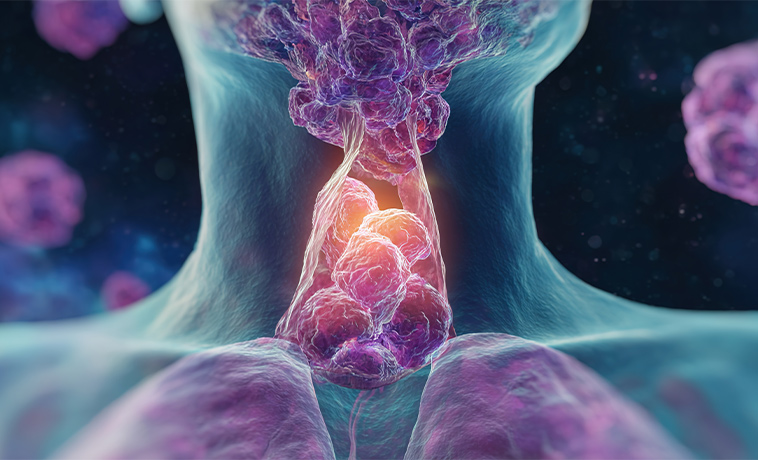
Bone-targeted radionuclide therapy uses radiopharmaceuticals that localise in areas of increased bone activity. Depending on the agent and clinical indication, it may be used to relieve pain from selected bone metastases or as part of disease-directed treatment. Eligibility is based on the underlying cancer, pattern of bone involvement, symptoms, blood-cell counts, kidney function, previous treatments, and the presence of disease outside the bones.
Read More
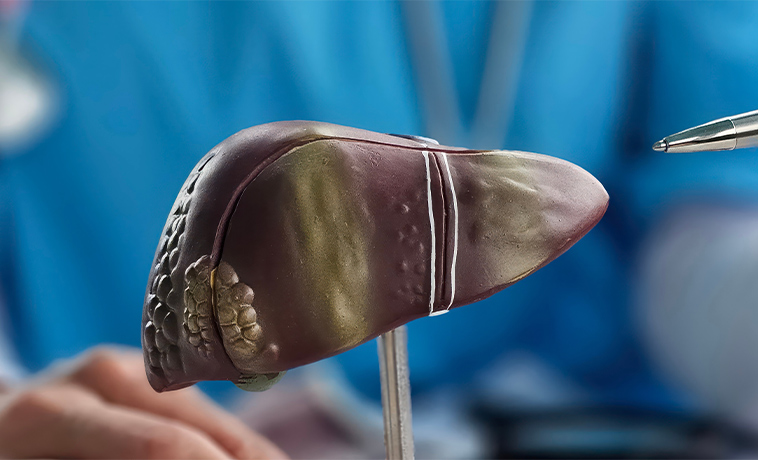
Radioembolisation is a targeted internal radiation treatment used for selected primary or metastatic tumours in the liver. An interventional radiologist guides a catheter into the arteries supplying the tumour, through which microscopic beads containing a radioactive isotope (Yttrium-90) are delivered. Treatment planning generally includes angiographic mapping, nuclear medicine imaging, assessment of blood flow outside the liver, and calculation of the required activity. The procedure is planned jointly by interventional radiology, nuclear medicine, medical physics, and the wider oncology team.
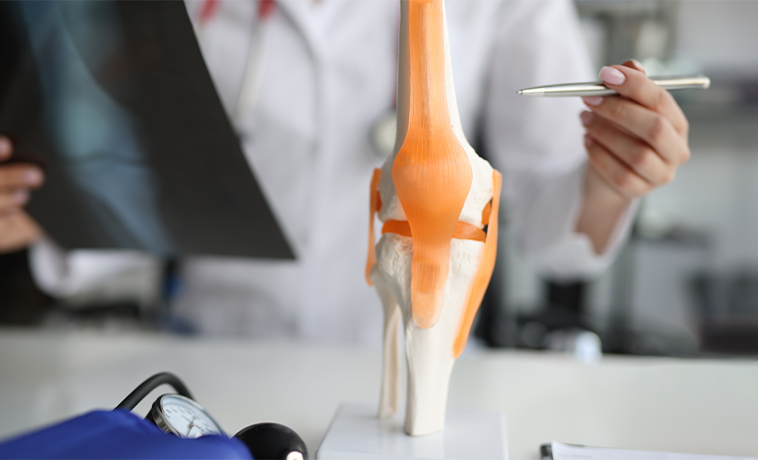
Radiosynovectomy is a nuclear medicine treatment for selected chronic inflammatory joint conditions rather than cancer. A small amount of a radiopharmaceutical is injected directly into the affected joint to reduce inflammation in the synovial lining. It may be considered when persistent joint swelling or bleeding has not responded adequately to other treatments. Suitability depends on the underlying condition, joint assessment, previous treatment, and the absence of contraindications such as joint infection or pregnancy.

How Nuclear Medicine Fits into Your Overall Care Plan
Nuclear medicine may contribute at several stages of the cancer care journey. Functional imaging can help identify active disease, determine its distribution, select an appropriate biopsy site, plan surgery or radiation therapy, and assess response to treatment.
Nuclear medicine findings are interpreted together with symptoms, clinical examination, pathology, laboratory results, and other imaging. Some areas of increased radiopharmaceutical uptake may be caused by normal biological activity, inflammation, infection, treatment-related changes, or non-cancerous conditions.
Certain diagnostic scans also act as selection tools for therapy. For example, demonstrated uptake of a target on imaging may help determine whether a corresponding radioligand treatment is appropriate. This combined diagnostic and therapeutic approach is sometimes called theranostics.
Targeted radionuclide therapy may be used alone or alongside surgery, external beam radiation therapy, chemotherapy, hormonal therapy, targeted therapy, immunotherapy, or supportive care. The multidisciplinary team determines the sequence and combination of treatments.
What Patients Can Expect
Before Treatment
Your nuclear medicine team will review your diagnosis, previous treatment, target-specific imaging, current medicines, allergies, and relevant health conditions.
Before treatment, you may need:
● Blood tests to assess blood-cell counts and organ function
● Target-specific imaging to confirm treatment eligibility
● Kidney, liver, thyroid, or bone-marrow assessment
● Fasting or increased hydration
● A low-iodine diet before radioiodine therapy
● Temporary adjustment of selected medicines under medical guidance
● Supportive medicines before treatment
● Pregnancy or breastfeeding screening
● Fertility and contraception counselling when relevant
Your team will explain:
● The purpose and expected benefits of treatment
● Available alternatives
● Possible short- and long-term side effects
● Whether admission will be required
● Radiation-safety precautions
● The expected number of treatment cycles
You will have an opportunity to ask questions before providing informed consent.

During Treatment
Depending on the procedure, the radiopharmaceutical may be administered:
● Orally
● Through an intravenous infusion
● Directly into a joint
● Through a catheter placed in a blood vessel
Supportive care may include:
● Hydration
● Amino-acid infusions
● Anti-nausea medicines
● Thyroid-protection medicines
● Pain relief or other treatment-specific medication
Your team may monitor:
● Blood pressure, pulse, and other vital signs
● Immediate treatment reactions
● Radiopharmaceutical distribution through imaging
● Your clinical condition during and after administration
Some treatments are completed in a day-care setting. Others require admission to a specially designed room until radiation levels meet the applicable discharge criteria. Certain therapies may be delivered over multiple treatment cycles.

After Treatment
You will receive personalised written instructions covering:
● Hydration and diet
● Medicines
● Activity and return to work
● Travel and treatment documentation
● Follow-up appointments
● Temporary radiation-safety precautions
Depending on the treatment, precautions may include:
● Maintaining a specified distance from others
● Limiting close or prolonged contact
● Sleeping separately
● Following careful toilet and personal hygiene
● Avoiding close contact with children or pregnant people
● Following restrictions for the period specified by the care team
Follow-up may include blood tests, imaging, dosimetry, assessment of side effects, review of treatment response, and planning for another treatment cycle if required.
Contact your care team promptly if you develop a high fever, severe or persistent vomiting, breathing difficulty, unusual bleeding or bruising, markedly reduced urine output, severe or worsening pain, confusion, unusual drowsiness, or any other symptom listed in your discharge instructions.