



Lung Cancer: Symptoms, Causes, Treatment, and Prevention
Breathing is something we rarely think about, yet our lungs never stop working, delivering oxygen to every cell of the body. But when lung cancer develops, this effortless process can suddenly feel heavy and difficult.
Lung cancer is among the most common and life-threatening cancers worldwide. While the diagnosis may sound frightening, learning about the condition, spotting warning signs early, and exploring treatment options can make a powerful difference.
What Is Lung Cancer?
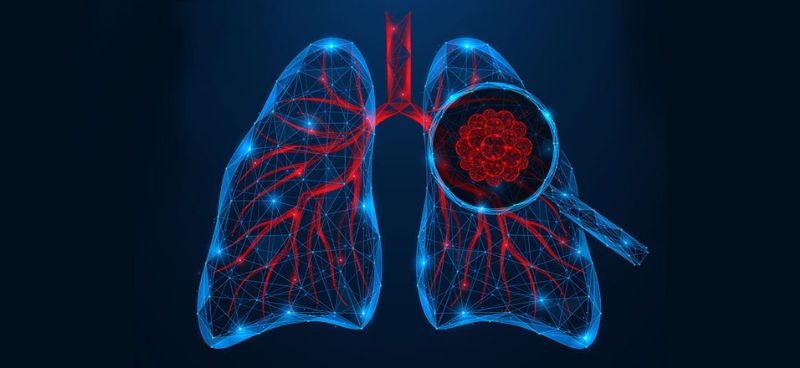
Lung cancer begins when cells in the lungs start to grow uncontrollably. These abnormal cells form tumors that interfere with normal breathing and, in many cases, can spread to other organs.
There are two primary types:
Non-Small Cell Lung Cancer (NSCLC): The most common type, making up about 80–85% of cases.
Small Cell Lung Cancer (SCLC): Less common but tends to grow and spread more quickly.
Symptoms of Lung Cancer
In its earliest stages, lung cancer may not cause obvious signs, which is why many people are diagnosed later. As the disease progresses, some symptoms that may appear include:
A persistent cough that does not improve.
Coughing up small amounts of blood.
Shortness of breath or noisy breathing (wheezing).
Chest pain that worsens with deep breaths or coughing.
Unexplained weight loss and reduced appetite.
Constant fatigue or weakness.
Repeated lung infections like pneumonia or bronchitis.
Because these symptoms can resemble other respiratory conditions, they are often overlooked. But acting quickly when changes appear can improve chances of detecting lung cancer at an earlier, more treatable stage.
What Causes Lung Cancer?
Smoking remains the leading cause of lung cancer, but it is not the only risk factor. People who have never smoked can also develop the disease.
Contributing risks include:
Smoking cigarettes, cigars, or pipes.
Exposure to secondhand smoke.
Shortness of breath or noisy breathing (wheezing).
Long-term exposure to radon, asbestos, or harmful chemicals.
Family history of lung cancer.
Air pollution and occupational hazards.
Previous radiation therapy to the chest.
How Is Lung Cancer Diagnosed?
Doctors use a variety of tests and scans to confirm lung cancer:
Imaging scans such as chest X-rays, CT scans, or PET scans.
Sputum analysis to check mucus from the lungs for cancer cells.
Biopsy to study lung tissue under a microscope.
Molecular testing to detect mutations that guide treatment decisions.
For people at higher risk, such as heavy smokers over age 50, an annual low-dose CT (LDCT) chest scan is often recommended. This test can detect lung cancer in its earliest stages, when treatment is most effective and the chances of cure are much higher.
Treatment Options for Lung Cancer
Treatment depends on the type of lung cancer, how advanced it is, and the patient’s overall health. Common approaches include:
Surgery to remove part of the lung or, in some cases, the entire affected lung.
Radiation therapy that uses powerful energy beams to destroy cancer cells.
Chemotherapy to attack cancer cells throughout the body.
Targeted therapy drugs that focus on specific genetic changes in the cancer.
Immunotherapy which strengthens the body’s immune system to recognize and fight cancer cells.
Often, a combination of treatments is recommended, and medical advances are continuously improving survival and quality of life.
Prevention: Protecting Your Lungs
While not all cases of lung cancer are preventable, certain steps can significantly lower risk:
Quit smoking and avoid exposure to secondhand smoke.
Test your home for radon and reduce exposure if levels are high.
Wear protective equipment if working with asbestos, dust, or chemicals.
Eat a diet rich in fruits and vegetables.
Exercise regularly to strengthen your lungs and immunity.
Living With Lung Cancer
A lung cancer diagnosis can feel overwhelming, but it does not define who you are. Many patients find strength in:
Support groups where they can connect with others facing similar challenges.
Counseling to manage the emotional impact of diagnosis.
Palliative care for symptom relief and improved comfort.
Healthy lifestyle habits like staying active and eating well during treatment.
Thanks to ongoing progress in treatments, more people are living longer and maintaining a better quality of life with lung cancer.
Final Thoughts
Lung cancer is a serious illness, but awareness and timely action can save lives. Understanding the symptoms, paying attention to your body, and taking preventive steps , like regular check-ups and, for those at risk, annual low-dose CT scans can make all the difference.
Your lungs work for you every moment. Protect them, listen to their signals, and never hesitate to seek medical guidance if something feels wrong.

Dr. Khader Hussain
Consultant-Thoracic Surgical Oncology