


icon
icon
What is Antibody–Drug Conjugates?

Antibody–drug conjugates (ADCs) are targeted cancer medicines that combine a monoclonal antibody with a cytotoxic drug. The antibody is designed to recognise a specific protein, or antigen, found on cancer cells, while the attached drug damages or destroys those cells.

By concentrating a potent medicine in cells that express the selected target, ADCs can provide a more focused approach than conventional chemotherapy. However, they may still affect healthy cells and cause significant treatment-specific side effects.

At Apollo Cancer Centres, oncologists use pathology, biomarker testing and the patient’s clinical profile to determine whether an ADC is appropriate. Treatment decisions consider the cancer type and stage, level of target expression, previous treatments, overall health and available clinical evidence.

Antibody–Drug Conjugates
How ADCs Work
Antibody–drug conjugates combine the targeting ability of an antibody with a potent cancer-killing medicine. After an ADC attaches to its target on a cancer cell, it is usually taken inside the cell, where the cytotoxic payload is released. The payload then disrupts essential processes such as cell division or DNA function, causing the cancer cell to die. Some ADCs may also affect nearby cancer cells through a “bystander effect”. ADCs are generally administered through intravenous infusion in treatment cycles, with the schedule determined by the medicine, treatment response and side effects. ADCs are composed of three principal parts:
work-icon
Monoclonal Antibody
The antibody recognises and attaches to a specific antigen on the surface of a cancer cell.
work-icon
Cytotoxic Payload
A potent cancer-killing medicine is carried by the antibody and released after the ADC reaches its intended target.
work-icon
Linker
The linker connects the antibody to the cytotoxic payload and is designed to keep the components together until the medicine reaches the target cell.

Why ADCs Are Required

Cancers with a Relevant Target

Cancers with a Relevant Target: Used when testing confirms that cancer cells express an antigen targeted by an available ADC, such as HER2, TROP-2 or CD30.

Previously Treated Cancer

Previously Treated Cancer: May provide an additional option when cancer progresses during or after other treatments.

Advanced or Metastatic Cancer

Advanced or Metastatic Cancer: Used in selected cancers that have spread beyond their original site and carry an appropriate biomarker.
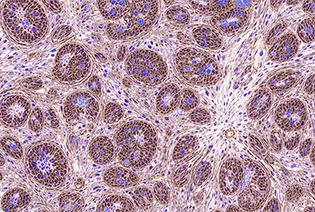
HER2-expressing Cancers

HER2-expressing Cancers: Certain ADCs may be considered for eligible patients with HER2-positive, HER2-low, HER2-ultralow or HER2-mutated cancers, depending on the cancer type and approved indication.

Selected Blood Cancers

Selected Blood Cancers: ADCs targeting markers such as CD30, CD22 or CD79b may be used for particular lymphomas or leukaemias.

Other Target-specific Cancers

Other Target-specific Cancers: Depending on the approved medicine and treatment setting, ADCs may be used in selected breast, lung, gastric, gastro-oesophageal, urothelial and other cancers.

Combination Treatment

Combination Treatment: Some ADCs may be combined with immunotherapy or other systemic treatments when supported by clinical evidence.

Key Advantages

Target-guided Drug Delivery
The antibody component directs the attached cytotoxic medicine towards cancer cells that express a specific antigen.
Target-guided Drug Delivery
Potent Anticancer Activity
ADCs deliver highly active payloads that can be effective in selected cancers, including some that have progressed after previous treatments.
Potent Anticancer Activity
Options Across Cancer Types
Different ADCs target different antigens, allowing their use in a growing range of solid tumours and blood cancers.
Options Across Cancer Types
Treatment for Different Levels of Target Expression
Certain ADCs may be effective even when a target is present at relatively low levels, although eligibility depends on the specific medicine and cancer type.
Treatment for Different Levels of Target Expression
Integration with Other Treatments
Depending on the diagnosis and clinical evidence, an ADC may be used alone or with another systemic therapy.
Integration with Other Treatments
Biomarker-guided Selection
Pathology and biomarker assessment help identify patients who may be suitable for a particular ADC.
Biomarker-guided Selection

Antibody–Drug Conjugates

Side Effects of Antibody–Drug Conjugates

Side effects vary considerably according to the antibody, linker, cytotoxic payload, dose and treatment schedule. ADCs can cause effects associated with both targeted treatment and chemotherapy, and they are not necessarily less toxic than conventional chemotherapy for every patient. Possible side effects include:
  • Fatigue
  • Nausea or vomiting
  • Reduced appetite
  • Diarrhoea or constipation
  • Hair thinning or hair loss
  • Low red blood cell, white blood cell or platelet counts
  • Increased risk of infection
  • Infusion-related reactions
  • Numbness or tingling in the hands and feet
  • Liver function changes
  • Eye-related effects with certain ADCs
  • Heart-related effects with certain HER2-directed ADCs
  • Interstitial lung disease or pneumonitis with certain medicines

Continuum of Care

care-card-icon
Monitoring During Treatment
Clinical reviews and laboratory tests help assess blood counts, organ function, treatment tolerance and potential adverse effects.
care-card-icon
Assessment of Treatment Response
Scheduled imaging, clinical examinations and relevant tumour markers may be used to evaluate how the cancer is responding.
care-card-icon
Management of Side Effects
Supportive medicines, dose adjustments and specialist referrals help prevent or manage side effects.
care-card-icon
Review of Ongoing Eligibility
The oncology team regularly evaluates whether treatment should continue, be modified or be replaced based on response, tolerability and disease progression.
care-card-icon
Follow-up and Supportive Care
Nutrition guidance, rehabilitation, symptom management and psychosocial support help patients maintain their health and quality of life during and after treatment.

What to Expect at Apollo Cancer Centres

At Apollo Cancer Centres, ADC treatment begins with a detailed pathology and biomarker assessment to determine whether the cancer carries a target associated with an available therapy. The oncology team evaluates these findings alongside the cancer type and stage, previous treatments, organ function and overall health.

Before treatment, patients receive information about the infusion schedule, expected monitoring and medicine-specific side effects. During therapy, regular consultations, blood tests and imaging help assess safety and response. Additional cardiac, respiratory, neurological or eye monitoring may be arranged when required for the prescribed ADC. If side effects develop or the cancer changes, the treatment plan is reviewed and adjusted accordingly.


image image
Book an Appointment
Please Enter Your Name
Please Enter Your Mobile Number
Please Enter OTP