




Surgical oncology is a key part of comprehensive cancer care. It focuses on the diagnosis, staging, and surgical treatment of solid tumours. Surgery may be performed to remove cancer, determine its extent, preserve or restore function, relieve symptoms, or support other treatments.
Read MoreSurgery may be used to obtain tissue for an accurate diagnosis or to determine the extent of cancer. Procedures may include surgical biopsy, endoscopic or minimally invasive assessment, sentinel lymph-node biopsy, lymph-node sampling, or staging laparoscopy. The tissue removed is examined by a pathologist to confirm the diagnosis and identify features that may help guide treatment. Not every patient requires a surgical biopsy or staging operation; less-invasive image-guided techniques may be suitable in some cases.

Open cancer surgery is performed through an incision that gives the surgeon direct access to the tumour and surrounding structures. It may be recommended for large or complex tumours, cancers involving multiple organs or major blood vessels, or situations in which minimally invasive surgery would not allow safe and complete treatment. Open surgery remains an important and effective approach in cancer care. The choice between open and minimally invasive surgery is based on oncological safety, technical feasibility, and the patient’s individual circumstances.
Read More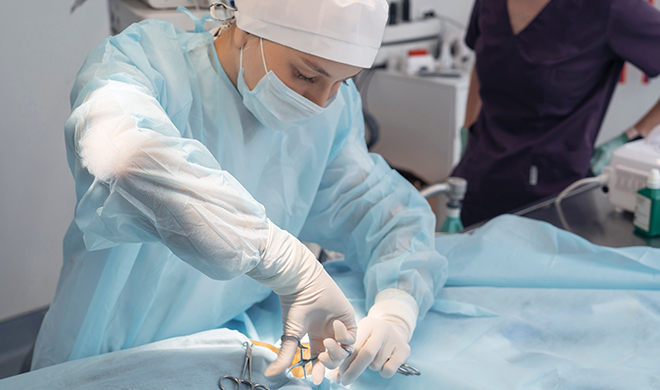
Minimally invasive cancer surgery uses small incisions and specialised instruments to perform an operation. Depending on the area being treated, this may include laparoscopic or thoracoscopic surgery. For appropriately selected patients, potential benefits may include smaller incisions, less postoperative pain, reduced blood loss, a shorter hospital stay, and faster recovery. These outcomes are not guaranteed, and minimally invasive surgery is not suitable for every cancer or every patient.
Read More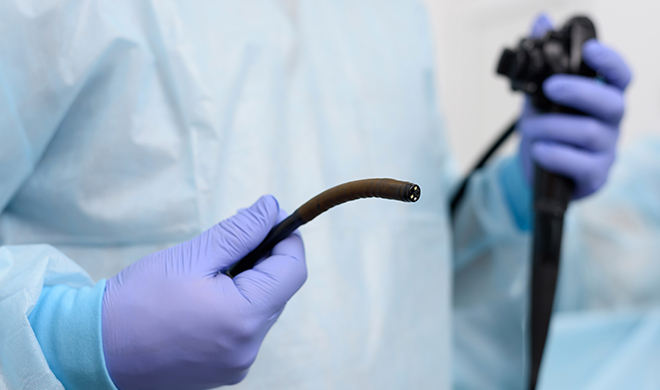
Robotic-assisted cancer surgery is a form of minimally invasive surgery in which the surgeon controls specialised instruments from a console. The system can provide magnified three-dimensional views and a wide range of instrument movement, which may assist in operating within confined or anatomically complex areas. Robotic-assisted cancer surgery is recommended only when it is considered safe, appropriate, and likely to support the intended surgical outcome.
Read More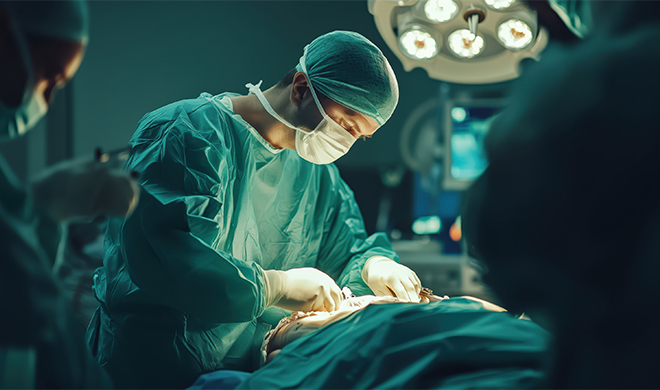
Organ-preserving surgery aims to remove the cancer while retaining as much healthy tissue and organ function as is safely possible. Depending on the diagnosis, this may involve preserving speech, swallowing, continence, mobility, fertility, appearance, or the function of an affected organ. Suitability depends on factors such as tumour size, location, stage, response to treatment, and the ability to achieve adequate cancer clearance. Organ-preserving surgery may need to be combined with chemotherapy, radiation therapy, or another treatment.
Read More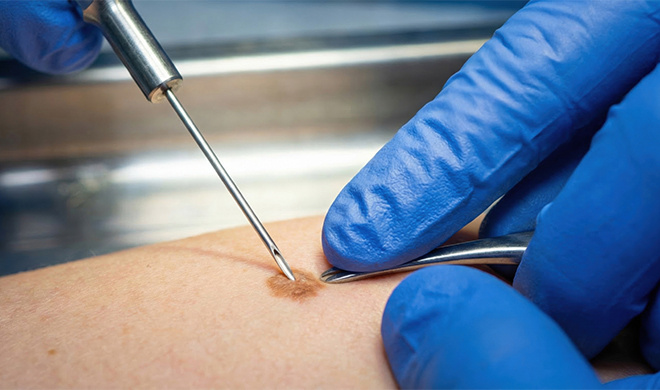
Cytoreductive surgery, also called debulking surgery, aims to remove all visible cancer or reduce the amount of disease as much as safely possible. It may be considered for selected cancers that have spread within a body cavity or involve several nearby structures. The operation can be extensive and may involve more than one organ. Careful assessment is required to determine whether the potential benefits justify the risks and whether additional treatment will be needed.
Read More
Hyperthermic intraperitoneal chemotherapy, or HIPEC, is a specialised treatment used for selected cancers involving the lining of the abdominal cavity, known as the peritoneum. It usually follows cytoreductive surgery to remove visible disease. Heated chemotherapy is then circulated within the abdominal cavity for a specified period during the operation. HIPEC is not appropriate for every cancer involving the peritoneum. Suitability depends on the cancer type, extent of disease, whether adequate cytoreduction appears achievable, previous treatment, organ function, and overall health. The potential benefits and significant risks of this complex procedure require evaluation by an experienced multidisciplinary team.
Read More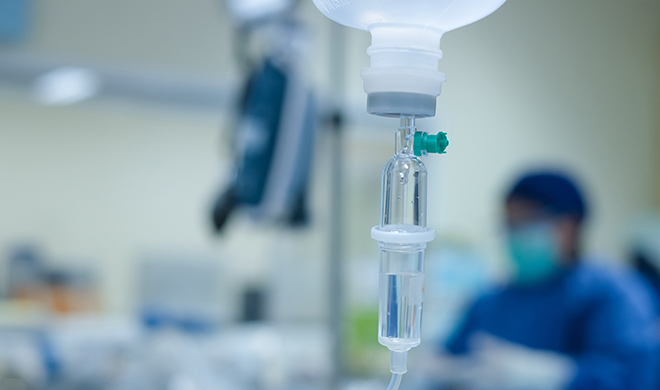
Pressurised intraperitoneal aerosol chemotherapy, or PIPAC, is a minimally invasive procedure in which chemotherapy is delivered into the abdominal cavity as a pressurised aerosol. It may be considered for carefully selected patients with cancer involving the peritoneum, including some patients whose disease cannot be completely removed surgically. The role of PIPAC continues to be evaluated, and it is not a standard treatment for every patient with peritoneal disease. Availability and eligibility may depend on the diagnosis, previous treatment, treatment goals, and the supporting clinical evidence. Patients should discuss potential benefits, uncertainties, alternatives, and risks with a specialist multidisciplinary team.
Read More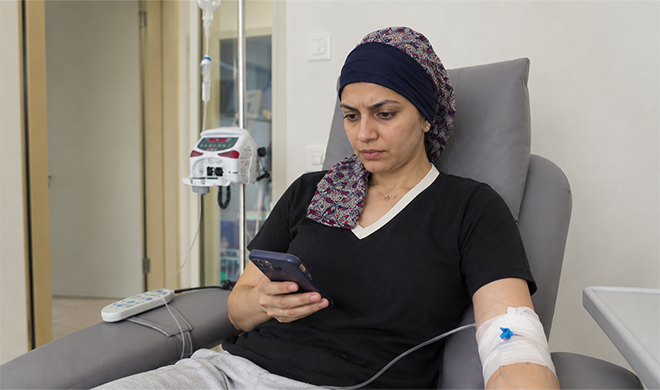
Oncoplastic and reconstructive surgery combines cancer removal with techniques intended to restore form, cover a surgical defect, or preserve function. Reconstruction may use nearby tissue, tissue from another part of the body, implants, or a combination of approaches. Depending on the procedure and treatment plan, reconstruction may be performed during cancer surgery or at a later stage. Planning involves balancing cancer clearance, healing, appearance, function, and the possible need for radiation therapy or other treatment.
Read More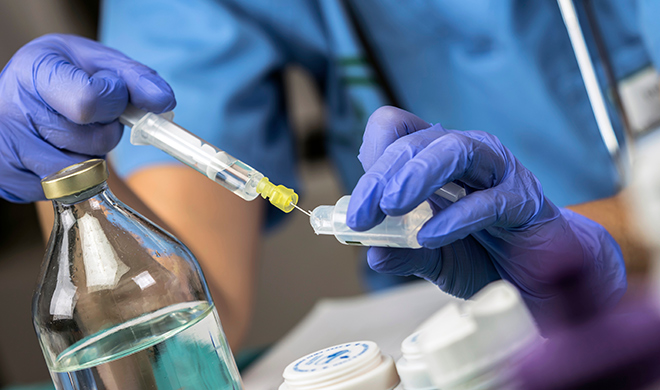
In selected patients, surgery may be considered for cancer that has returned or spread to another part of the body. Procedures may include removal of a limited number of metastatic deposits, treatment of an isolated recurrence, or surgery to relieve symptoms caused by obstruction, bleeding, pain, infection, or pressure on nearby structures. The purpose of surgery may be curative in carefully selected situations, but it may also be intended to control disease or improve comfort and function. Decisions are made after considering the extent of cancer, available non-surgical treatments, expected benefits, operative risks, and the patient’s priorities.
Read More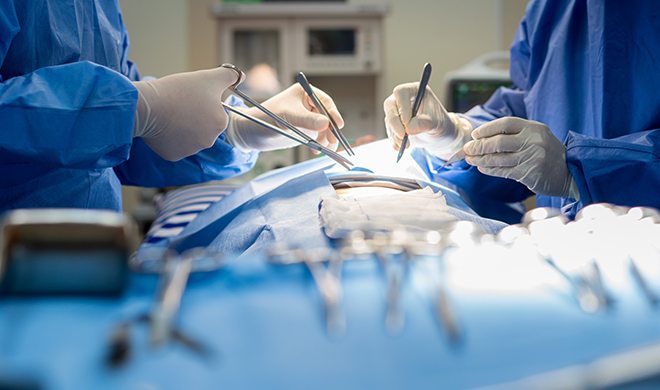

How Surgical Oncology Fits into Your Overall Care Plan
Surgery may be used at different points in the cancer care journey. For some patients, it is the main treatment. For others, it forms one part of a broader plan involving chemotherapy, targeted therapy, immunotherapy, hormonal therapy, radiation therapy, nuclear medicine procedures, or supportive care.
Treatment given before surgery is called neoadjuvant treatment. It may be recommended to reduce the extent of disease, improve the possibility of complete removal, or support organ preservation. Treatment given after surgery is called adjuvant treatment and may be recommended to reduce the risk of cancer returning.
The operation also provides tissue for pathological examination. The pathology report may describe the cancer type, tumour size, margins, lymph-node findings, treatment response, and other relevant features. These findings help the multidisciplinary team determine whether further treatment is appropriate.
In some situations, surgery may not be the first or most suitable treatment. A different approach may provide better disease control or involve less risk. If surgery is unlikely to remove the cancer completely, it may still be considered to prevent or relieve symptoms in carefully selected cases.
What Patients Can Expect
Before Surgery
Your surgical consultation may include a review of your medical history, physical examination, pathology reports, imaging, blood tests, previous treatments, current medicines, and relevant health conditions. Additional tests may be needed to assess the extent of disease and whether you are fit for anesthesia and surgery.
Your surgical oncologist will discuss:
● The purpose and intended extent of the operation
● Whether an open, minimally invasive, or robotic-assisted approach is appropriate
● The expected benefits, alternatives, and possible risks
● Whether lymph nodes or nearby tissues may need to be removed
● The possibility that the operative plan may need to change based on findings during surgery
● Anesthesia, pain management and expected hospital stay
● Potential effects on organ function, mobility, appearance, fertility or daily activities
● Whether reconstruction or rehabilitation may be required
● Instructions about food, medicines, smoking, exercise, and preparation for surgery
● Whether additional treatment may be needed before or after the operation
You will have an opportunity to ask questions before providing informed consent. Tell the team about all prescription medicines, over-the-counter medicines, blood thinners, vitamins, herbal products, allergies, previous problems with anaesthesia, and implanted medical devices.

During Surgery
The care team will confirm your identity, the planned procedure, the operative site, allergies, consent, and relevant test results. The surgeon, anesthetist, and nursing team will review the plan and answer any remaining questions.
During the surgery, the team will monitor you continuously. Some procedures may involve the removal or sampling of lymph nodes, placement of drains or tubes, or immediate reconstruction. If unexpected findings require a significant change to the agreed plan, the team will follow the consent discussion and established clinical protocols.

After Surgery
After the procedure, you will be monitored in a recovery area, ward, or intensive care unit, depending on the complexity of the operation and your clinical needs. The team will support pain control, breathing, circulation, nutrition, wound care, and safe movement.
You may receive guidance on:
● Caring for wounds, drains, a stoma, catheter, or surgical tubes, if applicable
● Medicines and the prevention of blood clots or infection
● Diet, hydration, and bowel function
● Breathing exercises, physiotherapy, and gradual mobilisation
● Activity restrictions and returning to work, driving, or exercise
● Symptoms requiring urgent medical attention
● Follow-up appointments and pathology results
Recovery time varies depending on the type and extent of surgery, the surgical approach, your overall health, and whether complications occur.
Any tissue removed during surgery will be examined by a pathologist. The final report may take several days or longer, particularly when specialised tests are required. During a follow-up consultation, your surgeon will discuss the pathology findings, wound healing, recovery, and whether further treatment or surveillance is recommended. Your case may also be reviewed by the multidisciplinary tumour board before the next stage of care is finalised.