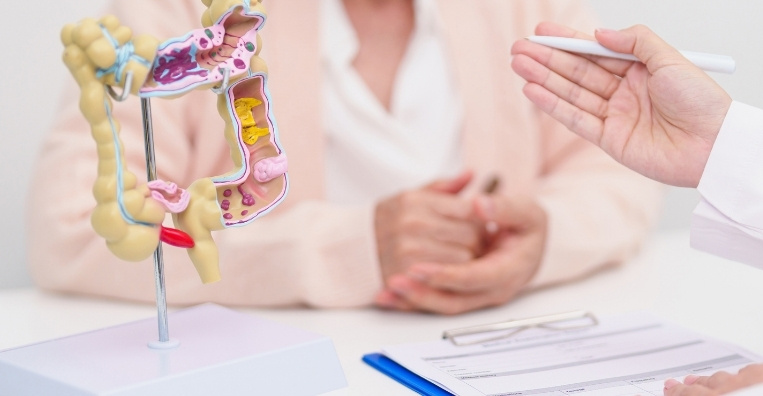




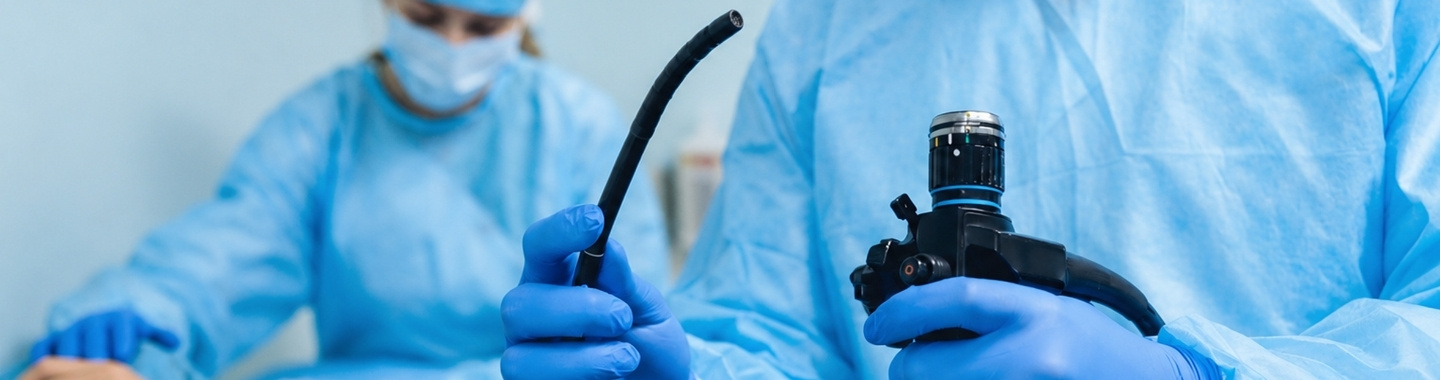
Colonoscopy is a procedure used to examine the lining of the rectum and colon, which together form the large intestine. A thin, flexible tube with a light and camera is passed through the anus and guided through the colon.
Colonoscopy can detect polyps, cancers, inflammation, bleeding and other abnormalities. Tissue samples can be taken, and many polyps can be removed during the same procedure.
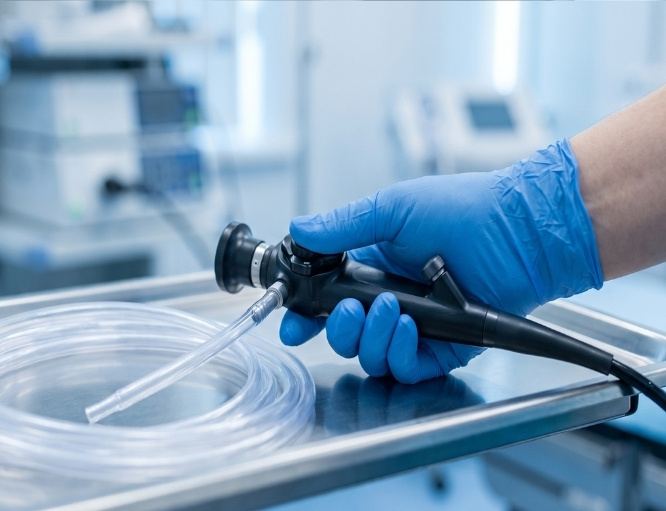
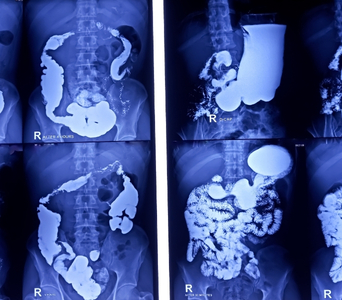
It is used for colorectal cancer screening, investigation of symptoms, diagnosis, surveillance and selected treatments. CT, MRI, PET-CT or other tests may still be required to determine whether a cancer has spread beyond the bowel.


Role in Cancer Care


What to Expect
Before the Test
The colon must be thoroughly cleaned so that the lining can be examined clearly. Inadequate bowel preparation can hide polyps or cancers and may require the procedure to be repeated.
You will receive specific instructions that may include:
Temporarily following a low-fibre diet
Changing to clear liquids before the procedure
Taking a prescribed laxative solution, usually in divided doses
Avoiding certain coloured liquids
Stopping all food and drink at the specified time
The bowel preparation will cause frequent watery bowel movements, so remain close to a toilet. Complete the preparation exactly as instructed, even when the bowel movements appear clear.
Inform the care team if you:
Take blood thinners, aspirin or medicines that affect clotting
Have diabetes and use insulin or other glucose-lowering medicines
Have heart, lung, kidney or liver disease
Have constipation, bowel obstruction symptoms or previous bowel surgery
Have allergies or have previously reacted to sedation or anesthesia
Are pregnant or may be pregnant
Take prescription medicines, non-prescription medicines or supplements
Have a pacemaker or another implanted device
Do not stop or adjust medicines unless specifically instructed. The type and amount of bowel preparation may need to be modified for people with certain kidney, heart or electrolyte conditions.
If sedation or anesthesia will be used, arrange for a responsible adult to accompany you home. You should not drive after the procedure.

During the Test
You will usually lie on your side. Sedation, anesthesia or pain medicine may be given through a vein to keep you comfortable.
The doctor inserts the colonoscope through the anus and guides it through the rectum and colon. Air or carbon dioxide is introduced to expand the bowel, and water may also be used to improve visualisation.
The doctor slowly withdraws the colonoscope while carefully examining the bowel lining. Your position may be changed, or gentle pressure may be applied to the abdomen to help the scope pass safely.
Polyps may be removed, and biopsies can be taken without causing cutting pain within the bowel lining. Larger or complex lesions may require an advanced procedure or a separate treatment session.
A routine colonoscopy commonly takes approximately 30 to 60 minutes. It may take longer if multiple polyps are removed or another treatment is performed.

After the Test
You will be monitored until the effects of sedation or anesthesia have reduced. Bloating, cramping or increased gas may occur temporarily because of the air introduced during the procedure.
If sedation was used, do not drive, operate machinery, drink alcohol, sign important documents or make major decisions for the period specified by the care team. Arrange for someone to accompany you and stay with you if advised.
You can usually resume eating according to the instructions provided. If a large polyp or lesion was removed, temporary dietary, medicine or activity restrictions may be recommended.
The doctor may discuss the visual findings after the procedure. Polyp and biopsy results take longer because the tissue must be processed and examined by a pathologist.
A small amount of rectal bleeding can occur after a biopsy or polyp removal. Seek urgent medical attention if you develop:
Severe or worsening abdominal pain
Fever
Persistent vomiting
A swollen or rigid abdomen
Heavy or persistent rectal bleeding
Black stools
Dizziness, marked weakness or fainting
Breathing difficulty or chest pain
Bleeding can occasionally occur several days after a polyp is removed. Follow the specific instructions provided by the endoscopy team.

Potential Benefits
- Cancer prevention: Precancerous polyps can be identified and removed.
- Early detection: Colorectal cancer may be detected before it causes symptoms.
- Direct visualisation: The lining of the rectum and colon can be examined in real time.
- Tissue diagnosis: Biopsies can be taken directly from suspicious areas.
- Polyp removal: Many polyps can be removed during the examination.
- Accurate localisation: The location of a tumour or lesion can be documented or marked for treatment.
- Diagnostic and therapeutic use: Bleeding, selected early lesions or obstruction may be treated endoscopically in suitable patients.
- Surveillance: The colon can be monitored after polyp removal or colorectal cancer treatment.