





Overview
Clinical chemistry measures substances in blood, urine and other body fluids to assess organ function, metabolic health and selected tumour-related markers. These tests contribute to cancer care by helping evaluate a patient before treatment, monitor treatment safety, identify complications and follow selected indicators of disease activity.
Most clinical chemistry results are not specific to cancer and cannot establish a cancer diagnosis independently. They are interpreted alongside symptoms, examination findings, imaging, pathology and other laboratory tests.
Samples and Methods
Blood Samples
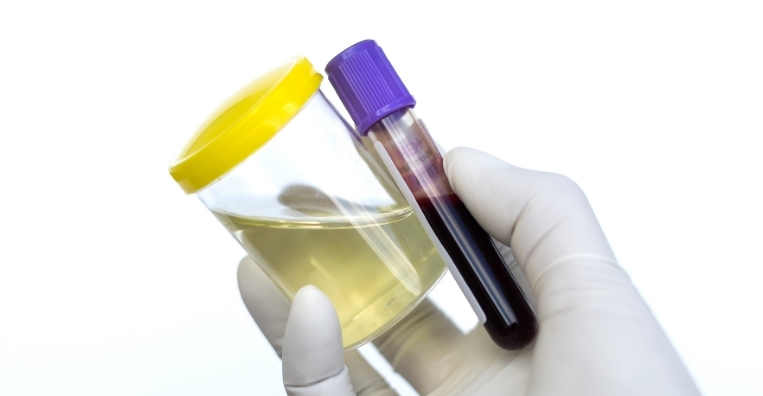
Blood may be tested for enzymes, proteins, electrolytes, minerals, hormones, metabolites and selected tumour markers.

Urine Samples
Urine testing can assess kidney function, metabolic changes, abnormal proteins or substances produced by selected tumours.
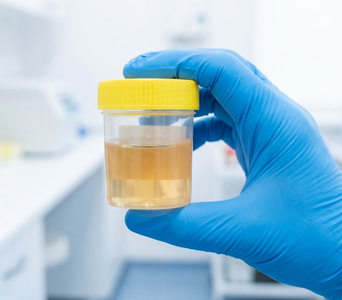
Body Fluids
Pleural, peritoneal, cerebrospinal or other body fluids may undergo biochemical analysis when clinically indicated.
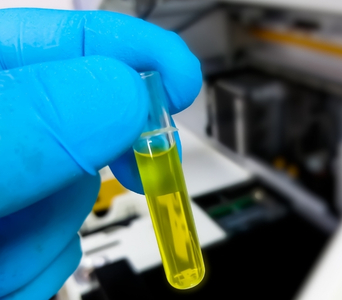
Automated Analysis
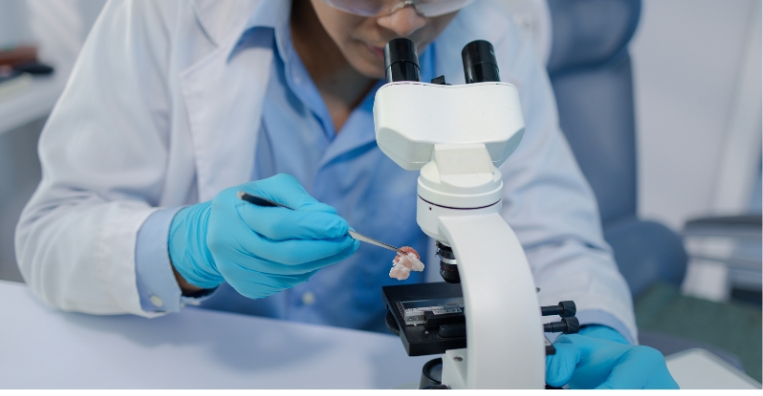
Automated analysers measure the concentration or activity of many substances using validated chemical, enzymatic or immunological methods.
Protein Studies
Serum protein electrophoresis, immunofixation and free light-chain assays may support the investigation and monitoring of plasma-cell disorders.

Tumour Markers
Markers such as PSA, CA-125, CEA, AFP and CA 19-9 may be measured in particular clinical settings. Their usefulness varies according to the cancer type, stage and purpose of testing.
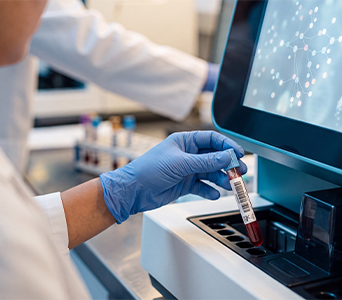
How It Is Performed
- Test Selection: The treating team selects tests according to the suspected cancer, planned treatment, symptoms and the organ functions that require assessment.
- Sample Collection: Blood is usually collected from a vein. Urine or another body-fluid sample may be required for selected investigations.
- Laboratory Analysis: The sample is processed and analysed using automated or specialised laboratory methods. Calibration and quality-control procedures are used to support reliable measurement.
- Result Comparison: Results are compared with appropriate reference ranges and, when relevant, the patient’s previous results. Trends over time may be more informative than a single measurement.
- Clinical Interpretation: The treating team interprets the findings alongside other clinical information. Abnormal results may require repeat testing or additional investigation.
Advantages
- Assesses kidney, liver, bone and metabolic function before cancer treatment.
- Helps identify changes that may require supportive care, further investigation or treatment modification.
- May detect electrolyte imbalances, organ dysfunction or treatment-related complications.
- Selected tumour markers may help monitor treatment response or recurrence.
- Comparing results over time can reveal clinically important trends.
- A small blood or urine sample can provide information about several organ systems and metabolic processes.
Frequently Asked Questions
01
Can a blood test diagnose cancer?


Some blood tests can detect abnormalities associated with cancer, but most cannot diagnose cancer independently. Imaging, biopsy and other investigations may be required.
02
Are tumour markers only elevated in cancer?
No. Several tumour markers can also rise because of benign conditions, inflammation, pregnancy or other factors. Some people with cancer may have normal tumour-marker levels.
03
Can tumour markers be used for cancer screening?
Only selected markers have a recognised role in specific screening or early-detection settings. Most are not suitable as general cancer-screening tests in people without symptoms.
04
Why are blood tests repeated during treatment?
Repeated tests help identify trends, monitor treatment safety and determine whether supportive care or treatment modification may be needed.
05
Do I need to fast before testing?
Only some tests require fasting or other preparation. Patients should follow the specific instructions provided and should not stop prescribed medicines unless advised.


Book an Appointment