




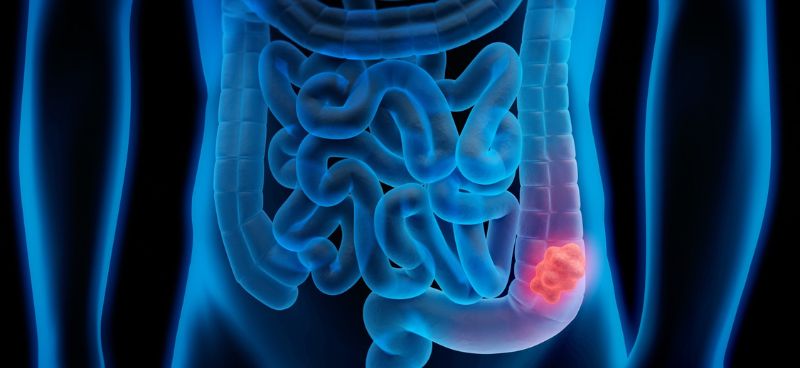
Overview of Colon Cancer
Colon cancer, also known as colorectal cancer, is becoming an increasing concern in India. Traditionally considered a disease of the Western world, recent statistics show a rising incidence in urban and semi-urban areas of India. Lifestyle changes, including diets high in processed foods and low in fibre, combined with a lack of routine screening, contribute to this trend. According to the Global Cancer Observatory, colorectal cancer is among the top five cancers in India, highlighting the need for awareness and early detection efforts to improve outcomes and reduce mortality rates.
Understanding Colon Cancer
Colon cancer begins in the colon or rectum, parts of the large intestine responsible for the final stages of digestion and waste elimination. Most colon cancers start as small, noncancerous (benign) clumps of cells called polyps, which over time can develop into cancer. Factors contributing to the rising cases in India include genetic predisposition, inflammatory bowel diseases, and lifestyle factors such as diet, obesity, and smoking. Early detection through screening can prevent many cases by identifying and removing polyps before they become malignant. Public health initiatives must focus on educating the population about risk factors and promoting regular screening.
Early Warning Signs and Symptoms of Colon Cancer
Recognizing the early warning signs of colon cancer is crucial for timely intervention and improved prognosis. Common symptoms include:
Changes in Bowel Habits: Persistent diarrhoea, constipation, or a change in the consistency of stool lasting more than a few days.
Rectal Bleeding: Blood in the stool or on the toilet paper after a bowel movement. Abdominal Discomfort: Cramping, gas, or pain that does not go away.
Weakness and Fatigue: A general feeling of tiredness or weakness that is not explained by other causes.
Unexplained Weight Loss: Losing weight without trying, which can be a sign of cancer or other serious health issues.
It is important to note that these symptoms can also be caused by other health conditions, but their persistence warrants a medical consultation to rule out colon cancer. In India, where healthcare access can vary, recognizing these signs and seeking medical advice promptly is particularly vital.
Seeking Timely Diagnosis
Early diagnosis of colon cancer significantly improves treatment outcomes and survival rates. The importance of early detection cannot be overstated, as it often allows for less invasive treatment options and better management of the disease. Several diagnostic tests are available for colon cancer:
Faecal Occult Blood Test (FOBT): A non-invasive test that checks for hidden blood in the stool, which can be an early sign of cancer.
Colonoscopy: A procedure where a long, flexible tube with a camera is used to examine the entire colon and rectum. It can also remove polyps during the same procedure.
Sigmoidoscopy: Similar to a colonoscopy but examines only the lower part of the colon and rectum.
CT Colonography (Virtual Colonoscopy): A CT scan that provides images of the colon and rectum, used to detect polyps and cancer.
Raising awareness about these diagnostic tests and making them accessible to the broader population is essential. Health campaigns should emphasize the importance of routine screenings, especially for individuals over the age of 50 or those with a family history of colorectal cancer.
Conclusion
Colon cancer is a growing concern in India, but early detection and awareness can significantly improve survival rates. By understanding the risk factors, recognizing the early warning signs, and seeking timely diagnosis, individuals can take proactive steps to protect their health. Public health initiatives and education campaigns play a crucial role in combating the rise of colon cancer, making screening and early intervention more accessible and widespread. Together, these efforts can lead to better outcomes and a healthier population.