




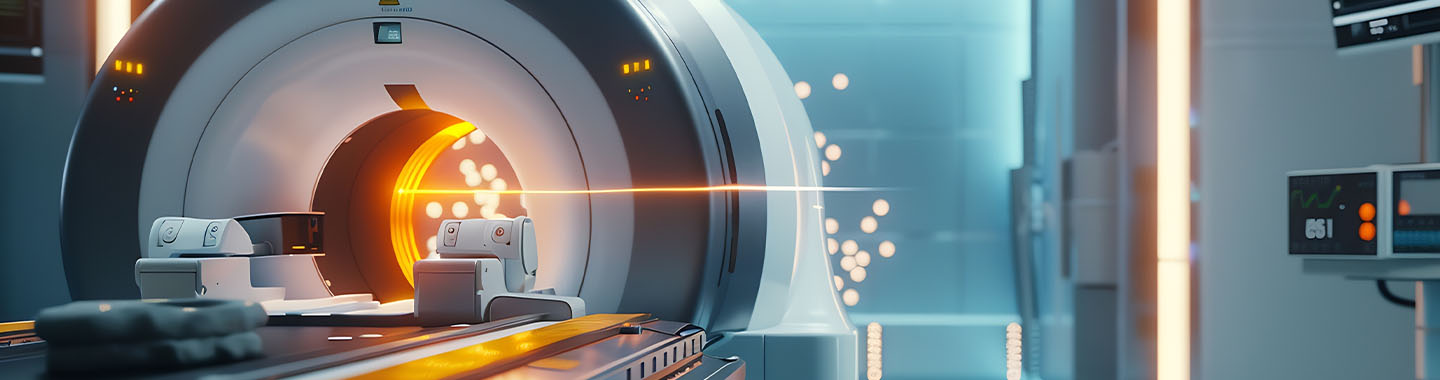
ZAP-X Radiosurgery is a specialised platform used to deliver stereotactic radiosurgery to tumours and other abnormalities in the brain and selected areas of the head and neck. Despite its name, radiosurgery does not involve an incision. It is a non-invasive form of radiation treatment that delivers a high dose of radiation to a precisely defined target.
The system uses a gyroscopic design that directs multiple narrow radiation beams towards the target from different angles. Each individual beam carries a limited dose through the surrounding tissue, while the beams converge to deliver the planned treatment dose at the target.
ZAP-X treatment may be delivered in a single session or divided across a small number of sessions. It may be used as the main treatment or alongside surgery, systemic therapy or other forms of radiation, depending on the diagnosis and treatment goal.
- One or more brain metastases
- Selected primary brain tumours
- Meningiomas
- Vestibular schwannomas, also known as acoustic neuromas
- Pituitary adenomas
- Selected gliomas or recurrent brain tumours
- Tumours located in areas that may be difficult to reach surgically
- Residual or recurrent tumours following surgery
- Selected tumours that have previously received radiation
- Certain non-cancerous conditions, including arteriovenous malformations and trigeminal neuralgia
- Patients who may not be suitable for open surgery because of the tumour’s location, their age or their overall health
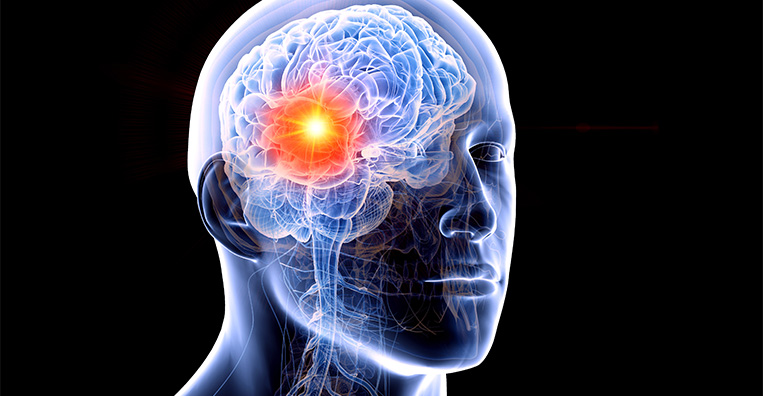
How ZAP-X Radiosurgery Is Performed
Before Treatment
The clinical team reviews the diagnosis, symptoms, biopsy findings where applicable, previous treatments and medical history.
MRI and a planning CT scan are usually performed to define the target and nearby critical structures.
Other investigations, such as angiography or specialised imaging, may be required for certain conditions.
A customised thermoplastic mask is prepared to help keep the head still and maintain the same position during imaging and treatment.
The radiation oncologist, neurosurgeon where appropriate, medical physicist and treatment-planning team identify the target and calculate the radiation dose.
The team plans multiple beam paths to cover the target while limiting radiation exposure to the surrounding brain and sensitive structures.
Medicines such as corticosteroids or anti-seizure medication may be advised for selected patients.
Patients are given instructions about food, medicines and other preparation before the treatment session.

During Treatment
The patient lies on the treatment table with the customised mask in place.
Imaging is used to check the position of the skull and target before and during treatment.
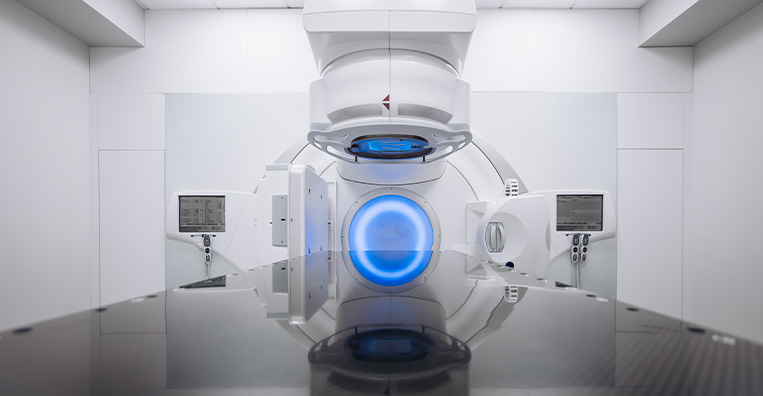
The ZAP-X system moves around the patient and directs narrow radiation beams towards the target from multiple angles.
The treatment machine does not touch the patient, and the radiation cannot be seen or felt.
The patient remains awake and can communicate with the treatment team throughout the session.
Most adults do not require anesthesia, although sedation or anesthesia may be needed for children or patients who cannot remain still.
Treatment may be completed in one session or divided into several sessions, depending on the size, location and type of abnormality.
A session may take approximately 30 to 60 minutes or longer, depending on the treatment plan and number of targets.

After Treatment
Most patients are observed briefly and can return home on the same day.
A hospital stay may be required if the patient’s condition, symptoms or other treatments require additional monitoring.
Normal activities can often be resumed within a short period, depending on how the patient feels and the condition being treated.
Medicines such as corticosteroids may be prescribed or continued to control swelling.
The patient is not radioactive and does not need to avoid contact with other people.
Follow-up appointments are scheduled to monitor symptoms and identify any treatment-related effects.
MRI, CT or other imaging is performed at planned intervals to assess the response.
The effect of radiosurgery develops gradually, and the treated lesion may shrink or remain stable over several months.

Potential Benefits of ZAP-X Radiosurgery
- Non-invasive treatment without a surgical incision
- Precise delivery of radiation to a defined intracranial target
- Reduced radiation exposure to surrounding healthy brain tissue
- Protection of nearby critical structures through carefully planned beam delivery
- Treatment delivered in one or a small number of sessions
- An outpatient procedure for most patients
- Little or no interruption to routine activities for many patients
- The ability to treat certain tumours that are difficult to access through open surgery
- The ability to treat multiple brain targets during the same course, where appropriate
- An additional option for selected residual, recurrent or previously treated lesions

Side Effects of ZAP-X Radiosurgery
- Tiredness or fatigue
- Headache
- Nausea or vomiting
- Temporary dizziness
- Mild scalp tenderness or irritation
- Temporary hair loss in the treated area
- Swelling around the treated lesion, which may temporarily worsen existing symptoms
- Seizures in susceptible patients
- Delayed radiation changes in the treated brain tissue, including radiation necrosis
- Site-specific effects involving vision, hearing, balance, facial sensation, hormone function or other neurological functions
- Rare injury to nearby nerves, blood vessels or healthy brain tissue