

icon
icon
What is CAR T-Cell Therapy?

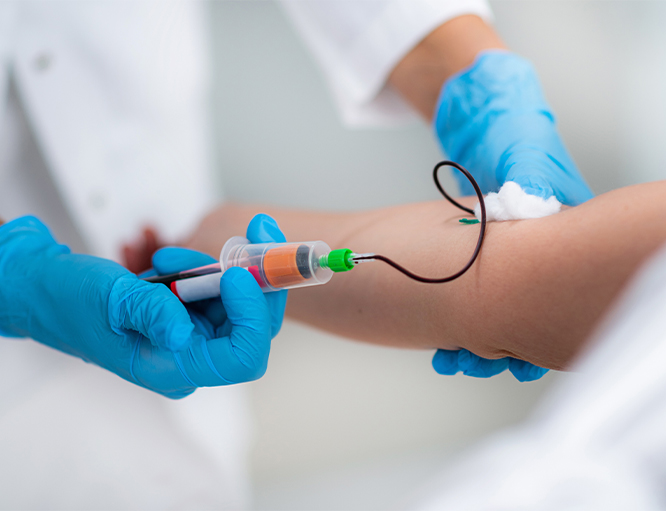
Chimeric antigen receptor T-cell therapy, or CAR T-cell therapy, is a personalised form of immunotherapy used for selected blood cancers. T cells are collected from the patient’s blood and genetically modified in a specialised laboratory so that they can recognise a particular target on cancer cells.

The modified cells are multiplied and returned to the patient through an intravenous infusion. Once infused, CAR T-cells can identify and attack cancer cells carrying the selected target. CAR T-cell therapy is not suitable for every cancer or every patient and requires detailed evaluation by a specialist cellular therapy team.
CAR T-Cell Therapy
How the Treatment Is Performed
CAR T-cell therapy is delivered through several carefully coordinated stages:
work-icon
Patient Assessment
The team confirms the diagnosis, cancer-cell target, previous treatments, disease status and the patient’s fitness for therapy. Tests may assess organ function, infections and neurological health.
work-icon
T-cell Collection
The patient’s T cells are collected from the blood through leukapheresis. The remaining blood components are returned to the patient.
work-icon
Cell Engineering and Expansion
The collected T cells are genetically modified to carry chimeric antigen receptors that recognise a specific target on the cancer cells. The engineered cells are then multiplied to create the required treatment dose.
work-icon
Treatment While Cells Are Prepared
Manufacturing may take several weeks. Some patients may require treatment to control the cancer during this period, depending on disease activity and clinical condition.
work-icon
Lymphodepleting Chemotherapy
A short course of chemotherapy is usually given before the CAR T infusion. This reduces some of the patient’s existing immune cells and helps the infused CAR T-cells expand and function.
work-icon
CAR T-Cell Infusion
The CAR T-cells are administered through an intravenous infusion. The patient is then monitored closely for early treatment-related complications.
work-icon
Monitoring and Recovery
The care team monitors the patient for treatment response, infection, changes in blood counts, cytokine release syndrome and neurological effects. Continued follow-up is required after discharge.

Clinical Indications

Depending on the CAR T product available and its approved use, therapy may be considered for selected patients with:
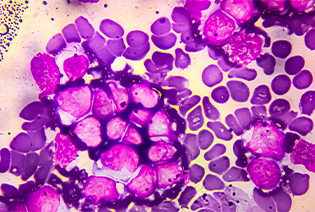
B-cell acute lymphoblastic leukemia
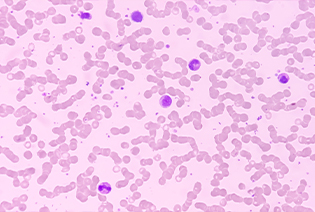
B-cell acute lymphoblastic leukemia

Diffuse large B-cell lymphoma
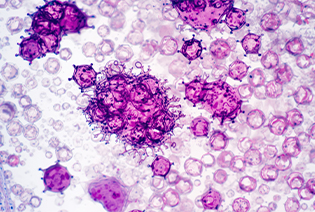
Diffuse large B-cell lymphoma

Certain other B-cell non-Hodgkin lymphomas
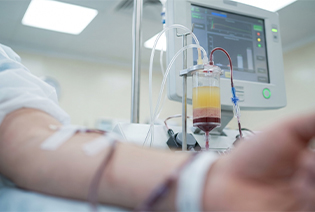
Certain other B-cell non-Hodgkin lymphomas

Multiple myeloma

Multiple myeloma

Blood cancer that has relapsed after previous treatment

Blood cancer that has relapsed after previous treatment

Disease that has not responded adequately to standard treatment

Disease that has not responded adequately to standard treatment

Eligibility depends on the exact disease subtype, target expressed by the cancer cells, previous treatment, organ function and the patient’s overall clinical condition.

Advantages of CAR T-Cell Therapy
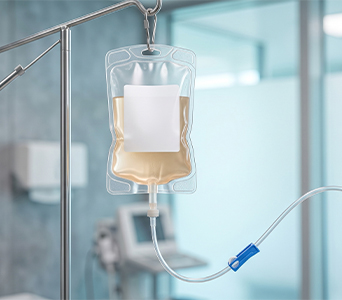
Personalised Cellular Therapy
The treatment is manufactured using the patient’s own immune cells.
Personalised Cellular Therapy
Targeted Cancer Recognition
CAR T-cells are engineered to recognise a specific protein found on the cancer cells.
Targeted Cancer Recognition
Option After Previous Treatments
CAR T-cell therapy may be considered for selected cancers that have returned or stopped responding to other treatments.
Option After Previous Treatments
Potential for Deep Response
Some patients may achieve substantial and prolonged remission, although results vary and the cancer may still recur.
Potential for Deep Response
Single Planned Cell Infusion
The manufactured CAR T-cells product is generally administered as one infusion, followed by intensive monitoring and continued follow-up.
Single Planned Cell Infusion
Continuing Immune Activity
CAR T-cells may remain active in the body after infusion and continue targeting cancer cells.
Continuing Immune Activity

When to Contact Your Care Team
Contact the CAR T care team immediately if the patient develops:
  • Fever or chills
  • Breathing difficulty or chest discomfort
  • Severe dizziness, fainting or symptoms of low blood pressure
  • Confusion, unusual behaviour or difficulty staying awake
  • Difficulty speaking, reading, writing or understanding
  • Severe headache, tremors or loss of coordination
  • Muscle weakness or difficulty walking
  • A seizure
  • Persistent vomiting or diarrhoea
  • Unusual bleeding or bruising
  • Reduced urination or sudden swelling
  • Any sudden change in physical or neurological condition

Patients and caregivers should follow the centre’s emergency instructions and should not wait for the next scheduled appointment if these symptoms occur.
CAR T care team
Frequently Asked Questions
01 How does CAR T-cell therapy work?
icon icon
T cells are collected from the patient and genetically modified to recognise a specific target on the cancer cells. The engineered cells are multiplied and infused back into the patient, where they can identify and attack cells carrying that target.
02 Is CAR T-cell therapy the same as chemotherapy?
icon icon
No. CAR T is a form of cellular immunotherapy made using immune cells. However, patients usually receive a short course of lymphodepleting chemotherapy before the CAR T infusion.
03 Who may be eligible for CAR T-cell therapy?
icon icon
CAR T may be considered for selected patients with certain B-cell leukaemias, lymphomas or multiple myeloma. Eligibility depends on the exact cancer subtype, previous treatment, target expressed by the cancer cells, organ function and overall health.
04 How long does it take to prepare CAR T-cells?
icon icon
Preparing the cells may take several weeks. The exact time varies according to the CAR T product, manufacturing process and clinical circumstances. Some patients may need treatment to control the cancer while the cells are being prepared.
05 Is CAR T-cell therapy given more than once?
icon icon
CAR T is generally administered as one planned cell infusion. However, patients require close monitoring immediately afterwards and continued follow-up to assess response and detect complications.
06 Why is close monitoring necessary after CAR T-cell therapy?
icon icon
Some complications, particularly cytokine release syndrome and neurological toxicity, can develop after the infusion and may worsen rapidly. Early recognition allows the care team to begin appropriate treatment promptly.
image image
Book an Appointment
Please Enter Your Name
Please Enter Your Mobile Number
Please Enter OTP