




Stomach cancer, also called gastric cancer, develops in the lining of the stomach. According to GLOBOCAN 2022 estimates, India recorded approximately 64,600 new stomach cancer cases and 57,700 deaths. The disease is more common among men, with higher incidence reported in parts of southern and north-eastern India.
Early-stage stomach cancer may cause few or non-specific symptoms. Apollo Cancer Centres’ Stomach Cancer Early Detection Program uses risk assessment, Helicobacter pylori testing and upper-GI endoscopy, when appropriate, to identify abnormalities that require treatment or further investigation.
Routine screening is not recommended for everyone. Endoscopy may be considered for people with important risk factors, while those with persistent symptoms require diagnostic evaluation.
Why Screening Is Important
Stomach cancer may initially resemble common digestive problems such as acidity or indigestion. Risk-based evaluation can:
Support earlier detection: Endoscopy can identify suspicious changes before the disease becomes advanced.
Detect precancerous changes: Conditions such as gastric atrophy and intestinal metaplasia may require monitoring.
Identify H. pylori infection: Detecting and treating this bacterial infection can reduce the risk of developing stomach cancer.
Enable biopsy during the same procedure: Tissue samples can be taken from suspicious areas during endoscopy.
Guide individual follow-up: The need for repeat endoscopy can be determined according to the findings and personal risk.
A normal test does not rule out every stomach cancer. New, persistent or worsening digestive symptoms should always be evaluated.


How It Works
During an upper-GI endoscopy, a thin, flexible tube with a camera is gently passed through the mouth and down the throat to examine the esophagus, stomach and first part of the small intestine. Sedation may be given to minimise discomfort. If the doctor sees an ulcer, growth or another abnormal area, small tissue samples can be collected during the procedure and examined by a pathologist to confirm or rule out cancer.
Who Should Be Screened
Your Screening Journey at Apollo Cancer Centres
- Registration
- Risk assessment and consultation
- Complete blood count (CBC) + Helicobacter Pylori stool antigen test
- Specialist review
- Endoscopy (with or without biopsy) if recommended
- Results and next steps

Advantages of Gastric Screening at ACC

Individualised Risk Assessment
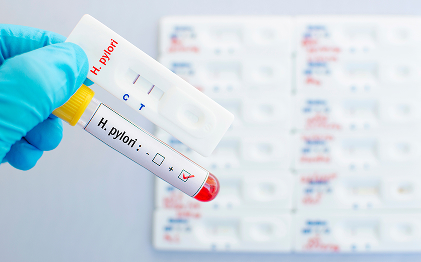
Targeted Testing
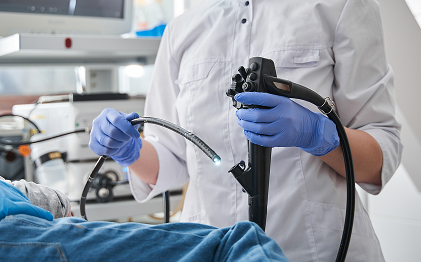
Expert Endoscopy

Coordinated Diagnosis

Comprehensive Cancer Care

