
icon
icon
Overview

Lung cancer is a major cause of cancer-related death in India. According to GLOBOCAN 2022 estimates, the country recorded approximately 81,700 new lung cancer cases and 75,000 deaths from the disease. Because early lung cancer may not cause noticeable symptoms, it is often detected only after it has progressed.

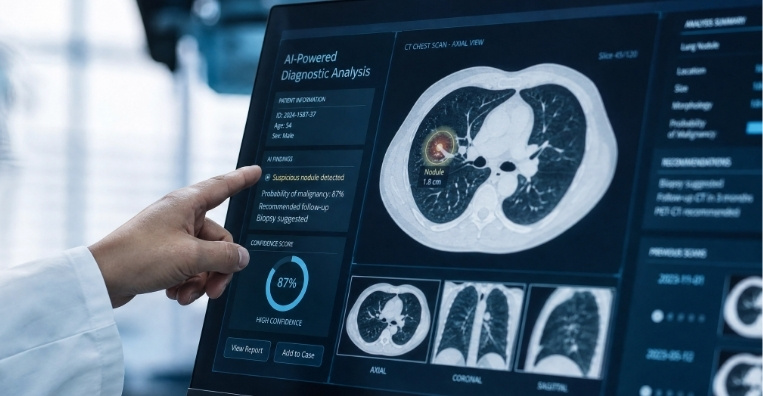
Low-dose computed tomography (LDCT) can detect small lung nodules and other abnormalities before symptoms develop. For people at high risk, regular LDCT screening can help detect lung cancer at an earlier, more treatable stage and reduce lung cancer-related deaths. However, screening is not recommended for everyone. A specialist will assess factors such as age, smoking history and overall health to determine whether it is appropriate.

Book Appointment

Why Screening is Important

Lung cancer screening is intended for people at high risk who do not have symptoms. LDCT offers several potential benefits:

  • Enables earlier detection: LDCT can identify small lung cancers before they cause symptoms or spread to other parts of the body.

  • Supports better treatment outcomes: Lung cancer detected at an earlier stage may be more amenable to potentially curative treatment.

  • May allow less extensive treatment: Some early-stage lung cancers may be treated with surgery or focused radiation therapy, depending on the individual’s condition.

  • Detects small lung nodules: LDCT can reveal abnormalities that may not be visible on a conventional chest X-ray.

  • Provides a basis for comparison: Regular screening allows specialists to monitor lung nodules and identify changes in their size or appearance over time.

LDCT cannot detect every lung cancer and may identify abnormalities that are not cancerous. Anyone with persistent respiratory symptoms should seek medical evaluation rather than wait for a screening appointment.
Why Screening is Important
Screening
How It Works

How It Works

During an LDCT scan, you lie on a table that moves through a CT scanner while detailed images of the lungs are taken. The scan is painless, does not usually require an injection or contrast dye and takes only a few minutes. It uses a lower radiation dose than a standard diagnostic chest CT. A radiologist examines the images for lung nodules or other abnormalities. Depending on the findings, you may be advised to continue annual screening, undergo a repeat scan after a shorter interval or have further investigations.

Who Should Be Screened

smoking

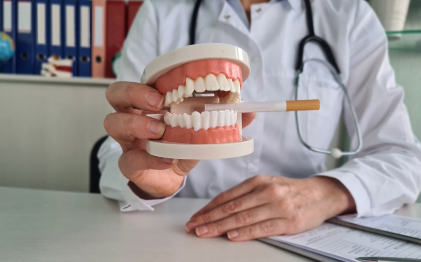
Patients who have chronic smoking habits (>20 packs of cigarettes a year)

smoking

People with a previous history of smoking

esophageal

Previous history of lung, lymphomas, head and neck, or esophageal cancers

smokers

Friends/family of smokers who are exposed to passive smoking

Your Screening Journey at Apollo Cancer Centres

  • Registration
  • Consultation with pulmonologist along with PFT
  • Low-Dose CT
  • Specialist review
  • Results and next steps
Your Screening Journey at Apollo Cancer Centres
Your Screening Journey at Apollo Cancer Centres Lung Cancer

Advantages of Lung Screening at ACC

Specialist Risk Assessment
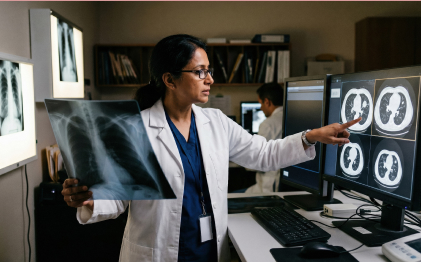
Specialist Risk Assessment

An individual assessment helps determine whether LDCT screening is appropriate based on age, smoking exposure, health status and other risk factors.
Expert Imaging and Interpretation

Expert Imaging and Interpretation

LDCT scans are reviewed by experienced radiologists who assess lung nodules and recommend appropriate follow-up.
Coordinated Follow-up

Coordinated Follow-up

If an abnormality is detected, specialists from pulmonology, radiology, pathology, thoracic surgery and oncology can work together to determine the next steps.
Comprehensive Cancer Care

Comprehensive Cancer Care

If lung cancer is confirmed, patients have access to personalised treatment planning and multidisciplinary cancer care.
Smoking-Cessation Support

Smoking-Cessation Support

Current smokers can receive guidance and support to quit smoking, which remains the most effective way to reduce their future risk of lung cancer.
Frequently Asked Questions
01 What is the #LungLife LDCT Screening Program?
icon icon
The #LungLife program uses low-dose computed tomography to screen for lung cancer in people at high risk who do not have symptoms. The aim is to detect lung cancer at an earlier stage, when treatment may be more effective.
02 How is LDCT different from a standard CT scan?
icon icon
Both tests use X-rays to create detailed cross-sectional images. However, LDCT uses a lower radiation dose and is specifically designed for screening people at high risk. A standard diagnostic CT may provide greater detail and may involve contrast dye when a specific abnormality or symptom is being investigated.
03 What is a pack-year?
icon icon
A pack-year is a measure of smoking exposure. Smoking one pack of 20 cigarettes a day for one year equals one pack-year. For example, smoking one pack a day for 20 years or two packs a day for 10 years equals 20 pack-years.
04 Who may be eligible for screening?
icon icon
LDCT screening is generally considered for adults aged 50 to 80 years who have smoked for at least 20 pack-years and currently smoke or stopped within the past 15 years. Eligibility should be confirmed through an individual clinical assessment.
05 I have never smoked. Should I undergo LDCT screening?
icon icon
Routine LDCT screening is not generally recommended for people who have never smoked because its benefits in this group have not been clearly established. If you have other important risk factors, a specialist can assess whether any evaluation is required.
06 Is a chest X-ray sufficient for lung cancer screening?
icon icon
No. Chest X-rays have not been shown to reduce deaths from lung cancer and may miss small or early-stage tumours. LDCT is the recommended imaging test for eligible high-risk individuals.
07 How often should LDCT screening be performed?
icon icon
Eligible individuals are generally advised to undergo screening once a year. Screening may be stopped when a person no longer meets the eligibility criteria or develops a condition that would make further investigation or treatment unsuitable. Your doctor will recommend an appropriate schedule.
08 Can I undergo screening if I have symptoms?
icon icon
LDCT screening is meant for people without symptoms. Persistent cough, coughing up blood, unexplained weight loss, chest pain, breathlessness or a change in a long-standing cough requires prompt clinical evaluation. Diagnostic testing, rather than routine screening, may be needed.
09 What does an abnormal LDCT result mean?
icon icon
An abnormal result does not necessarily mean that you have lung cancer. Most lung nodules detected during screening are not cancerous. Depending on the size and appearance of the abnormality, your doctor may recommend monitoring it with another scan or carrying out further tests.
10 Are there any risks associated with LDCT screening?
icon icon
LDCT uses a small amount of radiation. Screening may also detect non-cancerous nodules or unrelated findings, which can lead to additional scans, anxiety and, occasionally, invasive tests. There is also a possibility of overdiagnosis. These benefits and limitations should be discussed before screening.
11 Can LDCT screening be performed during pregnancy?
icon icon
Routine LDCT lung cancer screening is generally postponed during pregnancy because it uses ionising radiation. If urgent chest imaging is clinically necessary, the medical and radiology teams will assess the benefits and risks and recommend the safest appropriate investigation.
12 Does a normal LDCT result mean that I cannot develop lung cancer?
icon icon
No. A normal result means that no suspicious abnormality was detected at that time. It does not eliminate the future risk of lung cancer. Eligible individuals should continue screening at the recommended intervals and seek medical attention if symptoms develop.
13 Does screening replace the need to stop smoking?
icon icon
No. Screening does not prevent lung cancer and cannot detect every cancer. Stopping smoking remains the most effective way to reduce the risk of lung cancer and several other serious diseases.