



Esophageal Cancer: The Silent Threat on The Rise in India
An in-depth analysis of risk factors, diagnosis, treatment and recovery.
While further discussion on cancer care in the country is welcome, there is a lot of focus on the more common types like lung and stomach cancer. But an esophagus cancer, which is of considerable concern, has flown under the radar. This type is most common in the north-eastern part of India, where the incidence rates are the highest in the country formerly known.
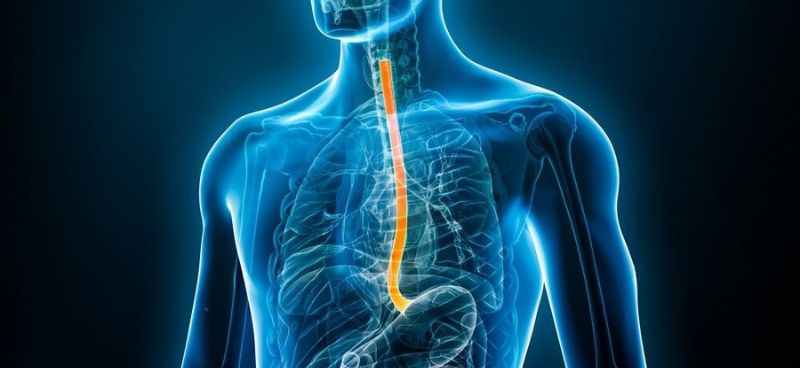
Additionally, almost 6% of the cancer patients in India suffer from esophageal cancer. This form of cancer affects the muscular tube called the esophagus that transports food from throat to stomach. Its high insurance when compared to other types of cancers demonstrates the need for better public awareness and early detection.
Understanding The Disease: Types and Causes
There are two primary forms of esophageal cancer:
Squamous cell carcinoma. This form develops from the flat cells that make up the lining of the Esophagus. This type is mostly associated with the active or bystander forms of tobacco and alcohol consumption.
Adenocarcinoma. It occurs from glandular cells in the lower segment of the Esophagus. It is thought to be the consequence of chronic acid reflux and Barrett’s esophagus
Risk factors include GERD (gastroesophageal reflux disease), smoking, excessive alcohol consumption, poor dietary habits, obesity, and frequent consumption of very hot beverages. Inherited conditions such as tylosis and Plummer-Vinson syndrome, as well as prior radiation therapy to the chest or upper abdomen, may further contribute to one’s susceptibility.
Symptoms Often Emerge Late
One of the primary challenges with esophageal cancer is its asymptomatic nature in early stages, often delaying diagnosis. As the disease progresses, common symptoms may include:
Difficulty swallowing (dysphagia)
Unintentional weight loss
Chest pain or discomfort
Persistent hoarseness or coughing
Indigestion or chronic heartburn
Given these symptoms can overlap with benign gastrointestinal issues, persistent occurrences warrant medical consultation and evaluation.
Diagnosis: A Multi-Modal Approach
Diagnosis typically begins with a clinical evaluation and medical history, followed by investigative procedures such as:
Endoscopy: A flexible tube with a camera provides a direct view of the esophageal lining.
Biopsy: Tissue samples obtained during endoscopy are tested for malignancy.
Imaging tests: CT scans, PET scans, and MRI are utilised to assess tumour size and spread.
Imaging tests: CT scans, PET scans, and MRI are utilised to assess tumour size and spread.
Barium swallow X-ray: Highlights abnormalities in the esophagus using a contrast agent.
Accurate diagnosis and cancer staging are essential to guide treatment planning.
Treatment: Personalised and Evolving
Treatment strategies depend on various factors—cancer type, stage, patient health, and individual preferences. Commonly adopted treatment modalities include:
Surgery
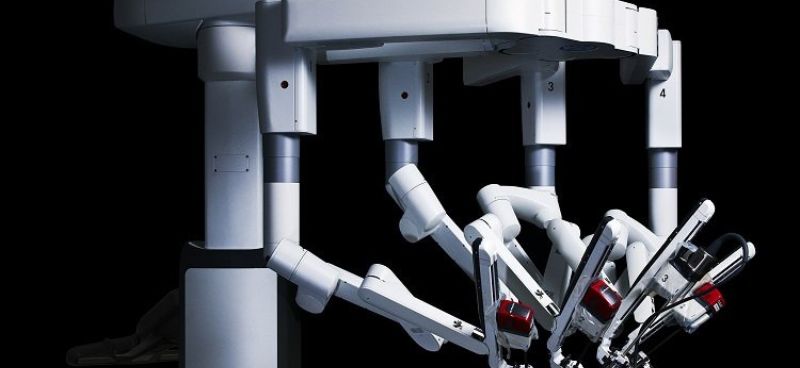
In early-stage cases, surgical removal of the tumour-affected esophageal segment may be performed. Increasingly, minimally invasive and robotic-assisted procedures are preferred for their reduced post-operative discomfort and shorter recovery times. Robotic surgery is now widely regarded as the gold standard, offering precision, reduced blood loss, and superior oncological outcomes, especially in surgeries involving the thorax, abdomen, and neck.
Chemotherapy
Used pre- or post-operatively, chemotherapy is often combined with other modalities to shrink tumours or eliminate residual cancer cells.
Radiation Therapy
High-energy radiation is deployed to destroy cancer cells. Chemo-radiation, combining radiation with chemotherapy, is commonly administered before surgery (neoadjuvant therapy) in locally advanced cases or as palliation in inoperable stages.
Radiation and Chemotherapy can be used as a curative treatment in early stages and inoperable cancers.
Targeted Therapy
These drugs block specific molecular pathways involved in cancer growth. Targeted therapy is usually offered in conjunction with conventional treatments.
Immunotherapy
For select cases, immunotherapy—such as checkpoint inhibitors—can empower the immune system to recognise and attack cancer cells. Particularly, patients with residual disease following chemo-radiation and surgery may benefit significantly from this approach.
Each patient’s treatment plan is customised, and continuous monitoring is essential for evaluating effectiveness and managing side effects.
Life After Treatment: Navigating Recovery and Rehabilitation
Completing treatment marks a critical milestone, yet recovery from esophageal cancer is an ongoing journey. Patients often face physical, nutritional, and emotional challenges post-treatment:
Swallowing difficulties, acid reflux, and nutritional deficiencies may arise following surgery.
Modified diets—comprising soft or liquid foods—are typically recommended initially.
Speech and swallowing therapy help restore normal functions.
Potential complications like strictures, leakage, or infections at the surgical site necessitate regular medical supervision.
Psychosocial Well-Being is Equally Crucial
The psychological impact of cancer cannot be overstated. Anxiety, depression, and fear of recurrence are common among survivors. Access to counselling, support groups, and mental health services plays a key role in long-term healing.
Patients are encouraged to adopt health-promoting behaviours—a balanced diet, regular physical activity, and abstinence from tobacco and alcohol—to enhance recovery and minimise recurrence risk
The Path Forward: Awareness and Timely Action
Rising rates of esophageal cancer in India call for proactive health education, routine screenings, and early medical intervention. When recognised early and treated comprehensively, esophageal cancer can be managed effectively, and patients can return to a fulfilling life.

Dr. Mahadev Potharaju
Senior Consultant-Radiation Oncology