




Intensity-Modulated Radiation Therapy (IMRT) is an advanced form of external beam radiation therapy. It uses computer-controlled linear accelerators to deliver radiation beams of varying intensities from multiple angles around the patient.
By adjusting the strength and shape of each beam, IMRT can closely conform the radiation dose to the three-dimensional shape of the tumour. This helps limit the dose received by nearby healthy tissues and sensitive organs.
IMRT may be used as the main treatment or before or after surgery. It may also be combined with chemotherapy, immunotherapy or other cancer treatments. The treatment is usually divided into multiple sessions delivered over several days or weeks.
- Brain and spinal cord tumours
- Head and neck cancers located close to the salivary glands, spinal cord, brainstem, eyes or other sensitive structures
- Prostate cancer
- Cervical, uterine and other pelvic cancers
- Lung cancer
- Breast cancer in selected patients
- Gastrointestinal cancers, including selected oesophageal, pancreatic, rectal and anal cancers
- Bladder and other genitourinary cancers
- Lymphomas requiring treatment near sensitive organs
- Sarcomas and other tumours with complex or irregular shapes
- Tumours located close to the heart, lungs, kidneys, bowel, nerves or spinal cord
- Cancers requiring treatment of the tumour and nearby lymph nodes
- Selected recurrent tumours, including those in previously irradiated areas where further radiation is considered safe

How IMRT Is Performed
Before Treatment
The radiation oncologist reviews the diagnosis, biopsy findings, scans, previous treatments and overall health.
A planning or simulation CT scan is performed with the patient in the treatment position.
MRI, PET-CT or other imaging may be combined with the planning scan to define the tumour and surrounding organs more clearly.
A customised mask, mould, cushion or other immobilisation device may be prepared to help maintain the same position during every session.
Small reference marks may be placed on the skin or immobilisation device to guide positioning.
Additional preparation, such as maintaining a full bladder, emptying the bowel, fasting or following breathing instructions, may be required depending on the treatment area.
The radiation oncologist defines the tumour, areas at risk and nearby organs that need protection.
The medical physicist and treatment planning team calculate the beam shapes, angles and intensities required to deliver the prescribed dose.
The completed plan undergoes detailed quality and safety checks before treatment begins.

During Treatment
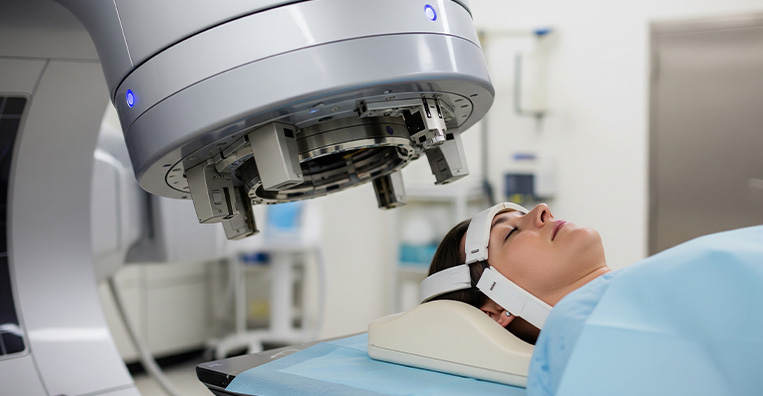
The patient is positioned on the treatment table using the customised supports and reference marks.
Imaging may be performed before or during the session to confirm the patient’s position and the location of the treatment area.
The linear accelerator moves around the patient and delivers radiation from multiple planned angles.
Components within the machine shape each radiation beam and vary its intensity as treatment is delivered.
The machine may come close to the patient but does not touch them.
The radiation cannot be seen or felt, and the treatment itself is painless.
Most appointments take approximately 15 to 30 minutes, although the actual radiation delivery lasts only part of this time.
Treatment is commonly given five days a week over several weeks, but the number and frequency of sessions depend on the cancer and prescribed dose.

After Treatment
Most patients can return home immediately after each session.
The patient is not radioactive and can safely be around other people.
Many patients can continue routine activities or work, depending on the treatment area and how they feel.
Side effects may develop gradually as treatment progresses and may continue temporarily after the final session.
The care team reviews the patient regularly and may recommend medicines, nutritional support, skin care or rehabilitation.
Treatment sessions should be attended according to schedule unless the radiation oncology team advises otherwise.
Follow-up appointments are planned to monitor recovery and evaluate treatment response.
Imaging or other tests are arranged at an appropriate interval because the effects of radiation continue after treatment ends.

Potential Benefits of IMRT
- Radiation delivery that closely conforms to the shape of the tumour
- The ability to vary the dose across different parts of the treatment area
- Reduced radiation exposure to selected nearby healthy tissues and organs
- Treatment of irregularly shaped or complex tumours
- Greater protection of sensitive structures located close to the tumour
- The ability to treat the tumour and nearby areas at risk while managing doses to surrounding organs
- Potential reduction in certain treatment-related side effects compared with less conformal techniques
- The possibility of delivering a higher dose to selected tumours when it can be done safely
- Support for organ-preserving treatment approaches in selected cancers
- Outpatient treatment without a surgical incision

Side Effects of IMRT
- Tiredness or fatigue
- Redness, dryness, itching, tenderness or darkening of the skin in the treated area
- Temporary hair loss limited to the area receiving radiation
- Reduced appetite
- Headache, nausea or neurological symptoms during treatment to the brain
- Dry mouth, mouth soreness, taste changes or difficulty swallowing during treatment to the head and neck
- Cough, breathlessness or chest discomfort during treatment to the chest
- Nausea, abdominal discomfort or changes in digestion during treatment to the abdomen
- Diarrhoea, abdominal cramps or changes in bowel habits during treatment to the abdomen or pelvis
- Increased urinary frequency, urgency or discomfort during treatment to the pelvis or prostate
- Changes in sexual function or fertility following treatment to certain areas
- Changes in blood cell counts when larger areas containing bone marrow are treated
- Delayed effects involving nearby organs, nerves, bones or soft tissues
- A small long-term risk of developing another cancer related to radiation exposure