





Oncoplastic and reconstructive cancer surgery combines cancer removal with techniques that help restore the shape, coverage or function of the treated area. The priority remains complete and safe tumour removal while reducing the physical and functional impact of surgery wherever possible.
Oncoplastic surgery integrates cancer surgery with reconstructive techniques during the same operation. Although the term is most commonly associated with breast cancer, the underlying principles can be applied across cancer surgery.
Reconstructive surgery may be required after cancers affecting the breast, head and neck, skin, soft tissues, limbs, bones, chest, abdomen, pelvis, urinary system or reproductive organs. It may help cover surgical defects, protect important structures and restore functions such as speech, swallowing, movement, continence or sexual function.
Reconstruction may be performed during the cancer operation, after the area has healed, or in several planned stages. At Apollo Cancer Centres, cancer and reconstructive surgeons work together to select an approach based on the expected surgical defect, treatment plan, overall health and the patient’s preferences.
- Are expected to have a significant tissue defect after cancer removal
- Need removal of skin, soft tissue, muscle, bone or part of an organ
- Require coverage of exposed nerves, blood vessels, tendons, bone or other important structures
- May benefit from tissue rearrangement after organ-preserving surgery
- Need reconstruction to restore speech, swallowing, chewing, breathing or facial movement
- Require reconstruction to maintain or restore limb movement, stability or strength
- Need restoration of digestive, urinary, bowel, sexual or reproductive function
- Have changes in body shape, symmetry or appearance after cancer surgery
- Have tissue damage or poor healing related to previous surgery or radiation therapy
- Need correction of a previous reconstruction or treatment-related complication
- Prefer delayed reconstruction after completing other cancer treatments
- Are medically fit for the planned reconstructive procedure and recovery
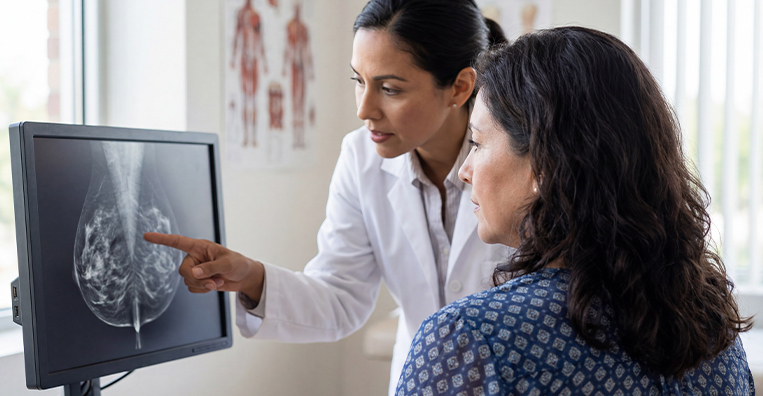
How the Procedure is Performed
Before the Procedure
Before oncoplastic or reconstructive cancer surgery:
The surgical team reviews the biopsy, imaging scans, treatment history, medical conditions and current medications.
The cancer surgeon determines the extent of tissue likely to be removed to achieve appropriate surgical margins.
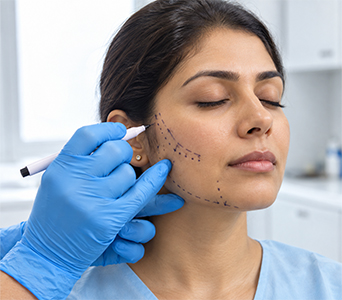
The reconstructive surgeon assesses the expected defect and the structures that may require coverage, repair or replacement.
The team evaluates the function of the area before surgery. Depending on the cancer site, this may include movement, strength, speech, swallowing, breathing, continence, sexual function or another relevant function.
Available reconstructive options are discussed, including local tissue rearrangement, skin or tissue grafts, tissue flaps, microsurgery, bone reconstruction, implants or prostheses.
If tissue may be taken from another part of the body, the proposed donor site is examined and the possible effects on that area are explained.
The case may be reviewed by a multidisciplinary tumour board to coordinate surgery with chemotherapy, immunotherapy or radiation therapy.
The timing of reconstruction is planned around the cancer treatment. Previous or future radiation therapy can affect tissue healing and may influence the reconstructive method.
The patient’s fitness for anesthesia and complex surgery is assessed. Blood tests, heart and lung evaluation or other investigations may be required.
Factors that can affect healing, including smoking, diabetes, circulation, nutrition and previous operations, are assessed and optimised where possible.
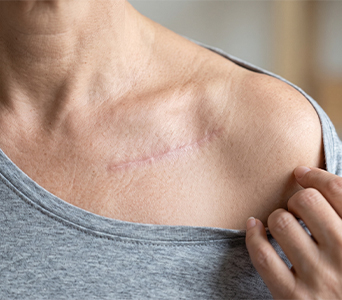
The team discusses expected scars, changes in sensation, recovery time, functional outcomes and the possibility of further procedures.
The patient is informed that the reconstructive plan may change if the cancer is more extensive than expected or if the surgical defect differs from the preoperative estimate.
Instructions are provided about fasting, medications, smoking cessation and hospital admission.

During the Procedure
The procedure is usually performed under general anesthesia, although the type of anesthesia depends on the operation.
The cancer surgeon removes the tumour with an appropriate margin of surrounding tissue.
Nearby lymph nodes or involved structures may also be removed when required for staging or treatment.
In selected cases, a pathologist examines tissue during surgery to assess whether the surgical margins are clear.
Once cancer removal is complete, the reconstructive surgeon assesses the size, depth and location of the defect.
Reconstruction is selected according to the tissue missing and the function that needs to be restored.
The reconstructive techniques may include:
Local Tissue Rearrangement: Nearby skin, fat or other tissue is repositioned to close the defect and restore contour.
Skin Grafting: A thin layer of skin is taken from another part of the body and placed over the surgical area.
Local or Regional Flaps: Skin, fat, muscle or a combination of tissues is moved from a nearby area while remaining attached to its blood supply.
Free-Flap Reconstruction: Tissue is transferred from another part of the body and its blood vessels are reconnected at the reconstruction site using microsurgery.
Bone Reconstruction: Bone grafts, vascularised bone or prosthetic materials may be used to restore skeletal structure.
Nerve, Tendon or Blood-Vessel Repair: These structures may be repaired, grafted or reconstructed where clinically appropriate.
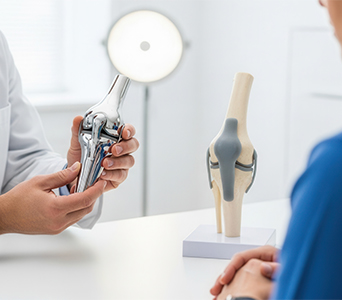
Implant or Prosthetic Reconstruction: An implant, mesh, joint replacement or another prosthetic material may be used to restore shape, stability or function.
Restoration of Organ Continuity: Sections of the digestive, urinary or reproductive tract may be reconnected or reconstructed after tumour removal.
Staged Reconstruction: A temporary reconstruction may be performed first, with further procedures planned after healing or completion of cancer treatment.
Drains, feeding tubes, urinary tubes or a temporary or permanent stoma may be placed when required. All tissue removed during the cancer operation is sent for detailed histopathological examination. The duration of surgery varies widely. Complex microsurgical or multi-structure reconstruction may add several hours to the cancer operation.

After the Procedure
Recovery: Recovery depends on the extent of cancer removal, the reconstructive technique, the area treated and the patient’s overall health.
Hospital Stay: Limited reconstruction may require a short hospital stay, while complex flap, bone or organ reconstruction may require several days or longer.
Reconstruction Monitoring: Transferred tissue is monitored closely for colour, temperature, blood flow and healing. Free flaps may require frequent checks during the first few days.
Pain Management: Pain is managed at both the cancer-surgery site and any area from which tissue was taken.
Wound and Drain Care: The care team monitors the surgical and donor sites for bleeding, fluid collection, infection or wound separation.
Nutrition: Fluids and food are restarted according to the operation. Patients undergoing reconstruction of the mouth, throat or digestive tract may require temporary tube feeding or specialised nutritional support.
Functional Rehabilitation: Physiotherapy, occupational therapy, speech and swallowing therapy, pelvic-floor rehabilitation or another specialised programme may begin during recovery.
Donor-Site Recovery: If tissue has been transferred from another part of the body, rehabilitation may be needed to restore strength and movement at that site.
Histopathology Review: The final report confirms the tumour type, surgical margins, lymph-node findings and other features that guide further treatment.
Additional Cancer Treatment: Chemotherapy, radiation therapy or another treatment may be recommended after healing. The team coordinates the timing to reduce avoidable delays.
Further Reconstructive Procedures: Some patients require additional operations to refine the reconstruction, improve symmetry, replace temporary devices or address complications.
Resuming Routine: Return to work, driving, exercise and normal activities is gradual and depends on both the cancer operation and the reconstruction.
Follow-up Care: Follow-up includes cancer surveillance, assessment of the reconstruction and monitoring of long-term function.

Key Advantages


- Fever, chills or increasing weakness
- Worsening pain that is not controlled by prescribed medication
- Increasing redness, warmth, swelling, discharge or bleeding from an incision
- A reconstructed area that becomes pale, blue, dark, cold, increasingly swollen or unusually painful
- Sudden swelling, firmness or fluid leakage at the surgical or donor site
- Separation of the wound or exposure of an implant or underlying tissue
- New or worsening weakness, numbness or difficulty moving the treated body part
- New difficulty breathing, speaking, swallowing, eating, passing urine or controlling the bowel or bladder
- Persistent vomiting or inability to eat or drink
- Shortness of breath, chest pain or coughing up blood
- New swelling or pain in an arm or leg
- A problem with a drain, feeding tube, urinary tube or stoma
- Any symptom identified by the surgical team as specific to the reconstruction

Continuum of Care
Oncoplastic and reconstructive surgery is part of a coordinated cancer-treatment and rehabilitation pathway. Patients may receive: