




Laboratory services are central to cancer diagnosis, classification, treatment planning, and monitoring. By examining tissue, cells, blood, bone marrow, and other body fluids, laboratory specialists can help determine whether cancer is present, identify its type and biological characteristics, and provide information that may influence treatment.
Read MoreHistopathology involves examining tissue obtained through biopsy or surgery to determine whether cancer is present and identify its type, grade, and other characteristics. The pathologist assesses the organisation and appearance of the cells and surrounding tissue and, in surgical specimens, may also evaluate tumour size, margins, lymph nodes, and other features relevant to staging and treatment planning.
Read More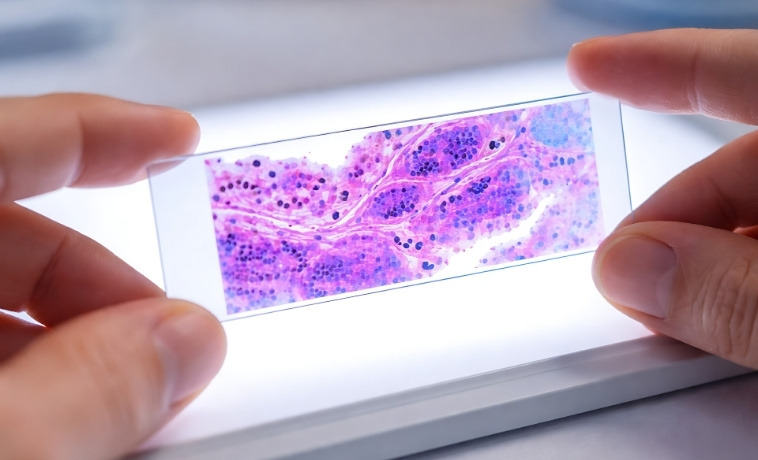
Cytopathology examines individual cells or small groups of cells obtained through fine-needle aspiration, brushings, washings, smears, or body fluids such as urine, sputum, pleural fluid, or cerebrospinal fluid. It may help detect malignant or suspicious cells, investigate abnormalities, and support cancer diagnosis, although a tissue biopsy may still be required when cytology findings are inconclusive or further tumour characterisation is needed.
Read More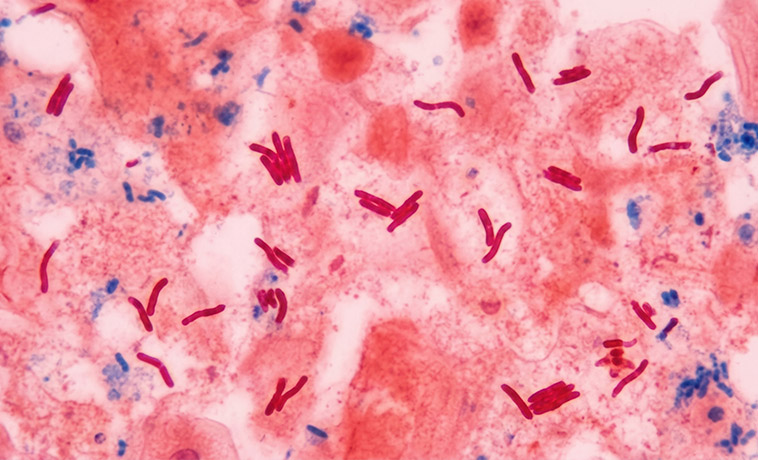
Hematopathology focuses on cancers and disorders affecting the blood, bone marrow, lymph nodes, and lymphatic system, including leukaemias, lymphomas, plasma-cell disorders, and myelodysplastic or myeloproliferative neoplasms. Diagnosis may integrate blood and bone-marrow morphology, tissue examination, flow cytometry, immunohistochemistry, cytogenetic studies, and molecular testing to accurately classify the disease and guide treatment.
Read More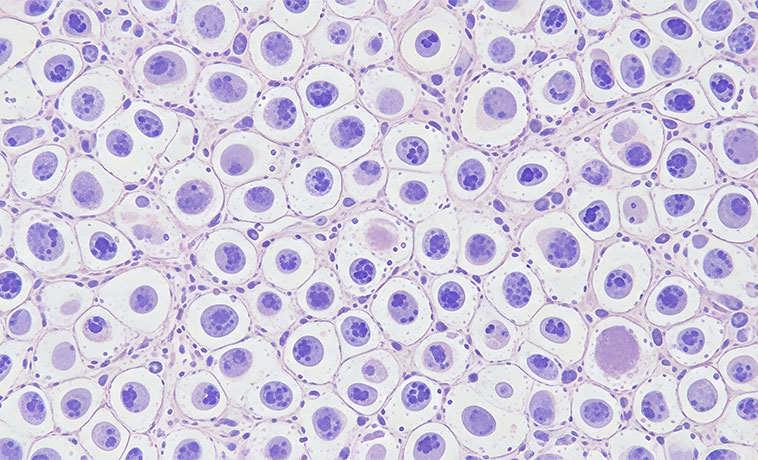
Immunohistochemistry uses specially designed antibodies to detect specific proteins or markers in tissue samples. It can help determine the origin and subtype of a cancer, distinguish between tumours that appear similar under routine microscopy, identify prognostic features, and assess biomarkers that may influence eligibility for hormone therapy, targeted therapy, immunotherapy, or other treatments.
Read More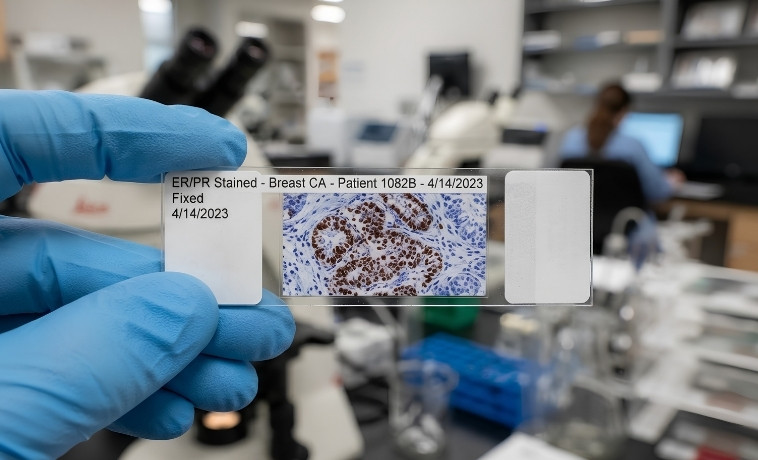
Clinical chemistry measures substances in blood, urine, and other body fluids to assess organ function, general health, and the effects of cancer or its treatment. Tests may include kidney and liver function, electrolytes, glucose, proteins, enzymes, and selected tumour markers. These results can support diagnosis, establish baseline health, guide treatment safety, identify complications, and monitor response, but tumour-marker results are generally not interpreted in isolation.
Read More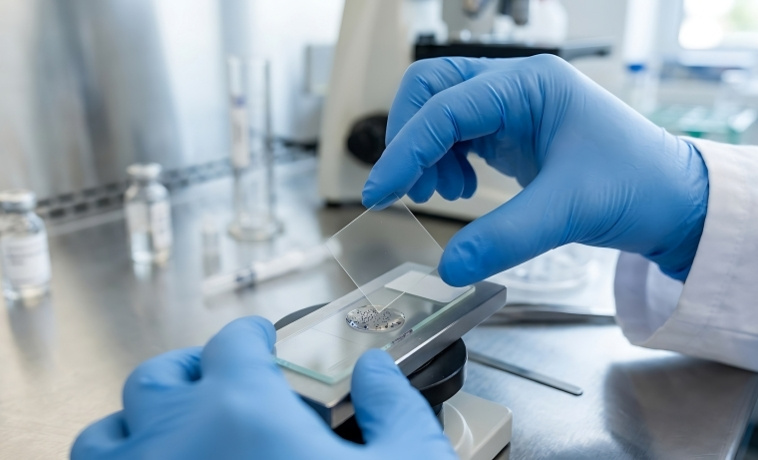
Molecular diagnostics examines genetic, genomic, or other molecular changes in tumour tissue, blood, bone marrow, or body-fluid samples. Techniques such as polymerase chain reaction, fluorescence in situ hybridisation, and next-generation sequencing may identify alterations that refine diagnosis, provide prognostic information, guide targeted treatment or immunotherapy, detect inherited cancer susceptibility when appropriate, and help monitor selected cancers.
Read More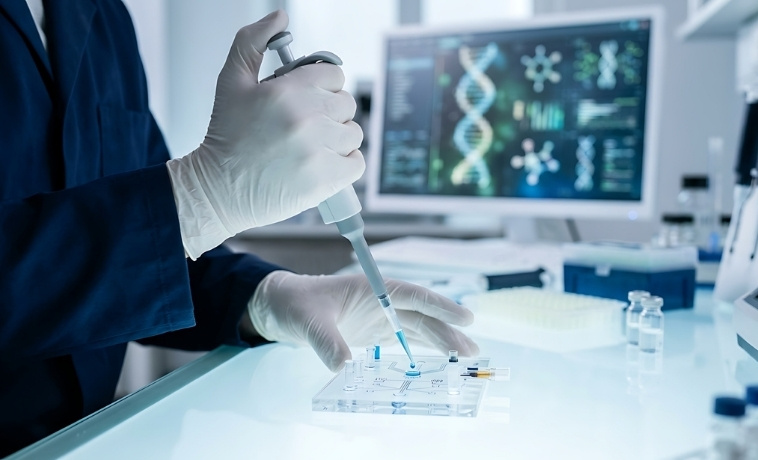
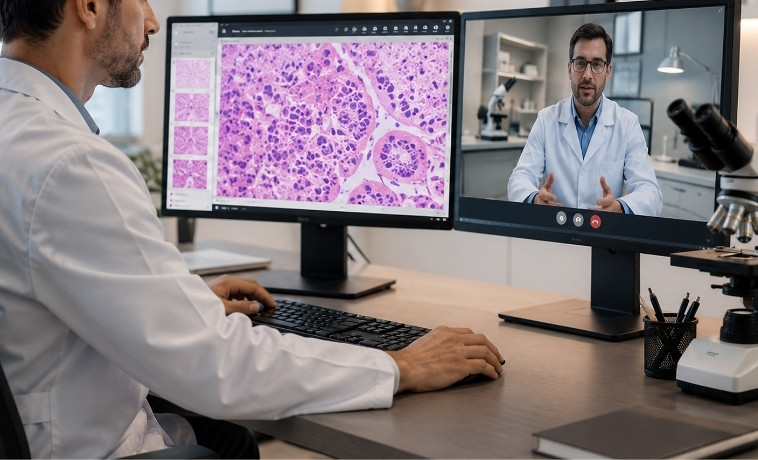
Intraoperative consultation provides the surgical team with rapid pathological assessment while an operation is in progress. Depending on the clinical question, the pathologist may examine a frozen tissue section, cytology preparation, or the specimen macroscopically to help identify the nature of an abnormality, assess selected margins, confirm that representative tissue has been obtained, or guide the next surgical step. The preliminary intraoperative finding is followed by a more detailed examination of permanent sections before the final diagnosis is issued.

How Laboratory Services Fit into Your Overall Care Plan
Laboratory testing may begin when cancer is suspected and continue throughout diagnosis, treatment, and follow-up. Histopathology or cytopathology may establish the diagnosis, while immunohistochemistry, hematopathology, and molecular diagnostics can further classify the disease and identify features relevant to prognosis or treatment.
Clinical chemistry tests help assess general health and organ function before treatment. They may also be repeated during therapy to monitor safety, identify complications, and determine whether treatment adjustments are needed. Selected tumour markers may support monitoring in certain cancers but are not suitable as standalone diagnostic tests for every patient.
During surgery, intraoperative consultation may provide rapid information that helps the surgeon make an immediate decision. However, the definitive diagnosis is generally based on permanent tissue sections and any additional tests required.
The final laboratory interpretation may therefore combine several reports issued at different times. Your treating specialist will explain how the findings relate to the diagnosis, stage, and recommended care plan.