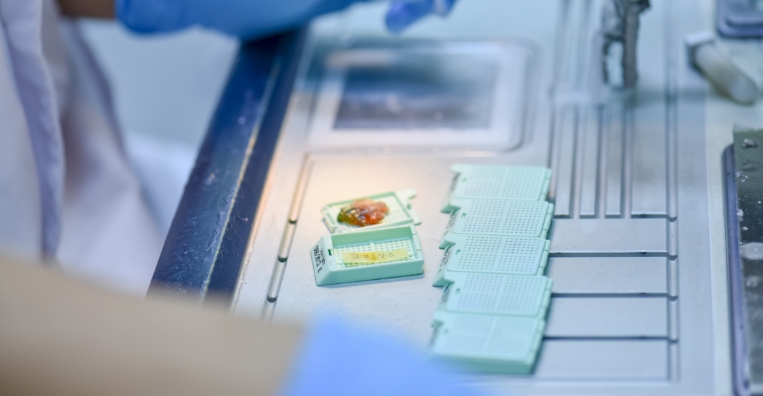




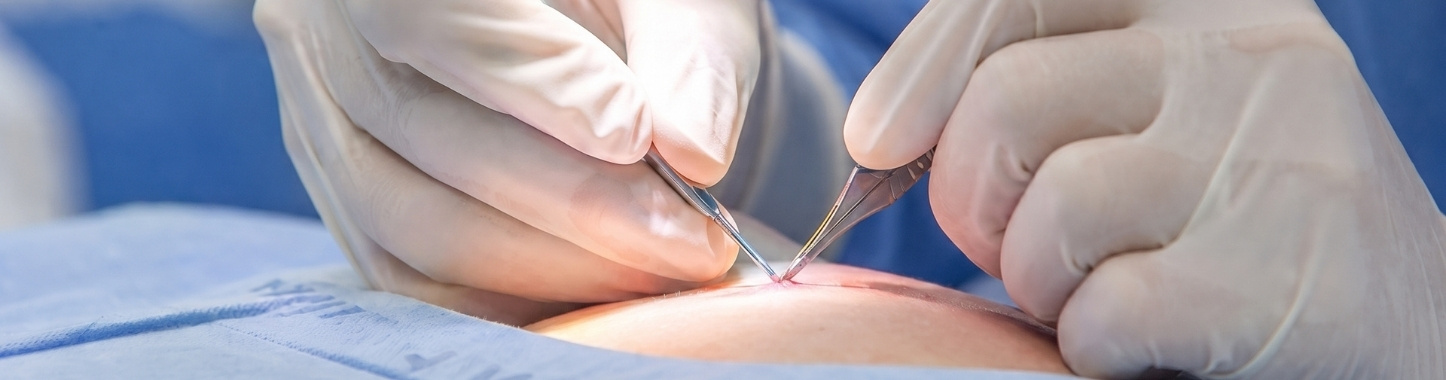
A biopsy is a procedure in which cells, fluid or a small tissue sample are removed from an abnormal area for examination in a laboratory. In most cancers, examining this material under a microscope is the most definitive way to confirm the diagnosis.
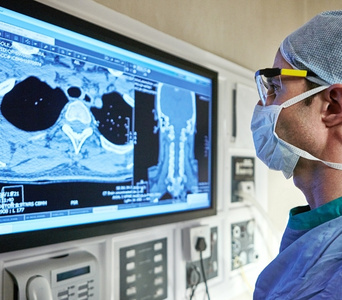
Depending on the location of the abnormality, a biopsy may be performed using a needle, an endoscope or a surgical procedure. Ultrasound, mammography, CT, MRI or other imaging techniques may be used to guide the biopsy instrument accurately to the area being investigated.
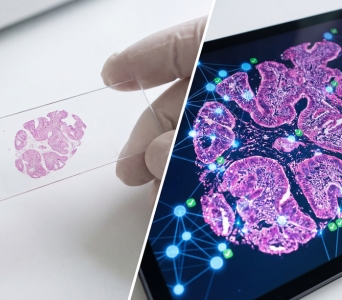
The collected material is examined by a pathologist. Additional tests, including immunohistochemistry or molecular testing, may also be performed when required to identify the cancer subtype and biological features that may influence treatment.
Role in Cancer Care
Types of Biopsy
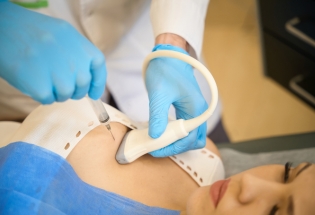
Fine-Needle Aspiration
Fine-needle aspiration, or FNA, uses a thin needle to remove cells or fluid from an abnormal area. It may be used for certain lumps, lymph nodes, thyroid nodules or fluid-filled lesions.
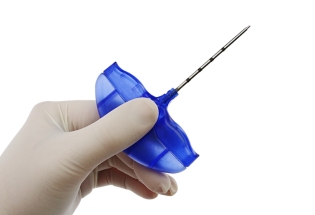
Core-Needle Biopsy
A core-needle biopsy uses a hollow needle to remove small cylinders of tissue. Because it preserves the tissue architecture, it can often provide more information than FNA about the type and characteristics of an abnormality.
Vacuum-Assisted Biopsy
Vacuum-assisted biopsy uses a specialised needle and gentle suction to collect several tissue samples through a single insertion. It is commonly used for selected breast abnormalities, particularly those detected on imaging.
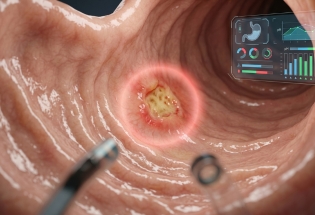
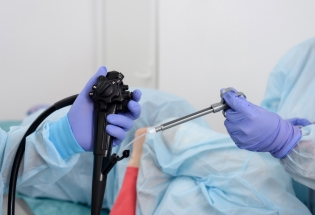
Endoscopic Biopsy
During an endoscopic procedure, small instruments are passed through the endoscope to collect tissue from areas such as the gastrointestinal tract, airways or other accessible structures.
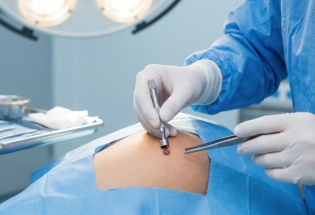
Surgical Biopsy
A surgical biopsy may remove part of an abnormal area, known as an incisional biopsy, or the entire abnormality, known as an excisional biopsy. It may be recommended when a needle or endoscopic biopsy is unsuitable or has not provided a conclusive result.
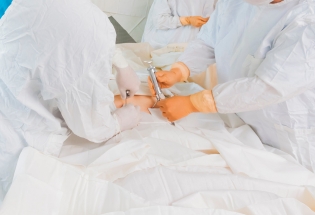
Bone Marrow Biopsy
A bone marrow aspiration and biopsy collect liquid marrow and a small core of bone marrow, usually from the pelvic bone. These samples may be required when investigating leukaemia, lymphoma, multiple myeloma and certain other blood or bone marrow conditions
What To Expect
Before the Procedure
The clinical team will review the patient’s medical history, imaging findings, allergies and current medicines. Patients should inform the team about aspirin, anticoagulants, antiplatelet medicines, supplements and any possibility of pregnancy. These medicines should not be stopped unless specifically advised by the treating doctor.
Instructions about fasting depend on the biopsy site and whether sedation or general anesthesia will be used. Blood tests may be requested to assess blood counts or clotting before certain procedures.

During the Procedure
The biopsy site is cleaned and local anesthesia is commonly used to numb the area. Sedation or general anesthesia may be required for selected endoscopic or surgical biopsies.
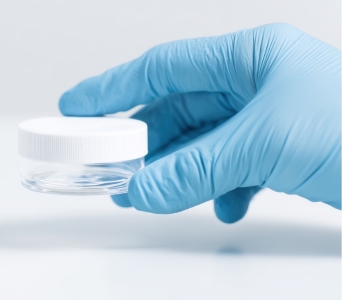
The doctor collects the required cells or tissue, sometimes using ultrasound, mammography, CT, MRI or endoscopic guidance. The samples are labelled and sent to the pathology laboratory for examination.

After the Procedure
Pressure and a dressing may be applied to the biopsy site. Some patients can return home shortly afterwards, while others may require observation depending on the biopsy site, type of anesthesia and overall health.
Mild soreness, bruising or swelling may occur. The care team will provide instructions about wound care, medicines, activity restrictions and when to seek medical attention. Once the pathology report is available, the treating doctor will discuss the findings and any further tests or treatment required.

Potential Benefits
- A biopsy can provide a definitive tissue diagnosis for many suspected cancers.
- It can distinguish cancerous changes from benign or non-cancerous conditions.
- Tissue analysis can help identify the cancer type, grade and selected biomarkers.
- Image guidance can allow accurate sampling of abnormalities that cannot be felt.
- Needle biopsies are generally less invasive than surgical biopsies and usually require a shorter recovery period.
- The results can help the multidisciplinary team develop an appropriate treatment plan.