
icon
icon
Overview

Oral cancer can develop on the lips, tongue, gums, inner lining of the cheeks, floor or roof of the mouth and other parts of the oral cavity. According to GLOBOCAN 2022 data, India recorded approximately 1.44 lakh new lip and oral cavity cancer cases in 2022, accounting for over 10% of all cancers diagnosed in the country. It was the most commonly diagnosed cancer among Indian men.

#OraLife is Apollo Cancer Centres’ oral cancer screening program, designed to identify potentially precancerous changes and early-stage cancers through a simple oral examination. Screening is particularly important for people who use tobacco, areca nut or alcohol, as they face a higher risk of developing oral cancer.

Book Appointment

Why Screening Is Important

Oral cancer and potentially precancerous conditions may initially cause changes that are easy to overlook. A quick oral examination can help identify suspicious areas that require further evaluation.

  • Supports early detection: Screening may identify abnormal changes before they progress or cause significant symptoms.

  • Identifies potentially precancerous conditions: Red or white patches, non-healing ulcers and other suspicious lesions can be assessed promptly.

  • May support less extensive treatment: Cancers detected at an earlier stage may be treated with less extensive procedures and may have better functional and cosmetic outcomes.

  • Helps assess individual risk: Screening provides an opportunity to discuss tobacco, areca nut and alcohol use and other relevant risk factors.

  • Encourages timely follow-up: Suspicious findings can be investigated through biopsy or other tests when required.

Screening cannot diagnose oral cancer. A biopsy is generally required to confirm whether a suspicious area is cancerous.
Why Screening Is Important
For Oral Cancer
For Oral Cancer

How It Works

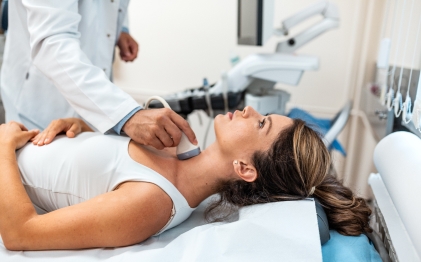
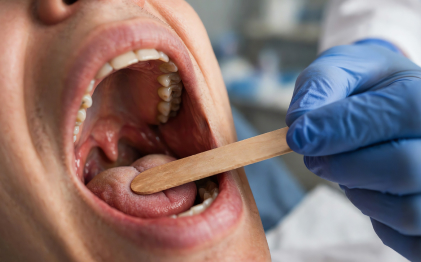
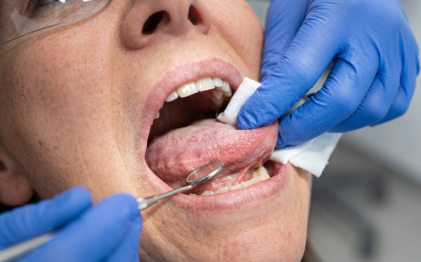
During oral cancer screening, a specialist examines the face, neck, lips, gums, tongue, palate, floor of the mouth, inner cheeks and back of the throat for ulcers, patches, lumps or other abnormalities. The specialist may also gently feel the mouth and neck to check for thickened areas, restricted tissue movement or enlarged lymph nodes. The examination is quick, non-invasive and usually painless.

Who Should Be Screened

Icon

Adults aged 30 years and above as part of routine screening

Icon

People who smoke or use smokeless tobacco

Icon

People who chew gutka, khaini, paan, betel quid, areca nut or similar products

Icon

People who consume alcohol frequently, particularly when combined with tobacco use

Icon

Individuals with a previous oral potentially malignant disorder, such as leukoplakia, erythroplakia or oral submucous fibrosis

Icon

Oral cancer survivors who require ongoing follow-up

Icon

People with a family history of oral or head and neck cancer, following an individual risk assessment

Icon

Anyone with a persistent mouth lesion or another concerning symptom requires diagnostic evaluation and should not wait for routine screening.

Your Screening Journey at Apollo Cancer Centres

  • Registration
  • Consultation with Head & Neck Specialist / ENT Surgeon / Dentist
  • Oral examination
  • Results and next steps
  • Follow-up or additional tests, if recommended
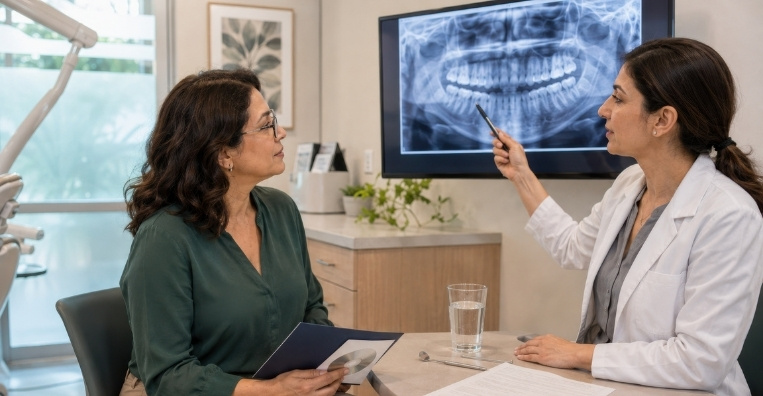
Your Screening Journey at Apollo Cancer Centres
Your Screening Journey at Apollo Cancer Centres Oral Cancer

Advantages of Oral Screening at ACC

Simple and Non-invasive
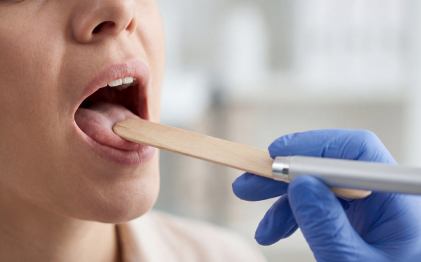
Simple and Non-invasive

Screening involves a visual and physical examination that usually takes only a few minutes and does not require radiation or instruments to be inserted into the body.
Specialist Examination

Specialist Examination

The mouth and neck are examined by a clinician trained to identify potentially precancerous conditions and early signs of oral cancer.
Risk Assessment and Guidance

Risk Assessment and Guidance

Individuals receive guidance on risk factors, warning signs, tobacco cessation and the need for future screening.
Coordinated Follow-up

Coordinated Follow-up

If a suspicious area is detected, further evaluation, including imaging or biopsy, can be arranged as appropriate.
Comprehensive Cancer Care

Comprehensive Cancer Care

If oral cancer is confirmed, patients have access to multidisciplinary treatment planning, rehabilitation and personalised cancer care.
Frequently Asked Questions
01 What is the #OraLife Oral Cancer Screening Program?
icon icon
OraLife is an oral cancer screening initiative from Apollo Cancer Centres. It uses a quick visual and physical examination of the mouth and neck to look for potentially precancerous changes or signs of early oral cancer.
02 Who should undergo oral cancer screening?
icon icon
Screening is particularly important for people aged 30 years and above and those who use tobacco, areca nut or alcohol. People with a previous oral lesion or oral cancer may also require regular examination.
03 What happens during oral cancer screening?
icon icon
A specialist examines the lips, gums, tongue, inner cheeks, palate, floor of the mouth, throat and neck. The clinician also feels for lumps, tissue thickening and enlarged lymph nodes.
04 Is oral cancer screening painful or invasive?
icon icon
No. The examination is non-invasive and usually painless. It does not involve injections, radiation or sedation.
05 How long does the examination take?
icon icon
The oral examination itself generally takes only a few minutes. The overall appointment may take longer because it can include registration, consultation, risk assessment and discussion of the findings.
06 Do I need to fast or follow any special instructions?
icon icon
Fasting is not required. Avoid using tobacco, chewing products, food or strongly coloured drinks immediately before the examination, and remove removable dentures when requested.
07 Does someone need to accompany me?
icon icon
You do not usually need to be accompanied. You may bring someone if you require physical assistance or would prefer emotional support.
08 How often should I undergo screening?
icon icon
The frequency depends on your individual risk and previous findings. People at increased risk may be advised to undergo an oral examination annually or during routine dental or medical visits.
09 What happens if a suspicious area is detected?
icon icon
A suspicious finding does not necessarily mean that you have cancer. The specialist may recommend monitoring the area, additional examination, imaging or a biopsy to establish a diagnosis.
10 Can oral cancer be diagnosed through visual examination alone?
icon icon
No. An oral examination can identify suspicious changes, but a biopsy is generally required to confirm or rule out cancer.
11 Can I undergo screening if I already have a mouth ulcer or another symptom?
icon icon
Yes, but this would be considered diagnostic evaluation rather than routine screening. Any mouth ulcer, red or white patch, lump or other unexplained change lasting more than two weeks should be assessed promptly.
12 Can people who have never used tobacco develop oral cancer?
icon icon
Yes. Tobacco is a major risk factor, but oral cancer can also occur in people who have never used it. Alcohol use, areca nut, increasing age, sun exposure affecting the lip and certain other factors may contribute to risk.
13 Does HPV cause oral cancer?
icon icon
Certain high-risk types of human papillomavirus, particularly HPV-16, are strongly associated with cancers of the oropharynx—the tonsils and base of the tongue. HPV-related oropharyngeal cancers differ from cancers arising in the front of the mouth.
14 How can I reduce my risk of oral cancer?
icon icon
Avoid tobacco and areca nut in every form, limit alcohol, maintain good oral hygiene and attend regular dental examinations. Protecting the lips from prolonged sun exposure may also reduce the risk of lip cancer.
15 Are there any side effects from oral cancer screening?
icon icon
The visual and physical examination has no expected side effects. If a biopsy or another procedure is subsequently required, the specialist will explain its preparation, possible discomfort and associated risks.