



Procedures
Breast cancer is one of the most common cancers affecting women worldwide. While receiving a diagnosis can be overwhelming, significant advances in screening, diagnosis, and treatment have greatly improved survival rates. Detecting breast cancer at an early stage often allows for more treatment options, less extensive procedures, and better outcomes.
Understanding the risk factors, recognizing early warning signs, and undergoing regular screenings can play a vital role in protecting your breast health.
What is Breast Cancer?
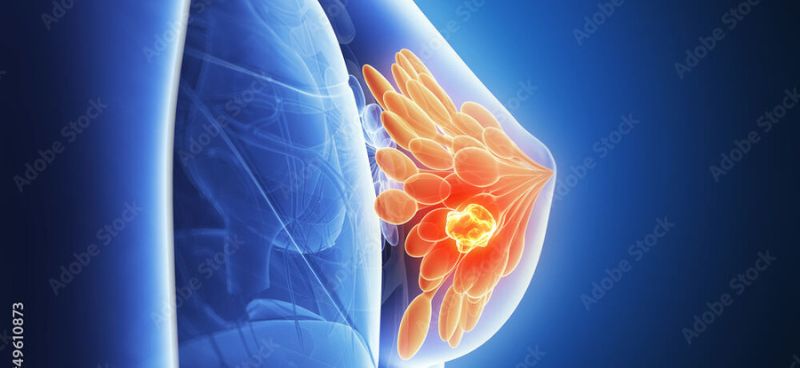
Breast cancer occurs when abnormal cells in the breast begin to grow uncontrollably, forming a tumor. These cancerous cells may remain confined to the breast or spread to nearby lymph nodes and other parts of the body if left untreated.
Although breast cancer is more common in women, men can also develop the disease, making awareness important for everyone.
Common Symptoms of Breast Cancer
Early breast cancer may not always cause noticeable symptoms. However, it's important to consult a doctor if you notice:
A new lump or thickening in the breast or underarm
Changes in breast size or shape
Dimpling or puckering of the skin
Redness or swelling of the breast
Nipple discharge (especially blood-stained)
Inverted nipple or nipple changes
Persistent breast pain or discomfort
Early evaluation of these symptoms can lead to timely diagnosis and treatment.
Risk Factors
While the exact cause of breast cancer isn't always known, several factors can increase the risk.
Non-Modifiable Risk Factors
Increasing age
Family history of breast or ovarian cancer
BRCA1 and BRCA2 gene mutations
Personal history of breast cancer
Dense breast tissue
Lifestyle Risk Factors
Obesity
Smoking
Excessive alcohol consumption
Physical inactivity
Long-term hormone replacement therapy
Unhealthy diet
Having one or more risk factors does not necessarily mean you will develop breast cancer, but understanding them helps guide screening decisions.
Can Breast Cancer Be Prevented?
Although not all breast cancers can be prevented, adopting healthy lifestyle habits may help reduce your risk.
Healthy Lifestyle Tips
Maintain a healthy body weight
Exercise regularly
Eat a balanced diet rich in fruits and vegetables
Avoid smoking
Limit alcohol intake
Breastfeed whenever possible
Attend regular health check-ups and screenings
How Apollo Cancer Centres Can Help
Apollo Cancer Centres offers comprehensive breast cancer care with advanced screening technologies, expert breast oncologists, dedicated breast imaging specialists, and personalized treatment plans.
Our multidisciplinary team provides end-to-end care—from early detection and diagnosis to surgery, chemotherapy, radiation therapy, targeted therapy, and survivorship support—all under one roof.
When Should You See a Doctor?
Don't ignore any unusual changes in your breasts. Consult a healthcare professional if you notice a lump, persistent pain, nipple discharge, or changes in the skin or shape of your breast.
Early consultation can make a significant difference in diagnosis and treatment success.