



Overview of Lung Cancer
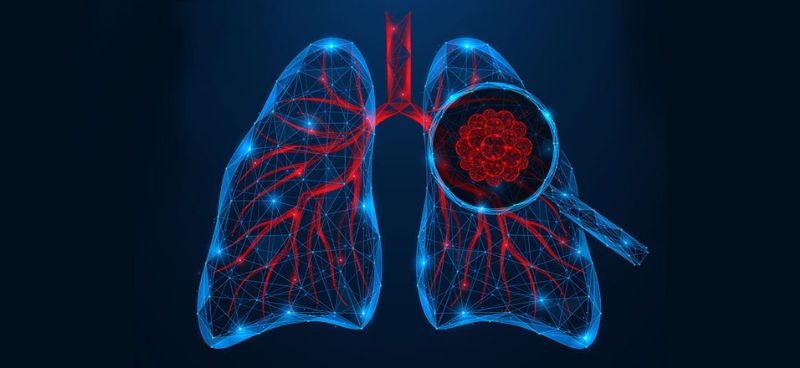
Lung cancer is one of the most prevalent and deadliest cancers worldwide. It originates in the lungs, which are essential organs for breathing and oxygenating the blood. Each year, millions are diagnosed, with many cases linked to smoking, though non-smokers are also at risk. The disease typically develops over several years and is often asymptomatic in its early stages, making it challenging to detect early. Due to its aggressive nature and the critical function of the lungs, early detection and treatment are vital for improving survival rates and quality of life for patients.
Understanding Lung Cancer
Lung cancer begins when abnormal cells in the lungs grow uncontrollably, forming tumors that can interfere with the lung’s function. There are two main types: non-small cell lung cancer (NSCLC), which accounts for about 85% of cases, and small cell lung cancer (SCLC), known for its rapid spread. Risk factors include smoking, exposure to second hand smoke, radon gas, asbestos, and other carcinogens. Genetic factors can also play a role. Symptoms, which often appear in later stages, include persistent cough, chest pain, shortness of breath, and unexplained weight loss. Understanding these risk factors and symptoms can help in early detection and treatment.
Seeking Timely Diagnosis
Timely diagnosis of lung cancer significantly improves the chances of successful treatment. Early-stage lung cancer may not present obvious symptoms, making regular screening crucial, especially for high-risk individuals. Early diagnosis means that the cancer can often be treated before it spreads, which can increase the five-year survival rate. Physicians typically recommend screening for individuals aged 50 to 80 who have a significant smoking history. Screening methods like low-dose computed tomography (LDCT) are preferred because they can detect small nodules or abnormalities in the lungs at an early stage. Patients diagnosed early can undergo surgery, targeted therapy, or other treatments, improving their prognosis and quality of life.
Guide on Lung Cancer Screening
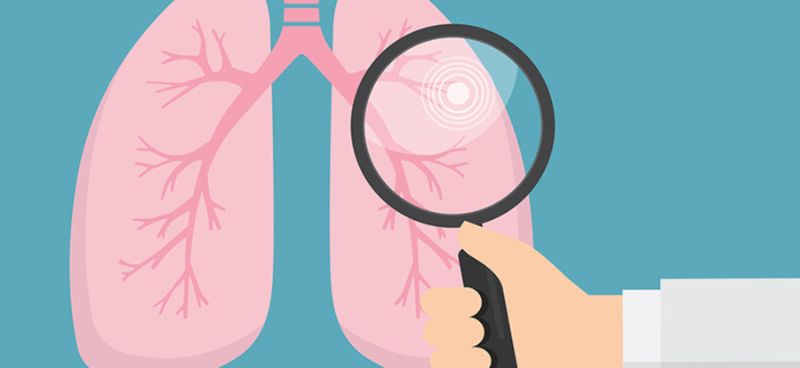
Lung cancer screening aims to detect cancer before symptoms appear, thus allowing for earlier, more effective treatment. The most common and recommended screening test is the low-dose computed tomography (LDCT) scan. LDCT uses a lower dose of radiation compared to a standard chest CT scan and is effective in detecting small tumors.
Who Should Get Screened?
Screening is primarily recommended for individuals at high risk of lung cancer:
Age: 50 to 80 years old.
Occupation: People working industrial areas like petroleum factory, aromatic chemical factory, dye factory, radium factory, etc. should get screened periodically.
Smoking History: Current or former smokers with a 20 pack-year smoking history (one pack a day for 20 years or two packs a day for 10 years).
Quit Smoking: Those who have quit within the past 15 years.
Screening Tests Available
Low-Dose Computed Tomography (LDCT): This is the most effective screening tool. It takes detailed images of the lungs using low levels of radiation. Studies have shown that LDCT can reduce lung cancer mortality by detecting cancers at an earlier, more treatable stage.
Sputum Cytology: Examining mucus (sputum) coughed up from the lungs can sometimes reveal the presence of lung cancer cells. However, this test is less sensitive than LDCT.
Chest X-ray: This is less effective than LDCT for lung cancer screening and is not generally recommended for this purpose.
The LDCT scan is the gold standard for lung cancer screening due to its high sensitivity and ability to detect early-stage lung cancers. Regular screening is usually conducted annually for those at high risk, but it should be performed in conjunction with smoking cessation programs and other preventive measures to maximize health benefits.
Conclusion
Lung cancer remains a major health concern, but early detection through screening can save lives. Understanding the risks, recognizing the early signs, and adhering to recommended screening guidelines are crucial steps in combating this disease. High-risk individuals should consult their healthcare providers about the benefits of regular LDCT screening. By staying informed and proactive, we can improve outcomes and reduce the impact of lung cancer on our communities.