



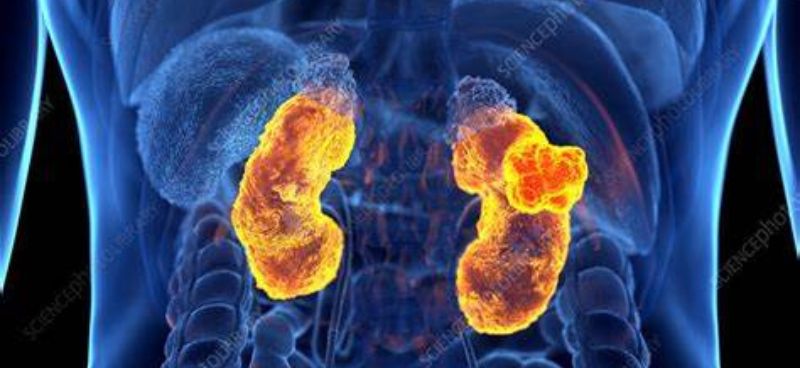
Kidney cancer is a condition that affects thousands of people worldwide.
While the diagnosis of cancer can be daunting, early detection and appropriate treatment can significantly improve outcomes. In this blog, we will address some of the most commonly asked questions about kidney cancer, including its causes, symptoms, diagnosis, and treatment options.
Does Cancer in One Kidney Affect the Other?
Not necessarily. In most cases, kidney cancer affects only one kidney. However, in rare instances, cancer can develop in both kidneys either simultaneously or at
different times.
Are All Kidney Tumors Cancerous?
No. While a majority of kidney tumors—around 90%—turn out to be cancerous, there are also benign (non-cancerous) tumors that do not spread. Proper medical
evaluation, including imaging and biopsy, can help distinguish between the two.
What is the Most Common Type of Kidney Cancer?
The most common type of kidney cancer is Clear Cell Renal Cell Carcinoma (RCC). Other types include Papillary RCC, Chromophobe RCC, and some rarer subtypes.
Identifying the exact type helps doctors decide on the best course of treatment.
Is Kidney Cancer Always Fatal?
No, not all kidney cancers are life-threatening. The majority of cases involve low- grade cancers, which have a lower chance of spreading or returning after treatment.
However, a small percentage of kidney cancers can be aggressive, requiring intensive treatment and close monitoring.
How is Kidney Cancer Diagnosed?
Kidney cancer is often detected during routine health checkups. An ultrasound scan may reveal an abnormal growth, which is further investigated using CT scans or
MRI. These advanced imaging techniques help doctors determine the likelihood of cancer and assess the extent of the disease.
What Should You Do if You Suspect a Kidney Tumor?
If a kidney tumor is suspected, the next step is to consult a specialist, such as a Uro- Oncologist. They will review your medical history, analyze scans, and discuss
treatment options tailored to your condition. Seeking expert advice at an early stage increases the chances of successful treatment.
What Are the Treatment Options for Kidney Tumors?
The primary treatment for kidney cancer is surgery, which can be performed in two ways:
Partial Nephrectomy (Nephron-Sparing Surgery): Only the cancerous part of the kidney is removed, preserving as much of the healthy kidney as possible.
Radical Nephrectomy: The entire kidney is removed when the tumor is large or has spread beyond the kidney.
The choice between these surgeries depends on the tumor size, location, and overall kidney function.
Are Kidney Cancer Surgeries Painful?
With advancements in medical technology, most kidney cancer surgeries are now performed using robotic-assisted techniques. This involves small incisions (4-5 tiny
holes in the abdomen), leading to faster recovery, minimal pain, and shorter hospital stays. Many patients undergoing robotic surgery are discharged the next day.
For patients requiring open surgery, the hospital stay may extend to 3-5 days, but pain management techniques ensure a comfortable recovery.
What Happens After Surgery?
Following surgery, doctors analyze the removed tissue to confirm the presence of cancer and determine its aggressiveness. Based on this report, patients are advised
on follow-up care, which may include:
Regular blood tests and imaging scans for low-risk patients.
Additional treatments like immunotherapy or Tyrosine Kinase Inhibitors (TKIs) for aggressive kidney cancers.
Will the Patient Require Dialysis After Kidney Removal?
In most cases, dialysis is not needed. Humans have two kidneys, and even if one is removed, the remaining kidney usually functions well enough to compensate. Only a
very small percentage of patients experience kidney failure requiring dialysis.
Can Kidney Cancer Be Prevented?
While there is no guaranteed way to prevent kidney cancer, certain lifestyle choices can reduce the risk:
Regular Health Checkups: Early detection through ultrasound and scans increases the chances of a cure.
Avoid Smoking: Smoking is a known risk factor for kidney cancer. Quitting can lower your risk significantly.
Maintain a Healthy Lifestyle: A balanced diet, regular exercise, and proper hydration contribute to overall kidney health.
Conclusion
Kidney cancer, like many other cancers, is best treated when detected early. With modern advancements in diagnosis and surgery, most patients can recover fully and
lead a normal life. If you experience any unusual symptoms or have risk factors for kidney cancer, consult a specialist and undergo routine screenings.
Early detection saves lives. Stay informed, stay healthy!
#KidneyCancerAwareness #EarlyDetection #HealthyKidneys

Dr. Ragavan N
Senior Consultant-Uro Oncology