



Overview of Kidney Cancer
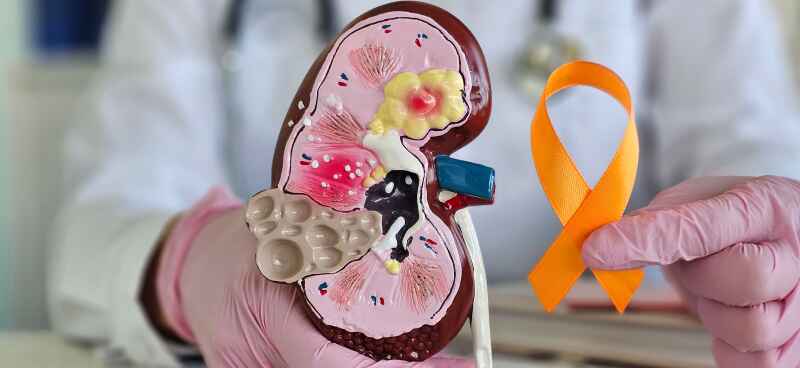
Kidney cancer, also known as renal cancer, is a type of cancer that begins in the kidneys, the bean- shaped organs responsible for filtering waste from the blood and producing urine. In India, the incidence of kidney cancer is increasing, with renal cell carcinoma (RCC) being the most common type, accounting for 85% of all kidney tumors . Studies indicate that the distribution of renal tumors spans various age groups, emphasizing the need for awareness across different demographics. Early detection is crucial, as it significantly improves the chances of successful treatment and survival.
Understanding Kidney Cancer
Kidney cancer primarily originates in two types of cells: renal cell carcinoma (RCC), which constitutes about 85% of cases, and transitional cell carcinoma (TCC), which begins in the renal pelvis. RCC starts in the lining of the renal tubules, where waste products are filtered, while TCC starts in the lining of
the renal pelvis, the area where urine collects before moving to the bladder. Other, less common types of kidney cancer include Wilms tumor, which predominantly affects children, and renal sarcoma. Understanding the specific type of kidney cancer is essential for determining the appropriate treatment approach and prognosis.
Early Warning Signs and Symptoms of Kidney Cancer
Recognizing the early warning signs of kidney cancer can be challenging, as symptoms often do not appear until the disease is in an advanced stage. However, being aware of potential indicators can aid in early detection and prompt medical evaluation. Common early symptoms include:
Blood in the Urine (Haematuria): One of the most common signs, haematuria may appear intermittently and might not always be visible to the naked eye.
Persistent Pain in the Back or Side: Pain that doesn't go away and is not related to an injury can be a sign of kidney cancer.
Unexplained Weight Loss: Sudden and unexplained weight loss can be a symptom of various cancers, including kidney cancer.
Fatigue: Persistent tiredness that is not alleviated by rest can indicate an underlying health issue.
Fever: Recurring fevers not associated with infections could be a sign of kidney cancer.
Anemia: A decrease in red blood cells can cause symptoms such as fatigue and pallor, potentially
indicating kidney cancer.
Seeking Timely Diagnosis
Timely diagnosis of kidney cancer is critical to improve treatment outcomes. Early-stage kidney cancer can often be treated more effectively, while advanced-stage kidney cancer may require more aggressive treatment approaches. Several diagnostic tests can aid in the early detection of kidney
cancer:
Imaging Tests: Ultrasound, CT scans, and MRIs are commonly used to detect abnormalities in the kidneys. These imaging tests can help identify the presence of tumors and determine their size and location.
Urine Tests: These tests can detect blood or other substances in the urine that may indicate kidney cancer.
Blood Tests: Blood tests can reveal signs of anemia and other abnormalities that might suggest kidney cancer.
Biopsy: If imaging tests and other examinations indicate the possibility of kidney cancer, a biopsy may be performed. This involves taking a small tissue sample from the kidney for laboratory analysis to confirm the presence of cancer cells.
Early diagnosis not only enhances the chances of successful treatment but also allows for a broader range of treatment options, which can include surgery, targeted therapy, immunotherapy, and radiation therapy. By seeking medical advice promptly when symptoms arise, patients can significantly impact their prognosis and quality of life.
Conclusion
Awareness of the early warning signs of kidney cancer and the importance of timely diagnosis cannot be overstated. By staying informed and vigilant, individuals can take proactive steps toward detecting kidney cancer at an early stage, thereby improving treatment outcomes and survival rates. If you or a loved one experience any of the symptoms mentioned, it is essential to consult a healthcare professional promptly. Early detection can make a life-saving difference.