



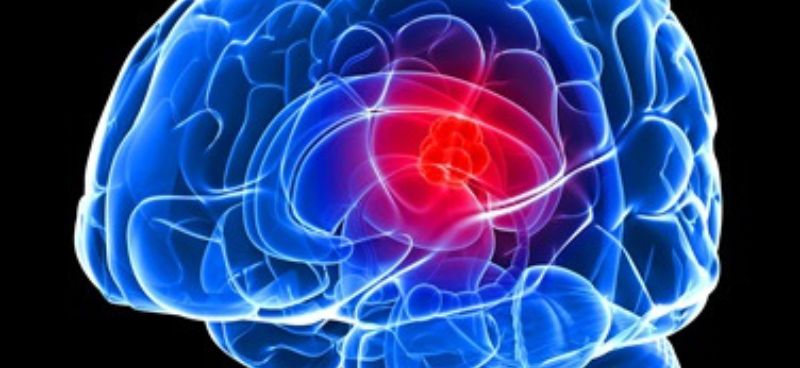
Overview of Glioblastoma
Glioblastoma is an aggressive form of brain cancer that arises from glial cells, which are supportive cells in the brain. Known for its rapid growth and resistance to treatment, glioblastoma is one of the most challenging cancers to manage. Despite advances in medical science, the prognosis for glioblastoma patients remains poor, with average survival rates ranging from 12 to 15 months’ post-diagnosis. Understanding the early warning signs and symptoms of glioblastoma is crucial for seeking timely medical intervention, which can significantly improve outcomes and quality of life.
Understanding Glioblastoma
Glioblastoma, also known as glioblastoma multiforme (GBM), is classified as a Grade IV astrocytoma by the World Health Organization (WHO), indicating its high malignancy. This cancer typically originates in the cerebral hemispheres but can occur in any part of the brain or spinal cord. The exact cause of glioblastoma is unknown, but risk factors include genetic mutations, exposure to ionizing radiation, and certain inherited conditions. Glioblastomas are highly invasive, infiltrating surrounding brain tissue, which complicates surgical removal and contributes to frequent recurrence even after aggressive treatment.
Early Warning Signs and Symptoms of Glioblastoma
Recognizing the early warning signs of glioblastoma is essential for prompt diagnosis and treatment. Common symptoms include persistent headaches, often more severe in the morning or when lying down, due to increased intracranial pressure. Patients may also experience seizures, which can manifest as sudden, uncontrolled electrical activity in the brain, leading to convulsions or altered consciousness. Cognitive and personality changes are another hallmark, with patients showing memory loss, difficulty concentrating, or altered behaviour. Additionally, motor function impairments such as weakness on one side of the body, difficulty with balance and coordination, and vision problems like blurred vision or double vision can occur. Nausea and vomiting, especially when associated with headache, are also common symptoms due to increased pressure in the brain. It's important to note that these symptoms can vary significantly depending on the tumor's location and size, making it vital to seek medical attention if these signs are present.
Seeking Timely Diagnosis
Timely diagnosis of glioblastoma is critical for improving patient outcomes. Early detection allows for more effective intervention and management of symptoms. Diagnostic evaluation typically begins with a thorough medical history and neurological examination to assess cognitive function, motor skills, and reflexes. Imaging tests such as Magnetic Resonance Imaging (MRI) and Computed Tomography (CT) scans are essential tools in identifying the presence and extent of brain tumors. MRI, in particular, provides detailed images of brain structures and is highly effective in detecting glioblastoma. In some cases, a biopsy may be necessary to confirm the diagnosis. This involves surgically removing a small tissue sample from the tumor and examining it under a microscope for cancerous cells. Advanced diagnostic techniques, such as molecular testing, can further classify the tumor based on genetic mutations, which can guide targeted therapy options. Given the aggressive nature of glioblastoma, early and accurate diagnosis is crucial for initiating treatment strategies that may include surgery, radiation therapy, and chemotherapy.
Conclusion
Glioblastoma is a formidable opponent in the realm of oncology, but early recognition of its symptoms and timely diagnosis can make a significant difference in patient outcomes. Persistent headaches, seizures, cognitive changes, and motor impairments should not be ignored, and immediate medical evaluation is essential. With advances in imaging and molecular diagnostics, there is hope for more effective treatment options and improved survival rates. Awareness and education about the early warning signs of glioblastoma are vital steps in the fight against this aggressive brain cancer.