



Overview of Gallbladder Cancer (GBC)
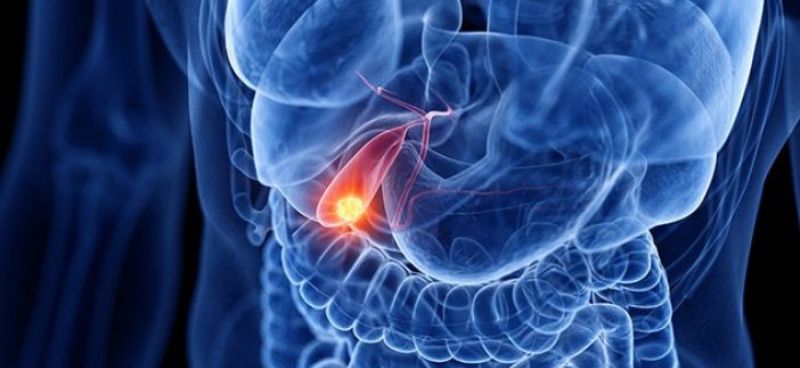
Gallbladder cancer is a rare but aggressive form of cancer constituting 1.7 % of all the cancers globally. Gallbladder cancer is the 22 nd most incident but 17 th deadliest cancer worldwide. The gallbladder is a 2-inch organ located beneath the liver, stores bile produced by the liver to aid in digestion. India is a high incidence area for GBC and contributes to 10% of global GBC burden. Within India, the incidence is high in North, North East and Eastern India. Disease presents with very advanced stages as early stage GBC are generally asymptomatic. Only 1 in 5 GBC is detected at an early stage. Most commonly identified after a cholecystectomy performed for Gall bladder stones. Understanding the early warning signs and seeking timely diagnosis can significantly improve the
prognosis and treatment outcomes for individuals affected by this disease.
Understanding Gallbladder Cancer
Gallbladder cancer typically develops from the innermost mucosal layer of the gallbladder and usually spreads through the walls of the organ to nearby structures such as the liver, bile ducts, and lymph nodes and to distant organs. The exact cause of gallbladder cancer is not well understood. But
there are a lot of risk factors which have a strong association in development of GBC like Age, Gender, Ethnicity, chronic bacterial infection like H pylori and Salmonella typhi, consumption of contaminated water with heavy metals and pollutants from agricultural and industrial effluents. In Women multiparty, obesity and use of oestrogen replacement therapies have also bee attributed to higher risk of developing GBC. Cigarette smoking and use of firewood cooking also increased the risk of GBC. Early detection is challenging because symptoms often resemble those of less serious gallbladder conditions like Dyspepsia, indigestion and abdominal bloating mimicking symptoms of gallbladder stones. Therefore, it is crucial to be aware of the early warning signs and seek medical attention if symptoms persist or worsen.
Early Warning Signs and Symptoms of Gallbladder Cancer
Recognizing the early warning signs of gallbladder cancer can be life-saving. Common symptoms
include:
Vague upper Abdominal Pain: Persistent pain in the upper right section of the abdomen is a common early symptom. This pain might be mistaken for gallstones or other digestive issues.
Dyspepsia and indigestion -These symptoms can occur due to the obstruction of the bile ducts or the effects of cancer on the digestive system.
Post prandial fullness, Nausea and Vomiting: upper abdominal fullness after intake of meal
Unexplained Weight Loss: Significant weight loss without trying is a red flag for many types of cancer, including gallbladder cancer.
Fatigue and generalised weakness- fatigue in association with above mentioned symptoms may indicate an underlying condition like gallbladder cancer.
Changes in Stool or Urine Color: Light-coloured stools and dark urine can result from bile duct blockage.
Early symptoms are often subtle and may overlap with other less serious conditions, making it imperative to consult a healthcare provider for persistent or unexplained symptoms.
However, persistence of these upper abdominal symptoms in any individual aged more than 50-60 years beyond two weeks
Seeking Timely Diagnosis
Timely diagnosis of gallbladder cancer is crucial for effective treatment and improved survival rates. Several diagnostic tests can help identify the presence of gallbladder cancer:
Ultrasound: This is often the first imaging test used to examine the gallbladder. It can reveal tumors, gallstones, and other abnormalities. Presence of Gall bladder polyps, gall bladder abnormalities and porcelain gallbladder can be easily diagnosed on ultrasound – have high risk for having an early GBC. These findings should mandate investigation with high resolution imaging
CT Scan and MRI: These imaging techniques provide detailed pictures of the gallbladder and surrounding tissues, helping to detect the extent of the cancer.
Endoscopic Ultrasound (EUS): This procedure combines endoscopy and ultrasound to get closer images of the gallbladder and nearby structures.
Blood Tests: Tests for liver function and tumor markers (to be performed only when patients have features S/I GBC picked up on imaging) can provide additional information about the presence of cancer.
The importance of early diagnosis cannot be overstated. When detected at an early stage, gallbladder cancer is more likely to be confined to the gallbladder and potentially curable through surgical removal following oncological principles requiring radical surgery unlike simple cholecystectomy. Advanced stages require more complex treatments in term of planning the appropriate surgery including chemotherapy and radiation, which can have varying degrees of
success.
Conclusion
Gallbladder cancer, though rare, is a serious condition that demands attention to early warning signs and symptoms. Awareness and timely medical intervention can significantly impact the outcome for individuals with this disease. If you experience persistent abdominal pain, jaundice, or other concerning symptoms, seek medical advice promptly. Early detection through appropriate diagnostic tests is key to improving survival rates and enhancing the quality of life for those affected by gallbladder cancer. Stay informed, stay vigilant, and prioritize your health.