



Overview of Breast Cancers in India
Breast cancer is the most common cancer among women in India, accounting for approximately 14% of all cancers in women. The incidence of breast cancer is rising steadily, with more cases being diagnosed in urban areas than in rural regions. Factors contributing to this increase include lifestyle changes, delayed childbearing, and improved diagnostic capabilities. Despite advancements in medical technology and awareness campaigns, breast cancer remains a significant public health challenge due to late-stage diagnosis and limited access to healthcare facilities in certain areas. Early detection and timely treatment are crucial to improving survival rates and quality of life for affected individuals.
Understanding Breast Cancers
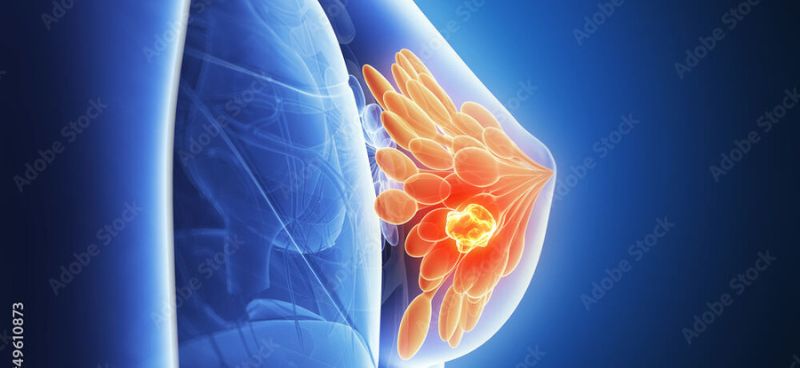
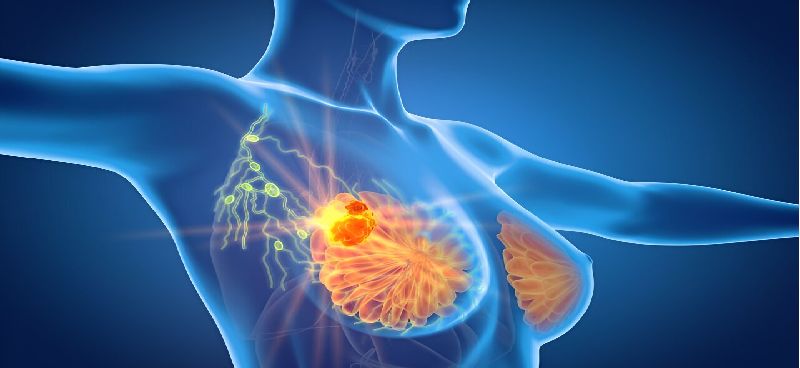
Breast cancer originates in the cells of the breast, typically in the ducts or lobules. It can be categorized into several types, including ductal carcinoma in situ (DCIS), invasive ductal carcinoma (IDC), and invasive lobular carcinoma (ILC). Breast cancer can spread to other parts of the body through the lymphatic system and bloodstream, making early detection vital. Risk factors for breast cancer include age, family history, genetic mutations (such as BRCA1 and BRCA2), hormonal influences, and lifestyle factors like obesity and alcohol consumption. Understanding these risk factors can help in taking preventive measures and seeking timely medical advice.
Early Warning Signs and Symptoms of Breast Cancers
Recognizing the early warning signs of breast cancer can significantly increase the chances of successful treatment. Key symptoms to watch for include:
Lump or Mass: The most common sign is a new lump or mass in the breast or underarm.
Change in Breast Shape or Size: Any noticeable change in the size, shape, or appearance of the breast should be evaluated by a healthcare professional.
Nipple Discharge: Unusual discharge from the nipple, particularly if it is bloody, warrants immediate medical attention.
Skin Changes: Dimpling, puckering, redness, or scaling of the breast skin can be indicators of breast cancer.
Nipple Changes: Inversion of the nipple or pain in the nipple area can be early signs of breast cancer.
Pain: While not all breast pain is indicative of cancer, persistent pain in one area of the breast should be investigated.
Seeking Timely Diagnosis
Early diagnosis of breast cancer is critical for successful treatment outcomes. Women are encouraged to perform regular self-examinations and report any abnormalities to their healthcare provider promptly. Clinical breast exams and mammograms are essential tools for early detection.
Importance of Early Diagnosis: Detecting breast cancer at an early stage increases the likelihood of effective treatment and reduces the risk of the cancer spreading. Early-stage breast cancer often requires less aggressive treatment and has a higher survival rate.
Diagnostic Tests Available:
Mammography: A mammogram is an X-ray of the breast and is the most common screening tool. It can detect tumors that are too small to be felt.
Ultrasound: This imaging test uses sound waves to create pictures of the breast tissue and can help distinguish between solid masses and fluid-filled cysts.
Magnetic Resonance Imaging (MRI): An MRI provides detailed images of the breast and is used for women with a high risk of breast cancer or ambiguous mammogram results.
Biopsy: If an abnormality is detected, a biopsy may be performed to remove a small sample of breast tissue for laboratory analysis to confirm the presence of cancer cells.
Genetic Testing: For women with a family history of breast cancer, genetic testing for BRCA1 and BRCA2 mutations can provide valuable information about their risk.
Conclusion
Breast cancer awareness and early detection are crucial in the fight against this disease. Understanding the symptoms and seeking timely medical advice can lead to early diagnosis and more effective treatment options. Regular screenings and being vigilant about changes in breast health can save lives. Encouraging open conversations and education about breast cancer can empower individuals to take proactive steps towards their health and well-being. Together, we can make significant strides in reducing the impact of breast cancer in India and beyond.