



In recent years, the importance of diet in the prevention of various cancers has become a focal point
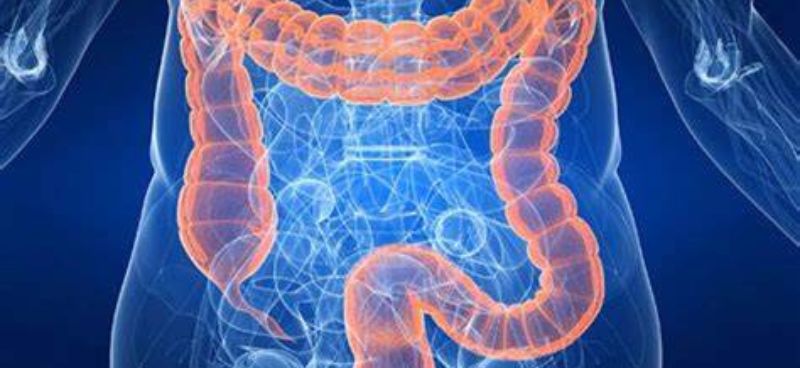
for health experts. Among them, colorectal cancer—affecting the colon or rectum—has emerged as one of the most common types, particularly in developed nations. But while factors like genetics and lifestyle habits play a role in the development of cancer, research has shown that a balanced and nutritious diet can significantly reduce the risk of colorectal cancer. In this article, we explore how the right foods can support colon health and lower the risk of cancer.
The Link Between Diet and Colon Health
Studies have consistently shown that dietary habits significantly influence the risk of developing colorectal cancer. A diet high in processed foods, red meats, and low in fiber has been linked to an increased risk of colon cancer. On the other hand, consuming a diet rich in fiber, fruits, vegetables, and other nutrient-dense foods can help protect the colon and promote overall digestive health. By understanding which foods benefit your colon, you can make proactive dietary changes to reduce
cancer risks.
High-Fiber Foods: The Colon’s Best Friend
Fiber is one of the most important nutrients for colon health. It helps regulate bowel movements, maintain a healthy gut microbiome, and reduce inflammation—factors that contribute to lower cancer risk. There are two types of fiber: soluble and insoluble, both of which play distinct roles in digestive health.
Soluble fiber can be found in foods like oats, beans, lentils, apples, and citrus fruits. It helps absorb water and forms a gel-like substance in the gut, which slows digestion and promotes satiety. This is beneficial for maintaining a healthy weight—another factor in reducing cancer risk.
Insoluble fiber, present in whole grains, leafy vegetables, and nuts, adds bulk to stool and helps food pass more quickly through the digestive tract. This can prevent constipation and ensure regular bowel movements, which are essential for reducing cancer risks.
Experts recommend a daily intake of at least 25-30 grams of fiber for adults. Consuming a variety of high-fiber foods daily can lower the risk of colorectal cancer by improving bowel health and supporting the body’s natural detoxification processes.
Fruits and Vegetables: A Rich Source of Antioxidants
Fruits and vegetables are packed with essential vitamins, minerals, and antioxidants that protect the body against oxidative stress—one of the key contributors to cancer development. Antioxidants like vitamin C, vitamin E, and beta-carotene help neutralize free radicals, harmful molecules that
can damage cells and lead to cancer.
Dark leafy greens such as spinach, kale, and broccoli are particularly beneficial for colon health. They are high in fiber, vitamins, and phytonutrients, which have anti-inflammatory properties that may reduce the risk of colon cancer. Cruciferous vegetables like broccoli, cabbage, and cauliflower contain compounds called glucosinolates, which have been shown to have cancer-fighting properties.
Additionally, fruits such as berries, citrus fruits, and apples are rich in antioxidants and fiber, making them an excellent choice for supporting colon health. Regularly incorporating a colorful variety of fruits and vegetables into your meals can provide a broad range of nutrients essential for cancer prevention.
Healthy Fats: The Role of Omega-3 Fatty Acids
The type of fats you consume also plays a role in colon health. Healthy fats, particularly omega-3 fatty acids, found in fatty fish like salmon, walnuts, and flaxseeds, have anti-inflammatory properties that can protect against colorectal cancer. Research suggests that omega-3s may reduce the growth of cancer cells in the colon and help regulate genes involved in inflammation and cell growth.
On the other hand, trans fats and saturated fats, commonly found in processed and fried foods, can contribute to inflammation and the development of cancer. By opting for healthier fat sources like olive oil, avocados, and nuts, you can reduce inflammation and support overall colon health.
The Protective Power of Whole Grains
Whole grains like brown rice, quinoa, barley, and whole-wheat bread are excellent sources of fiber, B vitamins, and minerals such as magnesium and selenium, all of which contribute to colon health. Whole grains are also associated with a reduced risk of colorectal cancer due to their high fiber content, which helps regulate bowel function and reduce the time carcinogens are in contact with the colon lining.
Switching from refined grains to whole grains can make a significant difference in reducing cancer risk. Studies have found that people who consume more whole grains have a lower risk of developing colorectal cancer compared to those who consume refined grains like white rice and white bread.
Foods to Limit: Processed Meats and Red Meats
While many foods can support colon health, certain foods should be limited to reduce the risk of cancer. Processed meats such as sausages, bacon, and hot dogs, and red meats like beef and lamb have been linked to an increased risk of colorectal cancer. This is due to compounds formed during the processing and cooking of these meats, such as nitrites and heterocyclic amines, which can damage the DNA in colon cells and increase cancer risk.
Experts recommend limiting red and processed meat consumption and replacing them with healthier protein sources, such as fish, legumes, and plant-based proteins.
Conclusion: A Healthy Diet for a Healthy Colon
A balanced diet rich in fiber, fruits, vegetables, healthy fats, and whole grains is essential for maintaining colon health and reducing the risk of colorectal cancer. By making informed choices about the foods you eat, you can actively contribute to your long-term health and reduce your cancer risk.
It is important to remember that while diet is a key factor, a healthy lifestyle that includes regular physical activity, limited alcohol consumption, and avoiding smoking also plays a critical role in reducing the risk of colorectal cancer. By prioritizing these changes, you can significantly improve your colon health and overall well-being.

Dr Rathna Devi R
Senior Consultant-Radiation Oncology