



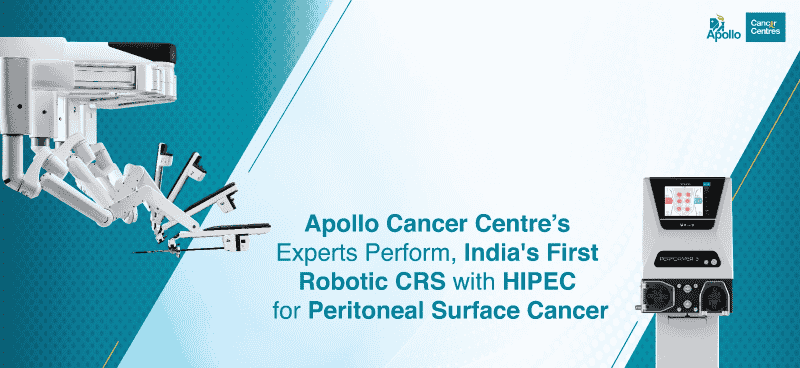
In a remarkable medical milestone, experts at Apollo Cancer Centres have successfully performed India’s first Robotic Cytoreductive Surgery (CRS) with Hyperthermic Intraperitoneal Chemotherapy(HIPEC) for peritoneal surface cancer. This innovative approach marks a significant advancement in the treatment of peritoneal malignancies, offering patients a minimally invasive and effective treatment option.
What is Robotic Cytoreductive Surgery (Robotic CRS) and how it is different and preferred as compare to Cytoreductive Surgery
Cytoreductive Surgery (CRS) is a surgical procedure aimed at removing visible tumors and affected tissues from the abdominal cavity in patients with peritoneal surface cancer. This surgery is traditionally performed using open techniques, which involve a large incision and manual manipulation of tissues by the surgeon.
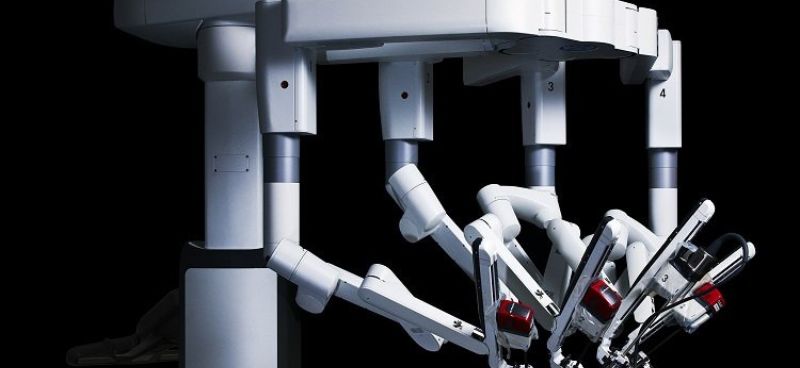
Robotic Cytoreductive Surgery (Robotic CRS) is a minimally invasive approach that uses robotic-assisted technology to perform the surgery. Instead of a large incision, several small incisions are made in the abdomen, through which robotic arms equipped with surgical instruments are inserted. The surgeon controls these instruments from a console, allowing for precise and controlled movements. Robotic CRS offers several advantages over traditional open surgery, providing patients with a potentially safer, more effective, and less invasive treatment option.
Understanding Peritoneal Surface Cancer and Robotic CRS with HIPEC
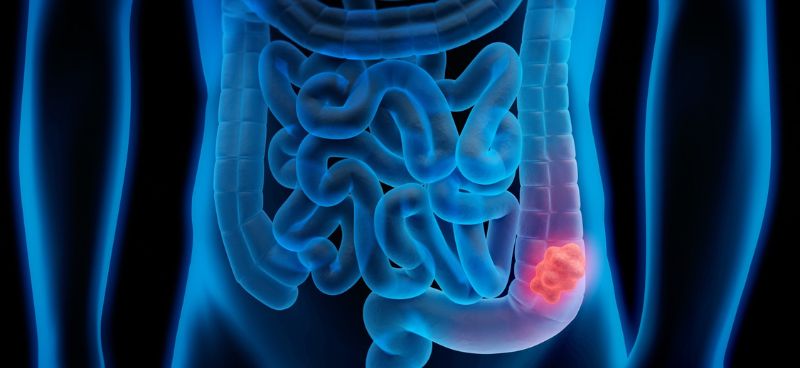
Peritoneal malignancies are cancers that have spread to the peritoneum, the lining of the abdomen. Robotic CRS with HIPEC is a specialized procedure that combines robotic-assisted surgery with heated chemotherapy to target cancerous tissues in the abdominal cavity.
Procedure Overview
Robotic Surgical Access: Surgeons make small incisions in the abdomen to create access for the robotic instruments and camera.
Exploration and Tumor Assessment: The robotic camera is used to explore the abdominal cavity and assess the distribution, size, and extent of tumors.
Cytoreductive Surgery (CRS): Surgeons identify and remove all visible tumors and affected tissues, aiming for optimal cytoreduction.
Hyperthermic Intraperitoneal Chemotherapy (HIPEC): Heated chemotherapy drugs are circulated throughout the abdomen to kill remaining cancer cells after surgery.
Surgical Site Closure & Recovery: Port sites and incisions are closed, and the patient is monitored closely during recovery.
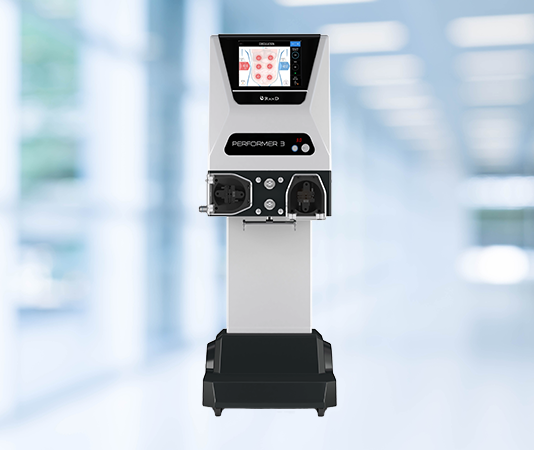
Advantages of Robotic CRS with HIPEC
Equivalent Survival Rates: Rates: Studies have shown that survival rates with RCRS with HIPEC is equivalent to open surgery
Reduced Complications: The minimally invasive nature of robotic surgery results in fewer post-operative complications and less pain.
Faster Recovery: Patients experience shorter hospital stays and faster recovery times compared to traditional open surgery.
Enhanced Surgical Precision: Robotic technology allows for meticulous dissection and tissue preservation, minimizing trauma and blood loss.
Improved Quality of Life: Patients benefit from a faster return of bowel function, decreased wound infection rates, and less postoperative adhesions.
Improved Cosmesis: Smaller incisions and less tissue damage can result in improved cosmetic outcomes for patients, with smaller scars and a more aesthetically pleasing appearance after surgery.
Reduced Pain and Discomfort: The minimally invasive nature of robotic CRS can result in reduced post-operative pain and discomfort for patients compared to traditional open surgery.
Patient Story:
Age and Presentation: A 40-year-old female patient presented with bilateral ovarian masses.
Diagnosis: Diagnosed as high-grade pseudomyxoma peritonei (PMP) of the appendix.
Treatment: Underwent robotic CRS with right hemicolectomy and HIPEC. Achieved complete cytoreduction (CC-0) of the mucinous implants.
Outcome: Had a smooth postoperative course and was discharged on postoperative day 6 and is back to normal life again
India’s first successful Robotic CRS with HIPEC, led byDr. Ajit Pai and his pioneering team, represents a significant advancement in surgical oncology. This groundbreaking procedure offers new hope to patients with peritoneal surface malignancies, providing them with a minimally invasive and effective treatment option.
Additional read –
What is Robotic Onco Surgery
All about HIPEC treatment
Know our expert –Dr Ajit Pai